Cat Touch Zone Simulator
Select a body area to see the likely reaction and the scientific meaning behind it.
Click a zone above to analyze the cat's response!
Quick Takeaways
- The belly is a cat's most vulnerable spot, making them protective of it.
- Exposing the belly is usually a sign of trust, not a request for petting.
- Overstimulation can turn a relaxing rub into a "hunting" response.
- Respecting "no-go" zones strengthens your bond with your pet.
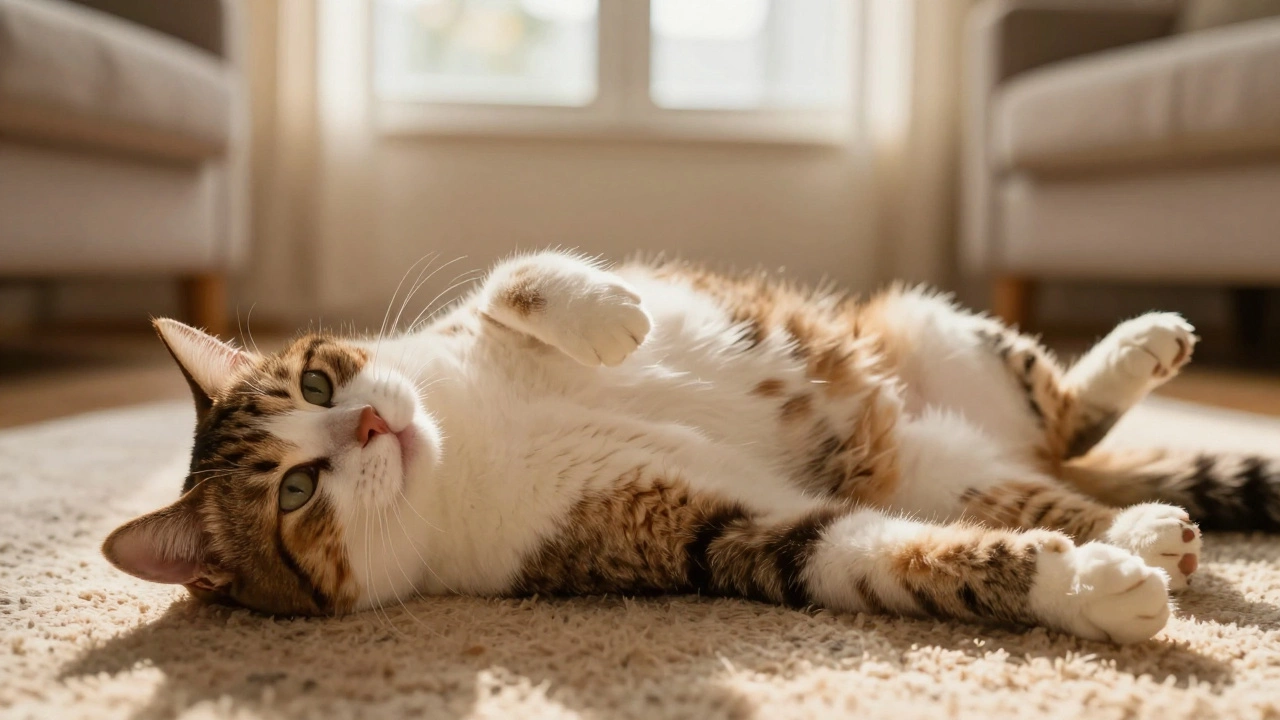
You know the scene: your cat flops over, stretches out, and presents that fluffy white tummy. It looks like a giant, inviting invitation for a rub. You reach down, give one little scratch, and suddenly you're fighting for your life. Your hand is trapped in a four-paw deadlock, and you're getting scratched. Why does a gesture of trust turn into a combat sport in three seconds flat?
To understand this, we have to look at the cat belly rubs is a common point of conflict between humans and felines because it clashes with basic survival instincts. In the wild, a cat's abdomen is where all the vital organs live, and it's the least protected part of their body. Unlike their back or neck, there are no ribs or thick muscle layers to shield them from a predator's bite. When a cat shows you their belly, they aren't asking for a massage; they're telling you, "I trust you enough to expose my weakest point."
The Trust Paradox
Most pet owners mistake a belly-up position for a request for attention. In reality, it's a social signal. When a Domestic Cat is a small carnivorous mammal kept as a pet rolls over, they are displaying a high level of comfort. They feel safe enough in your presence to let their guard down. However, the moment you touch that area, you've shifted from being a trusted companion to a potential threat. This triggers a reflexive defensive response.
Think of it like a "trust test." They trust you to be there, but they don't necessarily trust you to touch their internal organs. When you pet the belly, you're essentially poking the most sensitive part of their anatomy. For many cats, this feels invasive rather than affectionate.
The Danger of Overstimulation
Even if your cat actually enjoys a few seconds of belly rubs, they can hit a wall very quickly. This is known as Hyperesthesia is a condition where the skin becomes hypersensitive to touch, often leading to sudden agitation, though in healthy cats, it's simply called overstimulation. Cats have an incredibly dense network of nerves in their skin. What feels like a light touch to us can feel like an electric shock or an overwhelming sensation to them.
This is why the "mood swing" happens so fast. One second they're purring, and the next they're biting. Their brain switches from "relaxation mode" to "defense mode" because the sensory input has become too intense. This isn't malice; it's a neurological overload.
| Body Area | Typical Reaction | Meaning |
|---|---|---|
| Chin and Cheeks | Leaning in, purring | Safe, social, and loved |
| Base of Tail | High energy, sometimes "zoomies" | High stimulation; can lead to biting |
| The Belly | Initial trust, then sudden attack | Vulnerability / Defensive reflex |
| Paws | Withdrawing the limb | General dislike or sensitivity |
The Hunting Instinct and the 'Belly Trap'
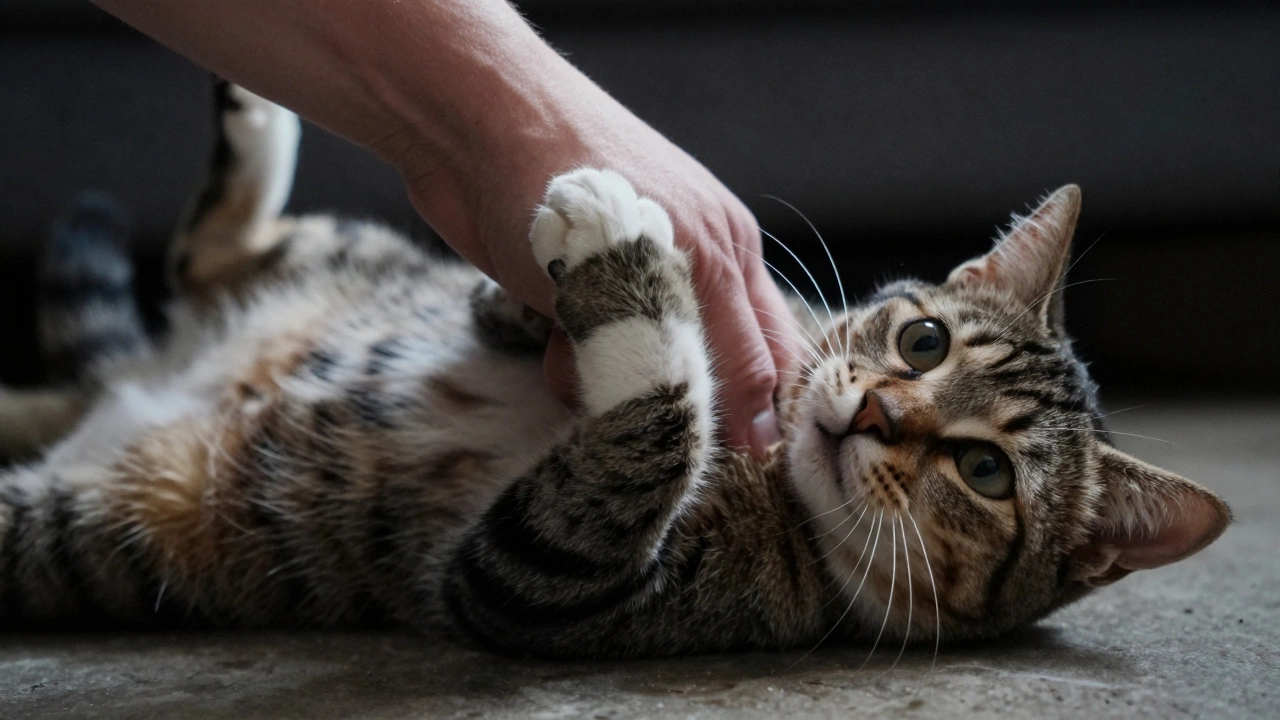
When a cat grabs your hand with all four paws and starts "bunny kicking," they aren't just being mean. They are practicing a lethal hunting technique. In the wild, Felis catus use their powerful hind legs to disembowel prey once they've secured it with their front claws. By touching the belly, you've accidentally activated their predatory drive.
Your hand becomes the "prey." Because the belly is the center of their balance, they can use their back legs with maximum force when they're lying on their back. This is why the "belly trap" is so effective-they have the perfect leverage to keep you pinned while they kick.
How to Pet Your Cat Without Getting Bitten
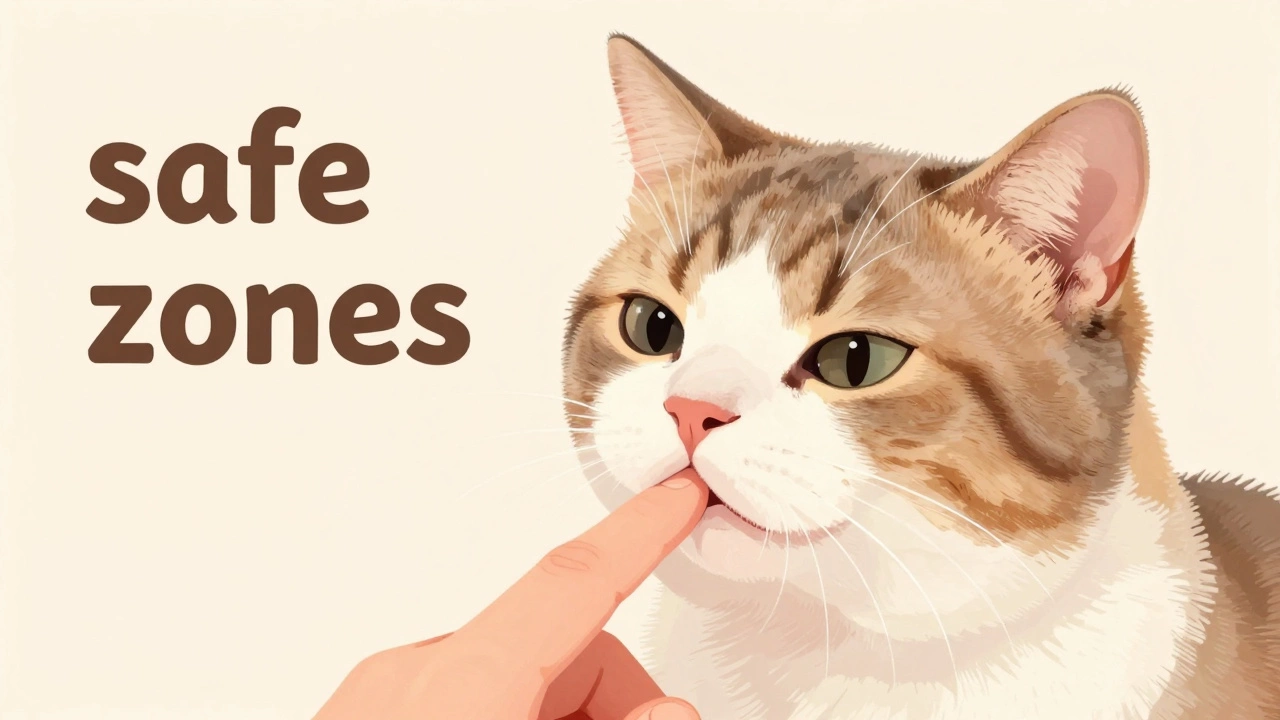
The secret to a happy cat is letting them lead the interaction. If you want to avoid the claws, stop treating the belly as a "green light." Instead, focus on the areas where they have scent glands. Cats have Pheromones which are chemical signals released by animals to communicate with others of the same species in their cheeks, forehead, and the base of their ears. Rubbing these areas feels like a social exchange to them.
- The Slow Blink: Before reaching out, give your cat a slow blink. This is a "cat kiss" that tells them you aren't a threat.
- The Finger Offer: Extend one finger and let them rub their cheek against it. If they don't lean in, they aren't in the mood for pets.
- Watch the Tail: If the tail starts thumping or twitching rapidly, stop immediately. That's the "warning light" that overstimulation is happening.
- Avoid the Belly: Unless your cat is one of the rare few who genuinely loves it, treat the belly as a "look but don't touch" zone.
Understanding Cat Body Language
Learning to read a cat is like learning a new language. Most of the conversation happens with the ears and the tail. When a cat flops over, look at the rest of their body. Are their ears pinned back? Are their pupils dilated? If so, that belly exposure might actually be a sign of submission or fear, not trust. Touching them in that state is a recipe for a scratch.
On the other hand, a relaxed cat will have soft eyes and a slow-moving tail. Even then, the belly remains a gamble. The best rule of thumb is to stick to the "head and neck" rule. Most cats will never turn on you if you stay focused on the chin and behind the ears.
Do any cats actually like belly rubs?
Yes, some do. Every cat is an individual. Some cats have a higher threshold for stimulation or a different relationship with their owners that overrides the instinctual fear. If your cat actively pushes their belly into your hand and purrs without any signs of tension, they might be an exception. However, always watch for the "warning signs" like twitching tails.
Why does my cat bite me after they were purring?
This is usually caused by overstimulation. Cats have sensitive nerve endings, and after a few minutes of petting, the sensation can switch from pleasant to irritating or even painful. When they bite, they are essentially saying, "Enough! I've had as much as I can take." It's a boundary-setting behavior.
Is it possible to train a cat to like belly rubs?
You can't really "train" out a survival instinct, but you can use positive reinforcement. Give a small treat immediately after a very brief, gentle touch to the belly. Over time, they may associate the touch with something positive. But be careful-forcing the issue will only make them trust you less.
What should I do if my cat catches my hand in the 'belly trap'?
The worst thing you can do is pull away quickly, which triggers their prey drive further. Instead, stay still and gently push your hand away or use a toy to distract them. Once they let go, give them some space. Do not scold them, as they are acting on instinct; instead, remember that the belly is a no-touch zone for that specific cat.
Does a cat showing its belly always mean trust?
Not always. In a confrontation, a cat may roll onto its back to keep all four sets of claws available to fight off an attacker. If the cat looks tense, has dilated pupils, or is hissing, the belly exposure is a defensive posture, not a gesture of affection.
Next Steps for a Happier Cat
If you've spent years accidentally annoying your cat with belly rubs, the best thing to do is a "reset." Spend a week only petting them in their favorite spots-the chin and cheeks. Let them come to you and decide when the session ends. By respecting their boundaries, you'll find that they actually become more affectionate because they know you won't surprise them with a touch they hate.
For those with particularly "spicy" cats, try using a grooming brush. Often, the feeling of a brush is less overwhelming than the heat and pressure of a human hand, allowing you to provide the affection they want without triggering the defensive reflex.