Post-Grooming Mood Analyzer
Select the signs you have noticed in your dog following their recent grooming session to determine their stress or comfort level.
Observation Check
Analysis Result
Score pending analysis...
Recommendations:
- Your analysis will appear here.
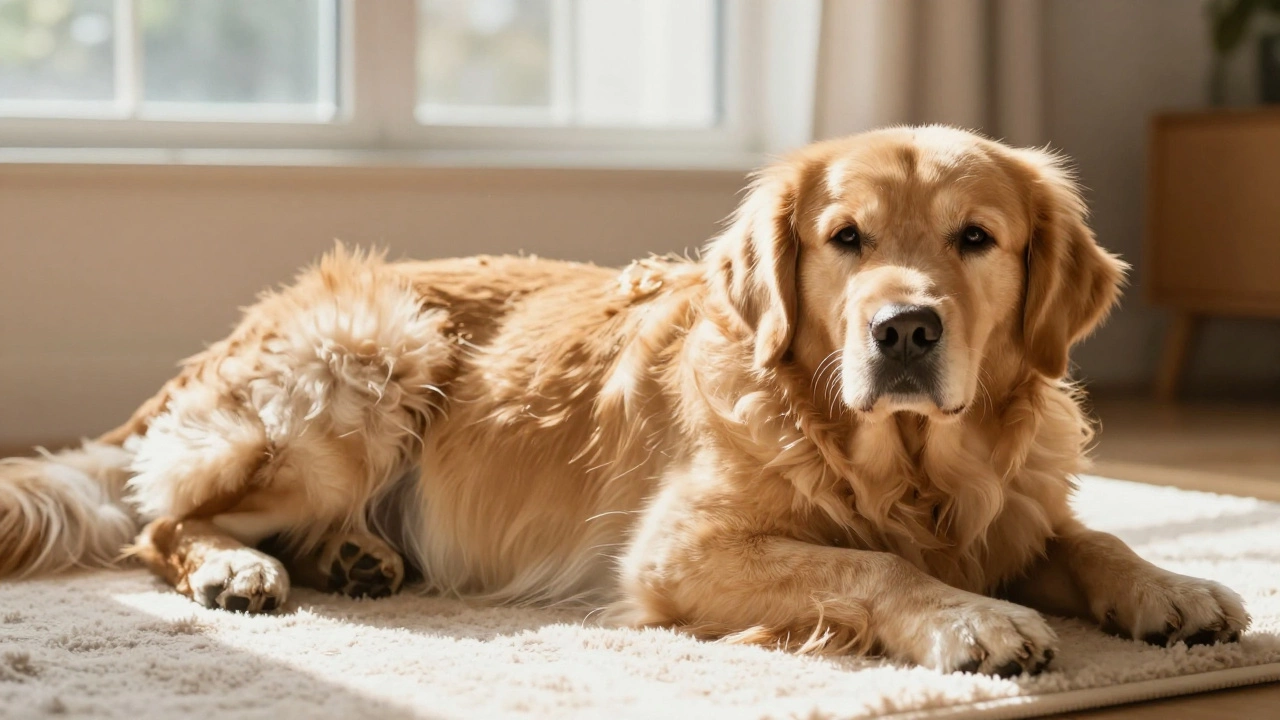
Walk past a freshly groomed Golden Retriever on the street, and you notice two things instantly. The coat is fluffy and clean, and the tail seems to wag with more bounce than usual. It’s tempting to think that a trip to the grooming salon makes every dog a joyous creature, but the reality is often more nuanced. While a tidy coat certainly helps physical health, does it actually boost your dog's happiness? The answer depends largely on how the process went, how their skin feels afterward, and whether they associate the experience with safety or fear.
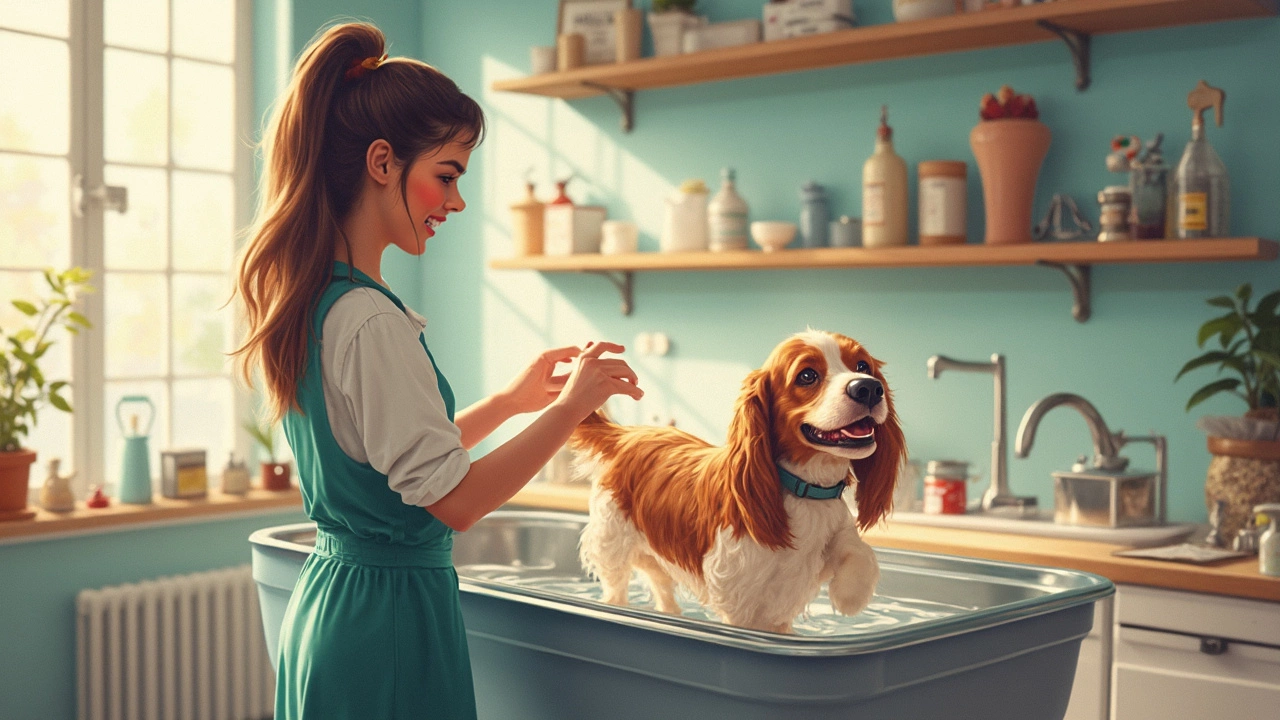
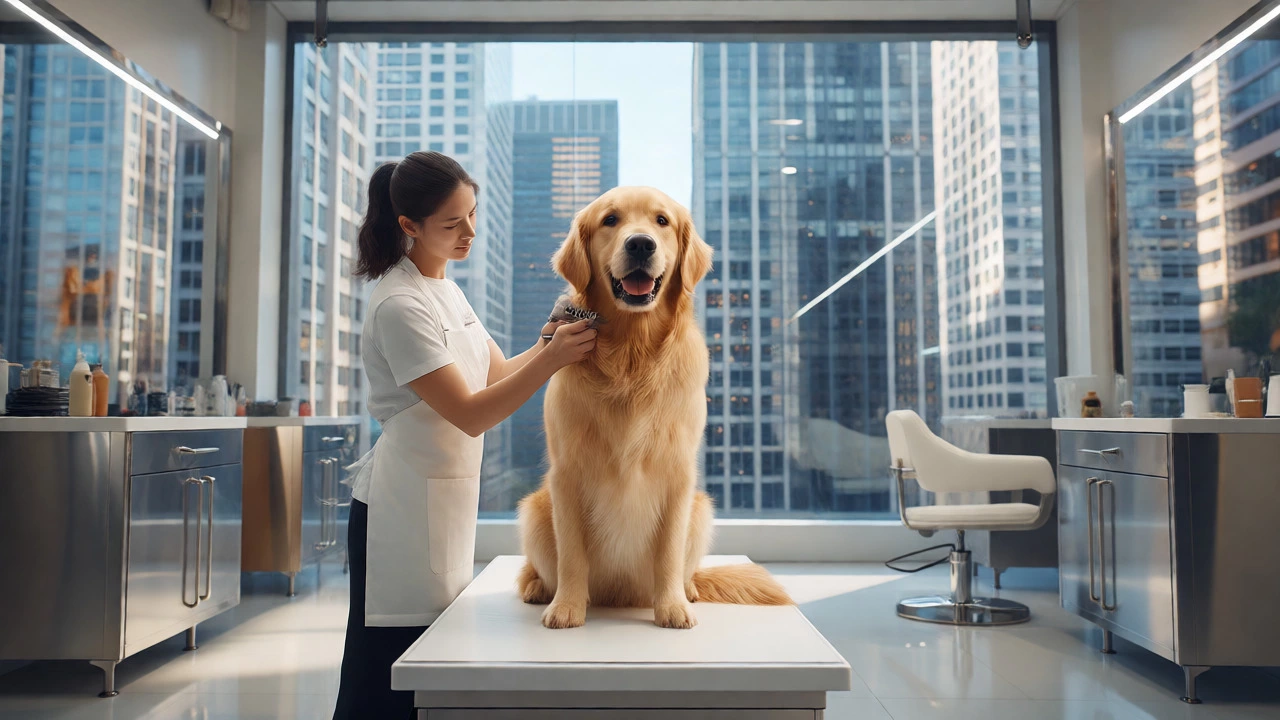
Dog Grooming is a process of maintaining a dog's hygiene and appearance through bathing, clipping, and cleaning. When done correctly, this service can eliminate itching caused by debris and mats, which allows a dog to rest comfortably. However, if a dog spends the session trembling under a dryer or struggling with a clipper, the aftermath might show signs of anxiety rather than relief. To understand where your dog falls on this spectrum, we need to look at the physical sensations and behavioral cues that appear in the hours following a grooming session.
The Physical Relief Factor
Before we talk about feelings, we have to address comfort. Imagine wearing shoes that are two sizes too small for three days straight. Eventually, your feet swell, you get blisters, and your gait changes to compensate. For dogs, especially long-haired breeds, severe matting creates the exact same pressure issue. Tight mats pull on the follicles constantly. This isn't just annoying; it hurts.
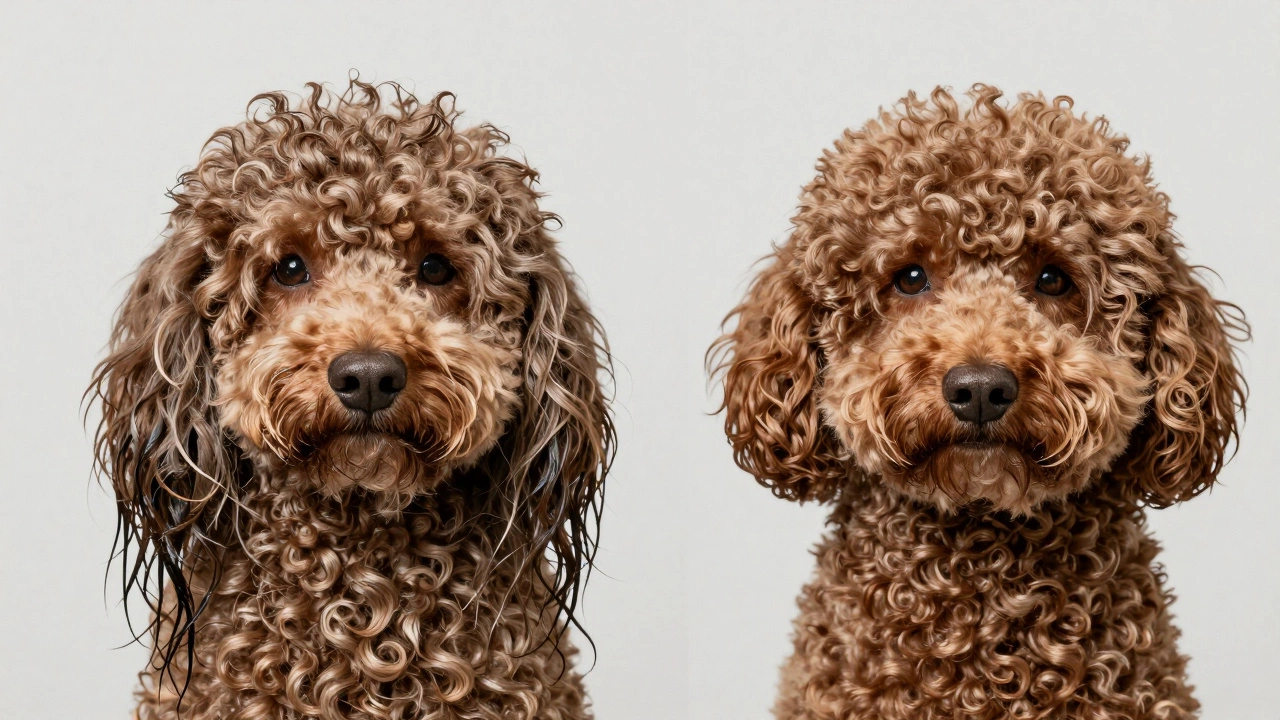
When a groomer shaves off these mats, the immediate sensation is lightness. The skin breathes again. You might notice your dog rolling on the floor or flopping over right after coming home. This isn't just playfulness; it is often a release of tension. There is a direct line between physical discomfort and low mood. Removing a heavy, itchy coat allows them to sleep deeper and move without restriction. In many cases, the "fresh cut glow" is simply the visible result of stopping a chronic itch or pain source.
Consider the paws. Overgrown nails force dogs to stand on their toes to keep the nails off the ground. This alters their balance and puts strain on their back legs and spine. After a proper nail trim, you may see them put full weight back on their paw pads. This mechanical correction alone can make a dog feel more confident walking and running. They don't always show gratitude verbally, but their willingness to jump or run increases significantly once the awkwardness of their claws is gone.
The Emotional Connection and Touch Therapy
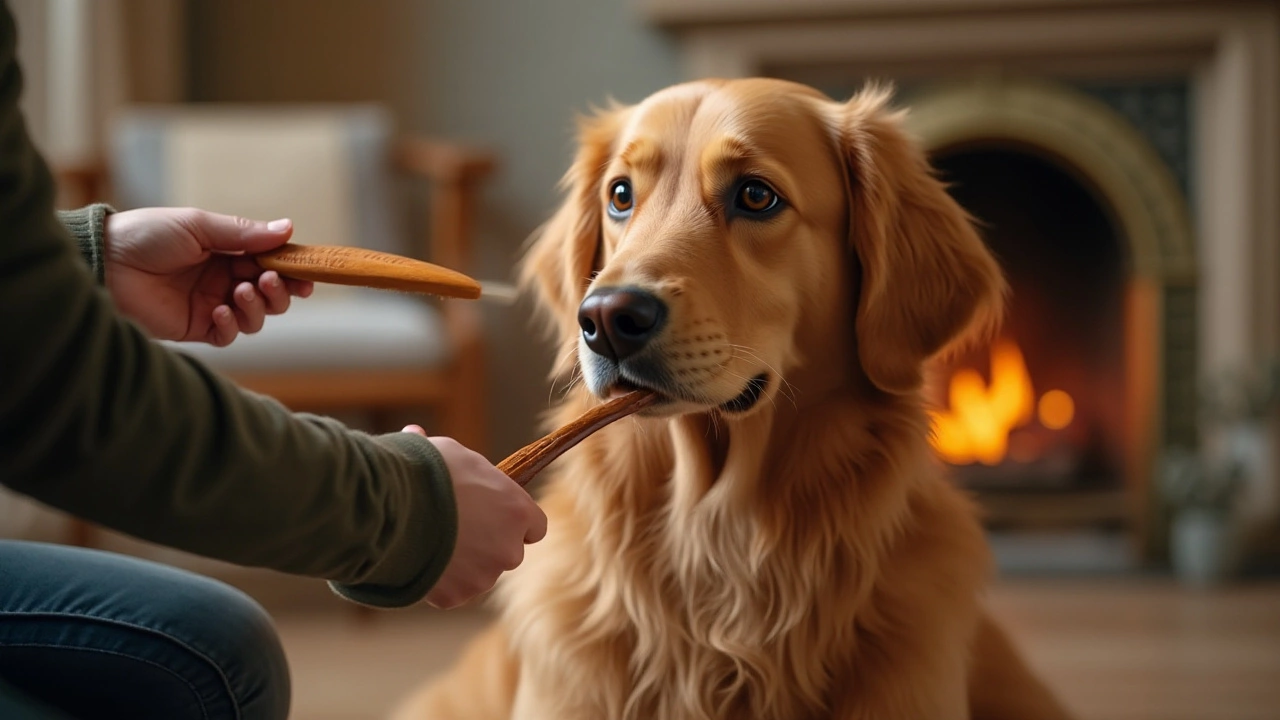
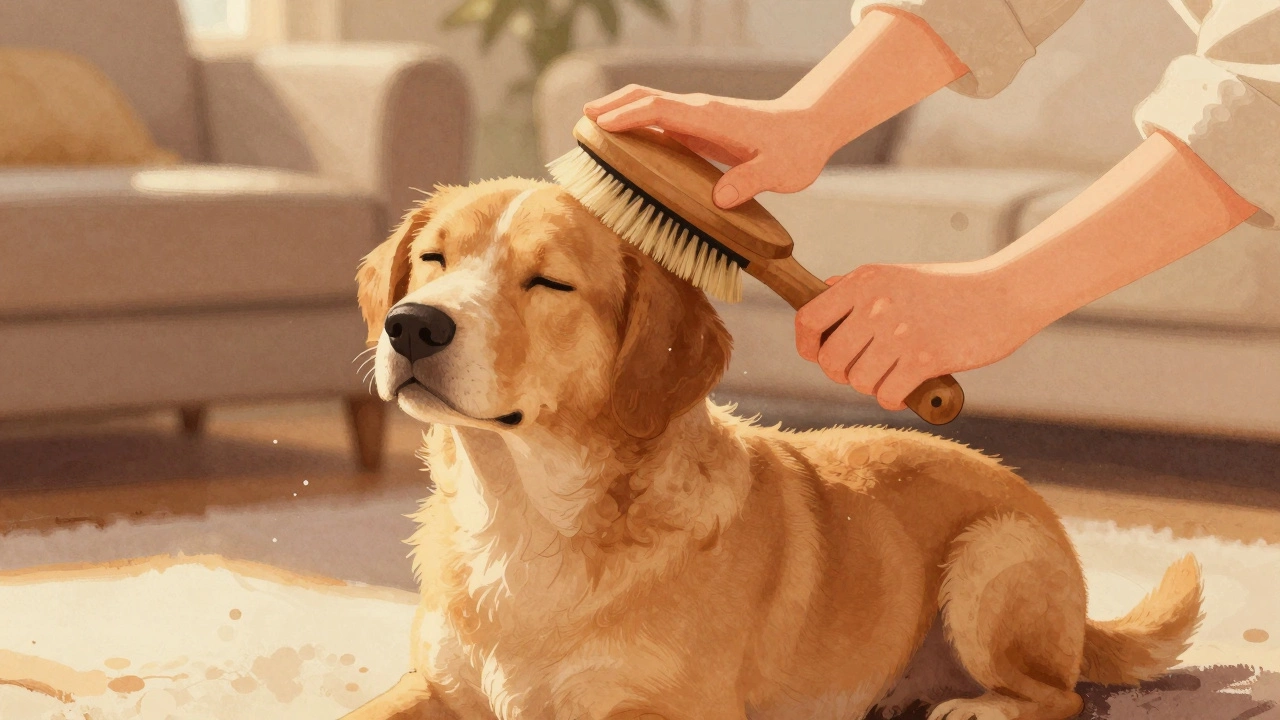
Humans often underestimate the power of touch. Many dogs view brushing and gentle handling as a form of communication. If you spend time brushing your dog's coat before a big session, you are building positive association. This carries over into the actual grooming appointment. Professional groomers who take the time to stroke and reassure the animal help lower cortisol levels.
Canine Bonding improves when grooming sessions are framed as care rather than captivity. A study on companion animals suggests that rhythmic touching, similar to massage, promotes relaxation. While a high-pressure dryer is loud, the hand movements involved in brushing and drying stimulate blood flow. If the dog trusts the handler, this sensory input translates to contentment. You can spot this by looking for slow blinking eyes and loose lips. These are clear indicators that the nervous system is calmed rather than aroused.
However, the environment plays a huge role. A noisy salon with barking neighbors can spike stress hormones regardless of how nice the haircut looks. Conversely, a quiet mobile groomer van that picks the dog up at home can reduce travel anxiety. Where the grooming happens matters almost as much as what happens physically. Context determines whether the dog views the event as a spa day or a kidnapping.
Recognizing Post-Grooming Behavior
| Behavior Type | Happiness Indicators | Stress Indicators |
|---|---|---|
| Physical | Relaxed muscles, warm belly, deep sleep | Trembling, panting without heat, excessive shaking |
| Vocal | Quiet, occasional soft sigh | Whining, growling, snapping |
| Eating | Normal appetite returns quickly | Loses interest in food or treats |
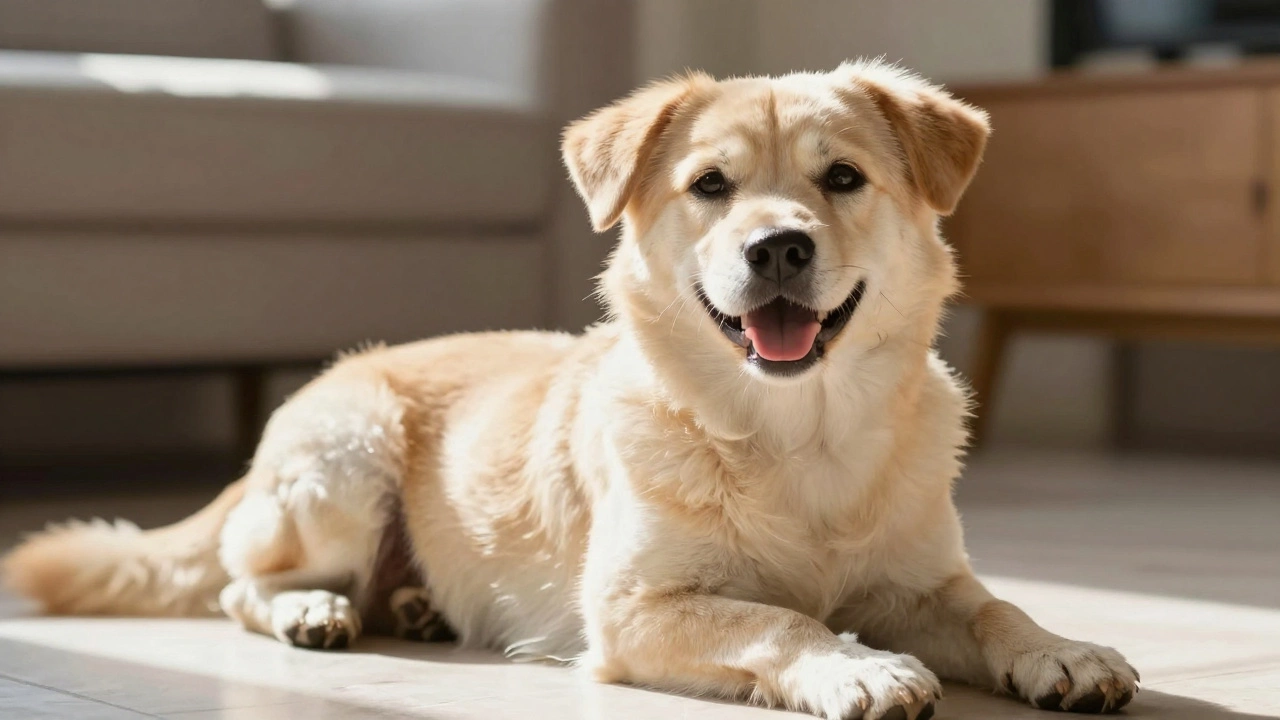
If your dog runs away and hides under the sofa immediately upon returning home, something went wrong during the handling. Maybe the scissors snagged a loose skin fold, or the noise of the clippers triggered a phobia. A happy dog usually settles quickly. They might seek out extra cuddles or lie in the sun to let the fresh scent of shampoo air out. Their energy levels should return to normal baseline after a short decompression period.
We also need to talk about the smell. Strong chemical perfumes used in some commercial shops can irritate sensitive noses. A dog that was happy during the bath might become agitated when introduced to heavy artificial scents. Using organic or unscented products helps maintain their sense of security. If they seem sneezing or sniffing excessively, the product itself might be causing distress, not the cut itself.
Mitigating Grooming Anxiety
Not every dog walks out of the salon smiling. Some breeds have genetic predispositions toward sensitivity. Herding dogs like Collies or Border Collies can be particularly reactive to being handled while still young. Desensitization training starts long before the first bath. At home, touch the paws gently and lift the chin frequently so these actions don't feel intrusive later.
Professional Groomer selection is crucial for ensuring a positive outcome for both owner and pet. Ask questions beforehand. Do they use muzzle loops? Do they offer calming music? Can you drop in for a trial visit? A good groomer will watch your dog's body language closely and stop if the stress levels get too high. Cutting a bad temperament is better than traumatizing the dog for months.
You can also support them at home. Bring their own familiar toy or blanket to the shop. Keep the routine consistent so the car ride doesn't become the scary part. If you groom at home, pair the brush with high-value treats. The goal is to condition the brain to expect rewards, not punishment. Consistency builds confidence. Over time, the act of getting ready becomes a predictable part of life that ends positively.
Breed-Specific Considerations
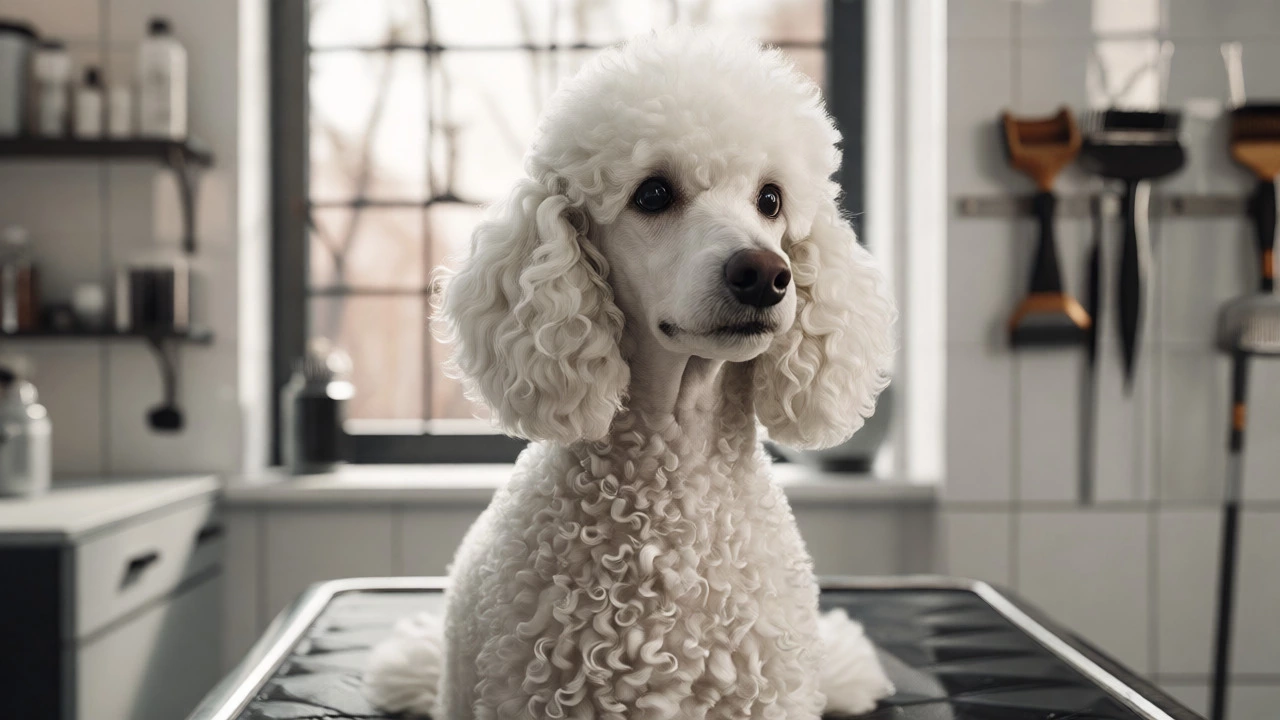
A Poodle gets a different style than a Boxer. Breed standards aren't just about looks; they functionally protect the dog. The double coat on a Husky protects against cold weather. Shaving that completely down removes insulation and can lead to temperature regulation issues. When a dog cannot thermoregulate properly because of an inappropriate cut, they become lethargic and grumpy.
Skin folds found on Bulldogs or Shar Peis require extra attention. Without proper drying in those wrinkles, fungus grows easily. This causes intense itching. If you notice scratching returning quickly after a bath, the drying stage wasn't thorough enough. A properly dried dog feels fresher longer. That extended freshness contributes to a better mood over several days, not just minutes.
The Role of the Owner
Ultimately, your reaction influences theirs. If you are tense or worried about the groomer hurting them, the dog senses that vibration. Pick them up relaxed and happy. Offer praise immediately upon seeing them. Even if they look ragged or had a bit of a rough start, focus on the fact that they survived the experience safely. Your reassurance anchors them back to safety faster than any treat could.
We often forget that cleanliness equates to dignity. Animals care about being clean in ways we might not articulate. Wild canines spend hours rolling and rolling in grass to remove odors. Domesticated dogs rely on us. When we fulfill this duty effectively, we strengthen the trust dynamic. A clean dog smells less pungent to humans, but to other dogs, they signal they are a healthy pack member free from parasites. Social confidence can rise when a dog is odor-free.
There is no single answer that applies to every dog. One might love the shower, while another finds it terrifying. But if you prioritize their comfort during the process-whether you do it yourself or hire help-the likelihood of them feeling lighter and happier afterwards increases significantly. Watch their body, listen to their sighs, and respect their limits.
Frequently Asked Questions
Does hair growing back change after shaving?
Yes, in some breeds, cutting double coats too close can alter texture. The new hair may come in coarser or less dense than the original guard hairs. Always consult your groomer about breed-appropriate lengths.
How long does grooming stress last?
For most dogs, mild stress subsides within 24 hours once they are back in a safe environment. If behaviors persist longer than a few days, consider switching groomers or using desensitization techniques.
Should I brush my dog before the groomer does?
Absolutely. Brushing at home removes large mats and gets your dog comfortable with the combing motion. It speeds up the session, saving money and reducing their time in a stressful environment.
Why does my dog shake after a bath?
Shaking serves to dry fur quickly, but it can also be a displacement behavior for anxiety. Watch for accompanying signs like tucked tails or ears to determine if it's thermal regulation or fear response.
Is home grooming safer than professional grooming?
It offers more control over pace, but professionals have experience handling difficult situations safely. Home grooming requires patience and the right tools to avoid accidental nicks or misuse of clippers.
Keeping your dog's coat in top shape is about more than aesthetics. It involves balancing physical relief with emotional safety. By monitoring how they react post-session and adjusting your routine accordingly, you ensure that grooming remains a positive pillar in their care routine rather than a source of dread. A clean dog is generally a comfortable dog, but a happy dog is one who feels respected throughout the process.