Dog Collar Selector Tool
Confused about which collar to use? Answer a few questions about your dog's activity and environment to get an instant recommendation. Remember: Breakaway = Safety/ID only. Quick Release = Walking/Control.
Why does this matter?
A Breakaway collar releases under pressure to prevent strangulation but cannot hold a leash securely. A Quick Release collar stays locked until you press the tabs, providing security for walks but posing a risk if left unattended with active dogs.
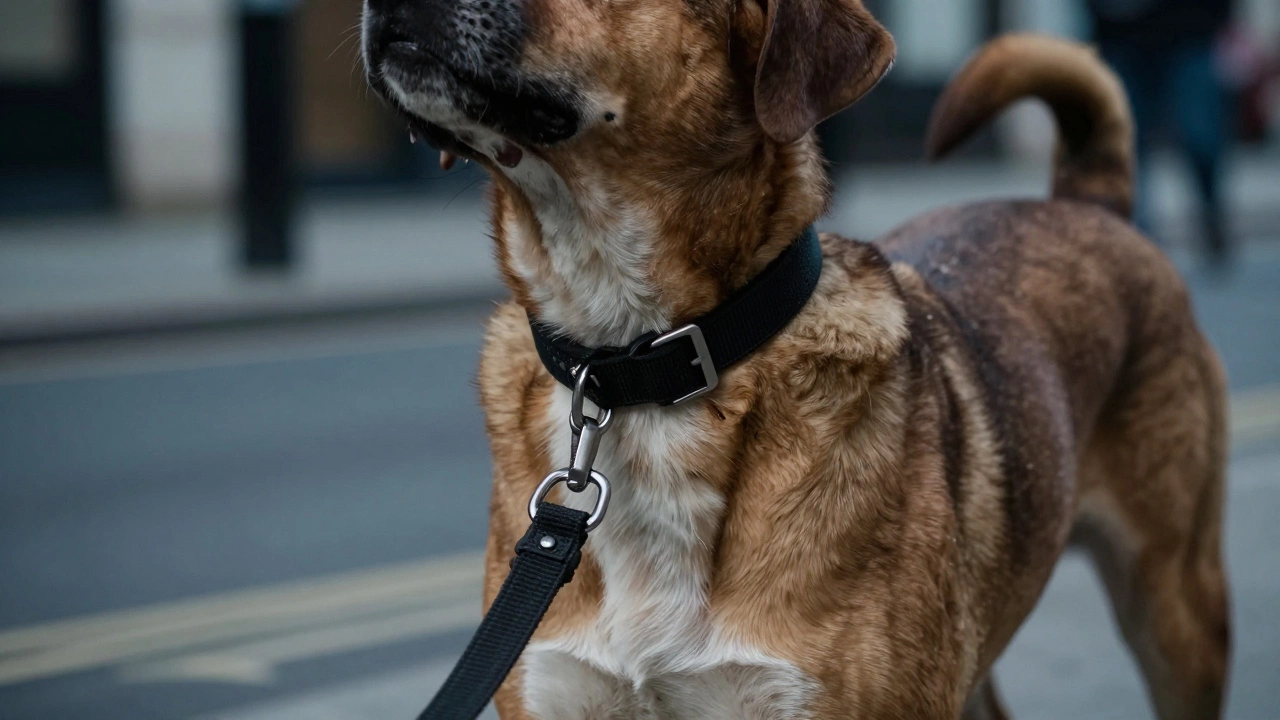
You’re walking your dog in Bristol, and they spot a squirrel. They lunge forward with the force of a small tractor. If you’re wearing a standard flat collar, that sudden jerk might be fine. But if your dog gets tangled in a fence or caught by their leg on a branch while playing rough, a non-releasing buckle could turn a minor mishap into a choking hazard. This is where the debate between breakaway collars and quick release collars gets confusing for many pet owners.
They look similar. They both have buckles. They both seem to "let go." But one lets go when pulled from the inside (safety), and the other lets go when you press a button (convenience). Mixing them up can be dangerous. A breakaway collar on a strong walker will snap open mid-walk, sending your dog sprinting toward the road. A quick release collar on an active puppy left unattended could lead to strangulation. Let’s clear up the confusion so you can pick the right gear for your four-legged friend.
The Core Mechanism: How They Actually Work
To understand the difference, you have to look at the hardware. The entire function of these collars hinges on how the buckle releases tension.
A breakaway collar uses a specialized safety buckle. This mechanism is designed to pop apart automatically when a specific amount of pressure is applied to the strap itself. Think of it like a seatbelt that unlatches if someone yanks hard enough from the wrong angle. It has no buttons or levers you need to touch. It relies entirely on physics. If your dog gets their head stuck in a crate wire or catches their collar on a tree limb, the buckle snaps open, freeing them instantly. These are often called "safety collars" because they prioritize life-safety over retention.
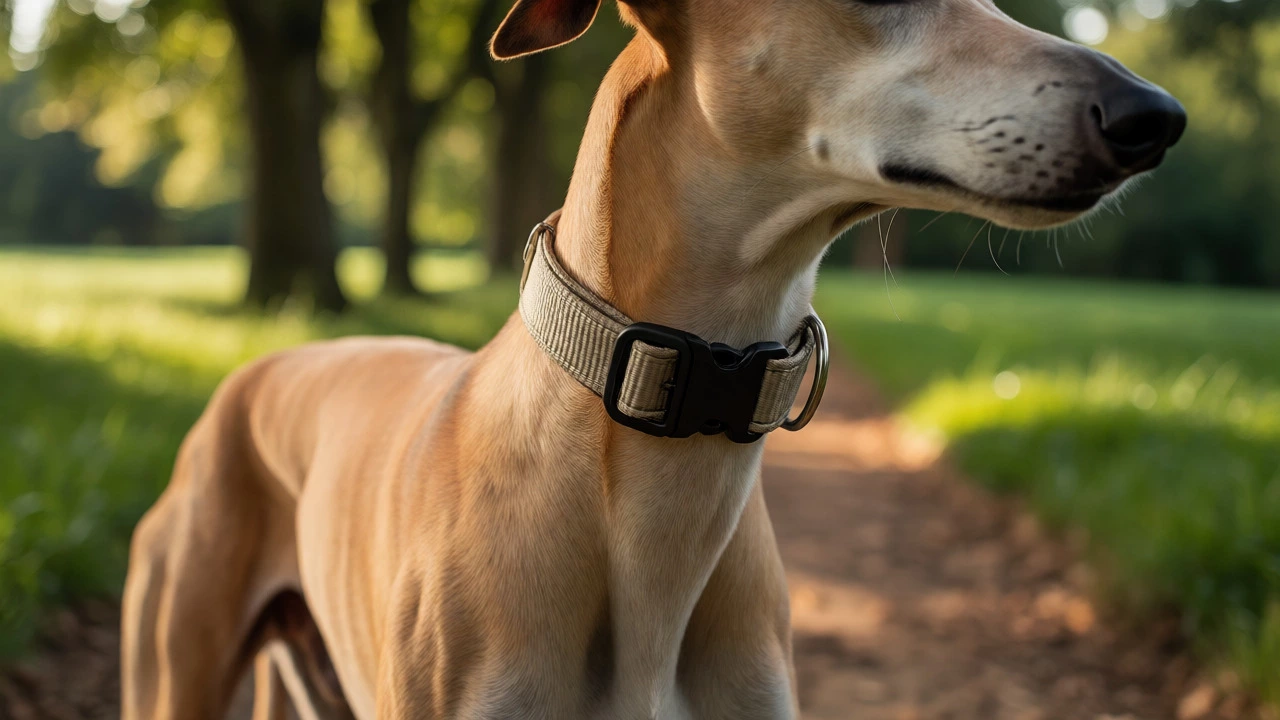
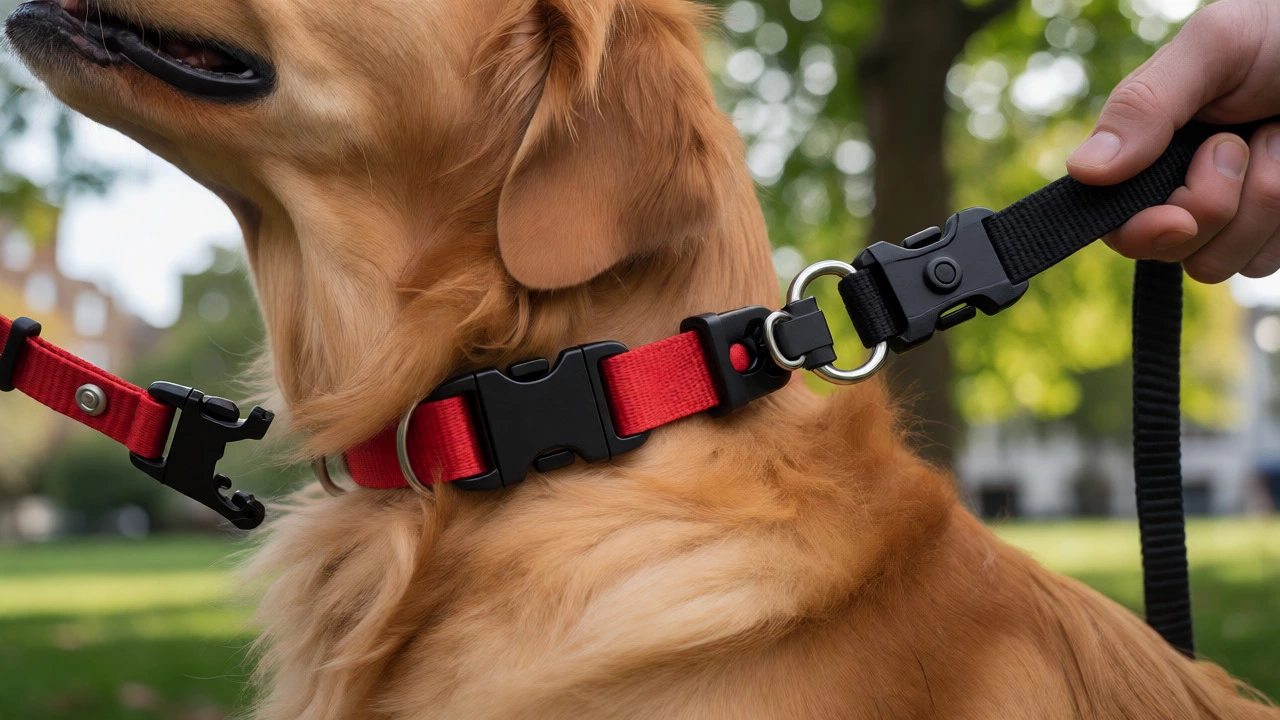
In contrast, a quick release collar features a side-release buckle, identical to what you find on backpack straps or car seat belts. It stays firmly locked until you manually press two plastic tabs on either side of the buckle. Once you squeeze those tabs, the tongue slides out, and the collar opens. It does not matter how hard your dog pulls; the buckle remains closed unless human hands intervene. This design prioritizes security during walks and training sessions.
When to Choose a Breakaway Collar
Breakaway collars are primarily safety devices, not walking tools. Their main job is to prevent accidental strangulation when your dog is unsupervised or in high-risk environments.
- Puppies and Young Dogs: Puppies are clumsy explorers. They chew things, get their heads through railings, and play roughly with littermates. A standard collar can catch on a toy or a sibling’s mouth. A breakaway buckle ensures that if a puppy gets tangled, they can wiggle free without panicking or injuring their neck.
- Cats and Small Dogs: While this article focuses on dogs, the logic applies to any animal that climbs or squeezes into tight spaces. For small terriers or chihuahuas who love burrowing under furniture, the risk of snagging is real.
- Unsupervised Wear: If you leave your dog in a crate, a playpen, or a room alone for short periods, a breakaway collar is safer. It acts as insurance against accidents you didn’t see happen.
- Identification Only: Many vets recommend breakaway collars solely for holding ID tags. Since the dog isn’t being walked on a leash attached to it, the lack of strength doesn’t matter. The priority here is ensuring the tag stays on but the collar doesn’t choke them if they get stuck.
However, there is a major downside. You cannot walk a dog effectively with a breakaway collar. If you attach a leash to the D-ring and your dog lunges at a cat, the collar will likely snap open. Your dog will keep going, and you’ll be left holding a leash and half a collar. It’s frustrating and potentially unsafe near traffic.
When to Choose a Quick Release Collar
Quick release collars are the workhorses of daily dog ownership. They offer the perfect balance between ease of use and secure fit.
- Daily Walks: This is the primary use case. When you clip a leash to a quick release collar, you want it to stay put. No matter how much your Labrador pulls, the buckle holds firm. You only remove it when you decide to take it off.
- Training Sessions: During obedience classes or park playdates, you need reliable control. A quick release buckle allows you to grab the collar gently to redirect your dog’s attention without fumbling with knots or struggling with a tight fit.
- Active Adult Dogs: High-energy breeds like Border Collies or Jack Russells generate significant force. A breakaway collar would fail constantly during fetch or agility drills. A quick release buckle withstands that dynamic stress.
- Convenience for Owners: Let’s be honest-putting on and taking off a collar shouldn’t be a struggle. The side-release mechanism is intuitive. One hand, two fingers, done. It’s faster than unbuckling a traditional slide-lock buckle and less risky than a breakaway that might accidentally pop.
The trade-off here is safety during unsupervised time. If you leave a quick release collar on a dog who loves to chew or climb, and they get snagged, the buckle won’t open. They could panic, thrash, and potentially injure their neck or windpipe trying to escape. Always supervise your dog if they wear a quick release collar indoors.
Material Matters: Nylon, Leather, and Hardware Quality
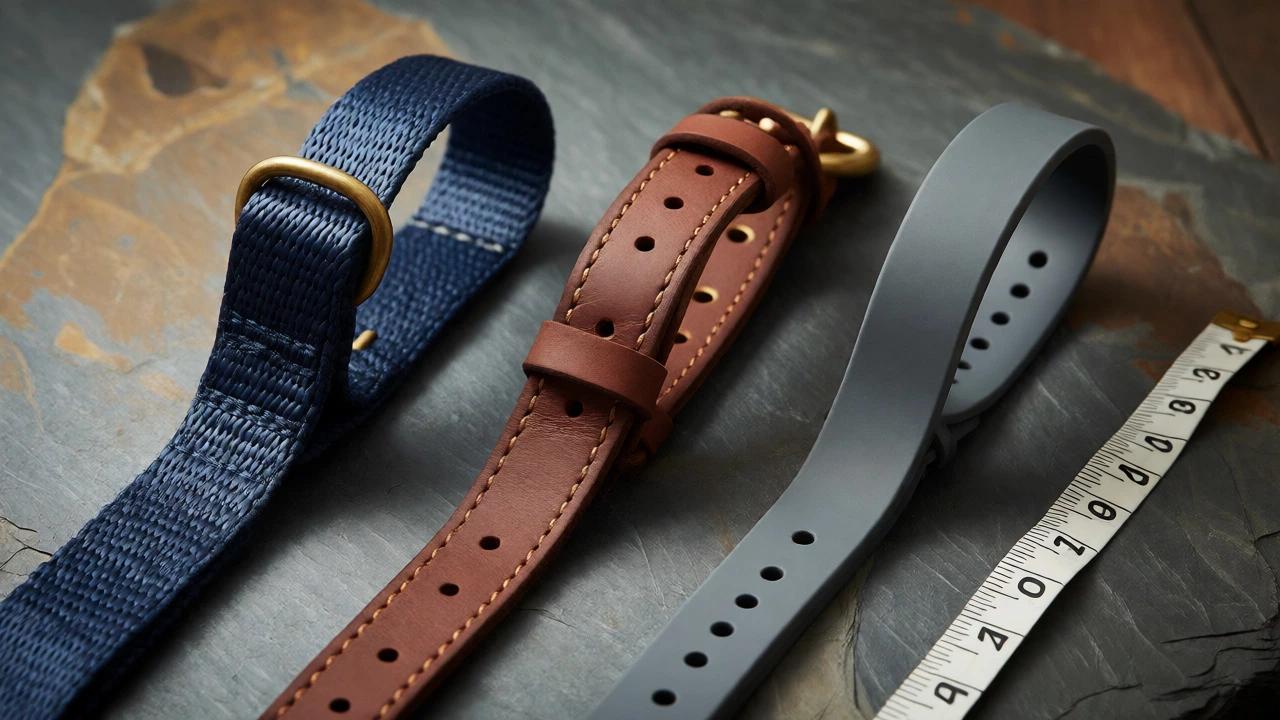
The buckle type is crucial, but the material determines durability and comfort. Both breakaway and quick release collars come in various fabrics, each with pros and cons.
| Material | Durability | Best For | Maintenance |
|---|---|---|---|
| Nylon Webbing | High resistance to abrasion and water | Active dogs, muddy walks, everyday use | Machine washable (cold cycle) |
| Genuine Leather | Extremely durable, softens over time | Style-conscious owners, long-term investment | Requires conditioning to prevent cracking |
| Biopolymer/BioThane | Waterproof, odor-resistant, vegan | Swimmers, wet climates, sensitive skin | Wipe clean with damp cloth |
| Fabric/Cotton | Low durability, prone to fraying | Short-term use, decorative purposes | Hand wash recommended |
In the UK, where rain is a frequent guest, nylon or BioThane collars often outperform leather. Leather looks great but requires upkeep. If you live in Bristol and walk along the harbourside regularly, a waterproof synthetic collar saves you the hassle of drying out a heavy, wet leather band every evening. Additionally, check the stitching. Double-stitched seams on the D-ring attachment point are essential for quick release collars, as that’s where all the pulling force concentrates.
Sizing and Fit: Avoiding the Choke Point
Even the best buckle fails if the collar fits poorly. An ill-fitting collar can cause hair loss around the neck, skin irritation, or breathing difficulties.
Use the "Two-Finger Rule." Slide two fingers comfortably between the collar and your dog’s neck. If you can only fit one finger, it’s too tight. If you can fit three or more, it’s too loose and risks slipping off the head. For breakaway collars, ensure the release threshold is appropriate for your dog’s size. Some cheap breakaways pop open with minimal pressure, which is annoying for larger dogs. Others require so much force that they don’t act as effective safety devices for smaller breeds.
Measure your dog’s neck circumference using a soft tape measure. Add two inches to this measurement to determine the correct collar length. Remember, puppies grow fast. Check the fit monthly. A collar that fits perfectly today might become a tourniquet in six weeks.
Common Mistakes Pet Owners Make
Many people buy a breakaway collar thinking it’s just a "fancy" version of a regular collar. Here are the pitfalls to avoid:
- Walking with a Breakaway: As mentioned, never attach a leash to a breakaway collar for outdoor walks. The leverage created by the leash handle amplifies the pull, making accidental release almost guaranteed.
- Ignoring Buckle Wear: Plastic buckles degrade over time, especially with UV exposure. Inspect your quick release collars annually. If the plastic feels brittle or the tabs stick, replace the collar. A broken buckle during a walk means a lost dog.
- Using Breakaways for Control: Don’t expect a breakaway collar to help with training cues. It’s passive. Use a front-clip harness or a standard martingale collar for better control if your dog pulls heavily.
- Assuming All "Safety" Collars Are Equal: Not all breakaway mechanisms are created equal. Look for brands that specify the release weight (e.g., "releases at 5kg of force"). Cheaper generic versions may vary wildly in sensitivity.
Final Verdict: Which One Do You Need?
It’s rarely an "either/or" situation. Most responsible dog owners should own both types.
Keep a sturdy quick release collar for your daily walks, vet visits, and training sessions. It provides the security you need to manage your dog in public spaces. Then, keep a comfortable breakaway collar with ID tags for indoor wear, crate time, or unsupervised play. Rotate them based on context. By understanding the mechanical difference, you stop guessing and start choosing gear that matches your dog’s activity level and environment.
Can I walk my dog with a breakaway collar?
Generally, no. Breakaway collars are designed to release under pressure. If your dog pulls even slightly, the collar may snap open, leading to a potential escape. Use a quick release collar or a harness for walks instead.
Are breakaway collars safe for all dogs?
Yes, they are safe and recommended for identification purposes. However, they are not suitable for dogs that are strong pullers or for use as a primary restraint device during walks due to their tendency to release unexpectedly.
How do I know if my quick release collar is breaking?
Check for cracks in the plastic housing, difficulty pressing the side tabs, or if the buckle feels loose when snapped shut. UV exposure and dirt can weaken the plastic over time, so inspect it regularly.
What is the difference between a martingale and a quick release collar?
A martingale collar tightens slightly when pulled to prevent escape but doesn't choke like a prong collar. It usually has a limited slip loop. A quick release collar has a fixed size with a side-release buckle. Martingales are for control; quick releases are for convenience and security.
Do cats need different collars than dogs?
Cats almost always require breakaway collars. Their climbing instincts and narrow bodies make them prone to getting snagged. Quick release collars are rarely used for cats unless they are trained to walk on a harness and leash specifically.