
Vibration Collar Suitability Checker
Answer a few questions about your dog to see if a vibration collar is a recommended communication tool for your specific situation.
Quick Guide: What You Need to Know
- Purpose: They use a vibration pulse to mimic the feel of a touch or a nudge.
- Effectiveness: Great for recall and boundaries, but only when paired with rewards.
- Safety: Much lower risk than shock collars, though some dogs find the sensation stressful.
- Best For: Dogs that are sensitive to sound or those who have become "deaf" to their owner's voice.
How Vibration Training Actually Works
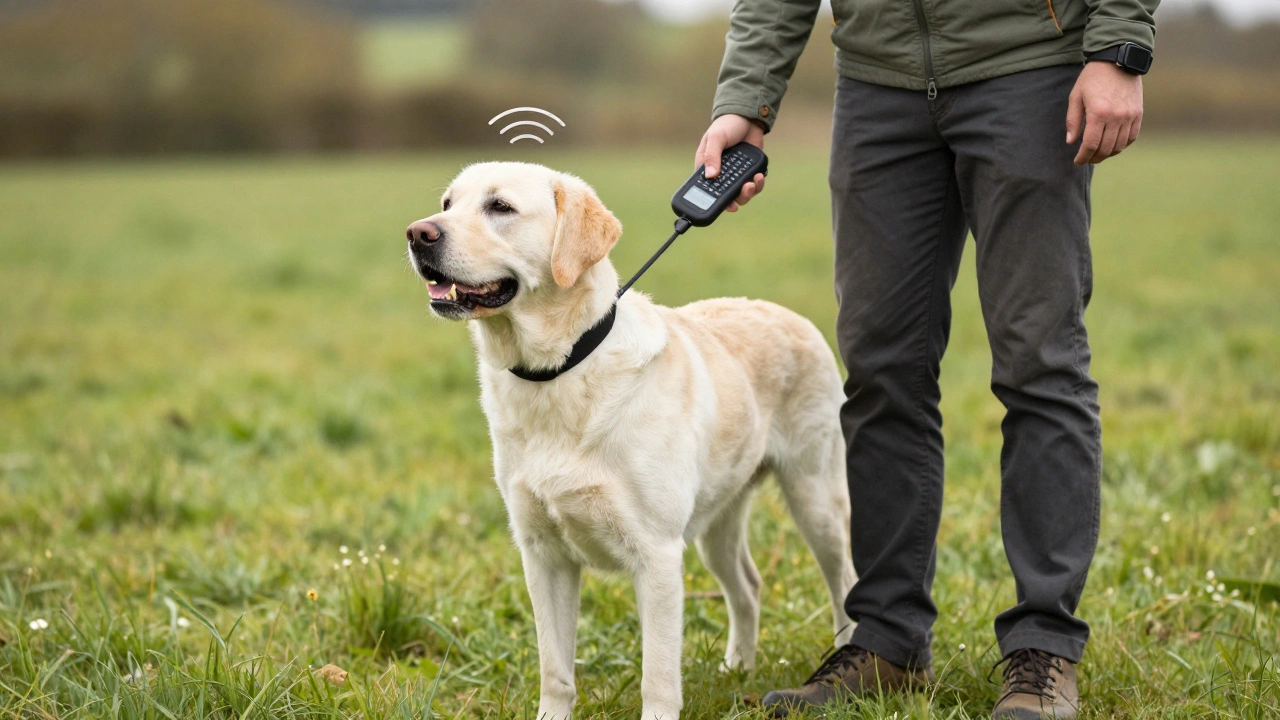
To understand if these tools are right for you, we first need to look at the tech. A vibrating dog collar is a wearable device that emits a physical vibration against the dog's neck to signal a command or provide a correction. Unlike static correction collars, there is no electricity entering the dog's skin. It's more like a pager for your pet.
Dogs are incredibly sensitive to tactile stimuli. In the wild, a nudge from a mother or a sibling is a clear social signal. Vibration collars tap into this. When the collar buzzes, it breaks the dog's concentration-essentially "waking them up" from a distraction-and makes them look at you to see what's happening. This is called a "pattern interrupt." If your dog is hyper-focused on a cat, a sudden buzz on the neck can snap them back to reality far more effectively than a voice command that blends into the background noise of a busy street.
Vibration vs. Shock Collars: The Big Difference
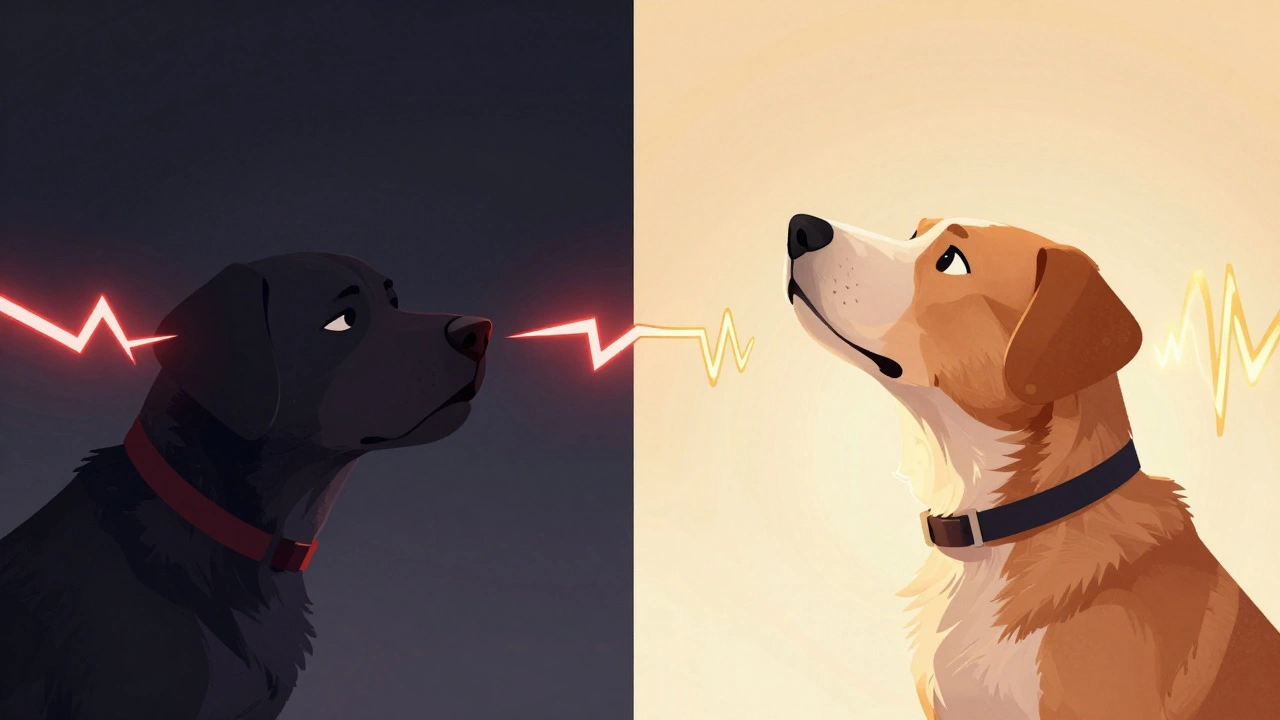
There is a massive divide in the dog world between vibration and static shocks. A shock collar uses an electrical pulse to create a sharp, sometimes painful sensation to stop a bad behavior. While some argue this is effective, it can trigger a fear response or lead to "learned helplessness," where the dog stops doing things not because they understand the rule, but because they're afraid of the pain.
Vibration is a non-aversive stimulus for most dogs. It's a signal, not a punishment. Think of it like a tap on the shoulder. If you tap someone on the shoulder, they aren't hurt, but they definitely notice you're there. Because it doesn't cause pain, it's much easier to keep the dog in a positive state of mind, which is where the real learning happens.
| Feature | Vibration Collars | Shock Collars |
|---|---|---|
| Primary Stimulus | Tactile Buzz | Electrical Pulse |
| Dog's Reaction | Curiosity/Attention | Avoidance/Fear |
| Risk of Injury | Very Low | Low to Medium (Skin irritation) |
| Learning Style | Signal-based | Punishment-based |
| Best Use Case | Recall and Attention | Severe Dangerous Behaviors |
When Should You Actually Use One?
You don't need a buzzing collar for every dog. If your pup already comes when called, adding a gadget just complicates things. However, there are specific scenarios where vibrating dog collars are a game-changer. First, consider the "distracted teenager." If you have a high-drive breed like a Border Collie or a Labrador Retriever, their prey drive can be so strong that they literally tune out your voice. The vibration acts as a physical bridge to bring their attention back.
Second, they are fantastic for dogs with hearing impairments. For a deaf dog, a voice command is useless. A vibration pattern-like two short buzzes for "sit" and one long buzz for "come"-provides a consistent, tactile language that the dog can rely on regardless of the noise around them.
Finally, they work well for boundary training. Instead of a fence that shocks a dog for crossing a line, a vibration warning tells them, "You're getting close to the edge," giving them the chance to turn back and be rewarded for doing so, rather than being punished for the mistake.
The Danger of the "Magic Button" Fallacy
The biggest mistake people make is thinking the collar does the training. If you just press the button every time your dog does something wrong, you aren't training; you're just annoying your dog. They'll eventually associate the buzz with you being grumpy, but they won't understand what they're supposed to do instead.
For these tools to work, you must use positive reinforcement. The sequence should always be:
1. The Signal: Press the vibration button to get their attention.
2. The Command: Give a clear, short command like "Come!"
3. The Reward: The moment they comply, give them a high-value treat or praise.
In this setup, the vibration is just the "heads up" that a command is coming. Over time, the dog learns that Buzz + Command = Treat. This creates a positive association and actually motivates the dog to listen because they know a reward is waiting.
Potential Pitfalls and Safety Tips
Not every dog reacts the same way to vibration. Some dogs are "tactile sensitive." For them, a vibration can feel like an electric shock or an irritating itch, which can lead to anxiety. If your dog backs away from the collar, cowers, or starts shaking when it buzzes, stop immediately. The tool is not a fit for their personality.
Another common issue is the "over-correction" trap. If you buzz the collar constantly, the dog will experience "sensory adaptation." This means they get used to the feeling and start ignoring it, just like you eventually stop noticing the hum of a refrigerator. Use the vibration sparingly. It should be a rare signal that means something important is happening.
Check the fit carefully. A collar that is too loose will rattle and may not deliver a consistent vibration. A collar that is too tight can cause skin chafing or pressure sores. You should always be able to fit two fingers between the collar and the dog's neck.

Integrating Vibration into Your Daily Routine
If you decide to try this, don't start by using it in the middle of a chaotic park. Start in your living room. Put the collar on, let the dog get used to the weight of it, and then give a single short buzz. Immediately follow it with a treat. Do this a few times a day for a week. You're building a "semantic bridge" in the dog's brain.
Once they understand that the buzz means something good is coming, move to the backyard. Increase the distance. Eventually, move to the park. By the time you're in a high-distraction environment, the dog already knows the signal. You aren't fighting for their attention; you're simply reminding them of the deal: listen to the buzz, follow the command, get the treat.
Are vibrating collars cruel?
No, when used correctly, they are not cruel. Unlike shock collars, they do not cause pain. They are designed to get a dog's attention through a tactile sensation. As long as they are paired with positive rewards and the dog isn't showing signs of fear or stress, they are a humane way to communicate with a distracted pet.
Can I use a vibrating collar for puppy training?
It's generally not recommended for very young puppies. Puppies are in a critical socialization phase and are often more sensitive to new sensations. It's better to build a foundation of trust and basic obedience using treats and praise first. Once the puppy is older and understands basic concepts, a vibration collar can be introduced as a secondary signal.
How long does the battery typically last on these devices?
Depending on the brand and how often you use the vibration function, batteries typically last from two weeks to several months. Rechargeable models are generally more convenient and environmentally friendly than those using disposable coin batteries.
Will a vibrating collar stop my dog from barking?
It can, but it's not a "bark-stop" button. If you buzz the collar when the dog barks and then reward them for being quiet, it can work. However, barking is often a result of anxiety or boredom. Addressing the reason *why* they are barking (like providing more exercise or mental stimulation) is always more effective than just signaling them to stop.
What should I do if my dog ignores the vibration?
If your dog is ignoring the buzz, you've likely overused it or haven't paired it strongly enough with a reward. Go back to basics: use the vibration in a quiet environment and reward every single time they look at you. If they still ignore it, they may simply not be sensitive to that specific frequency of vibration.
Next Steps for Success
If you're ready to try a vibration collar, start by assessing your dog's temperament. If they are naturally anxious, stick to traditional lure-and-reward training. If they are bold and distracted, look for a collar with adjustable vibration intensities so you can find the "sweet spot" that gets their attention without stressing them out. Remember, the tool is the messenger-your consistency and the treats are the real training.