Fancy Feast Safety & Suitability Checker
Answer the questions below to get a personalized assessment of whether Fancy Feast (or similar premium commercial wet foods) is the right fit for your feline friend.
Key Action Items:
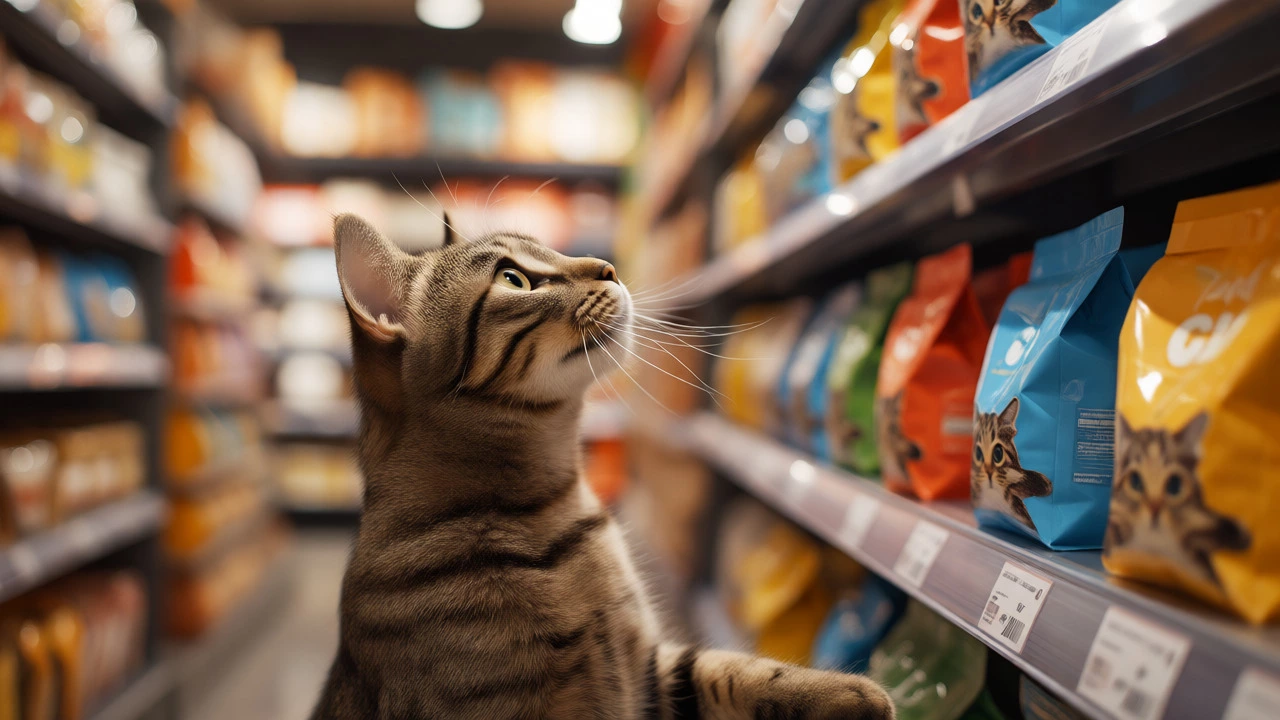
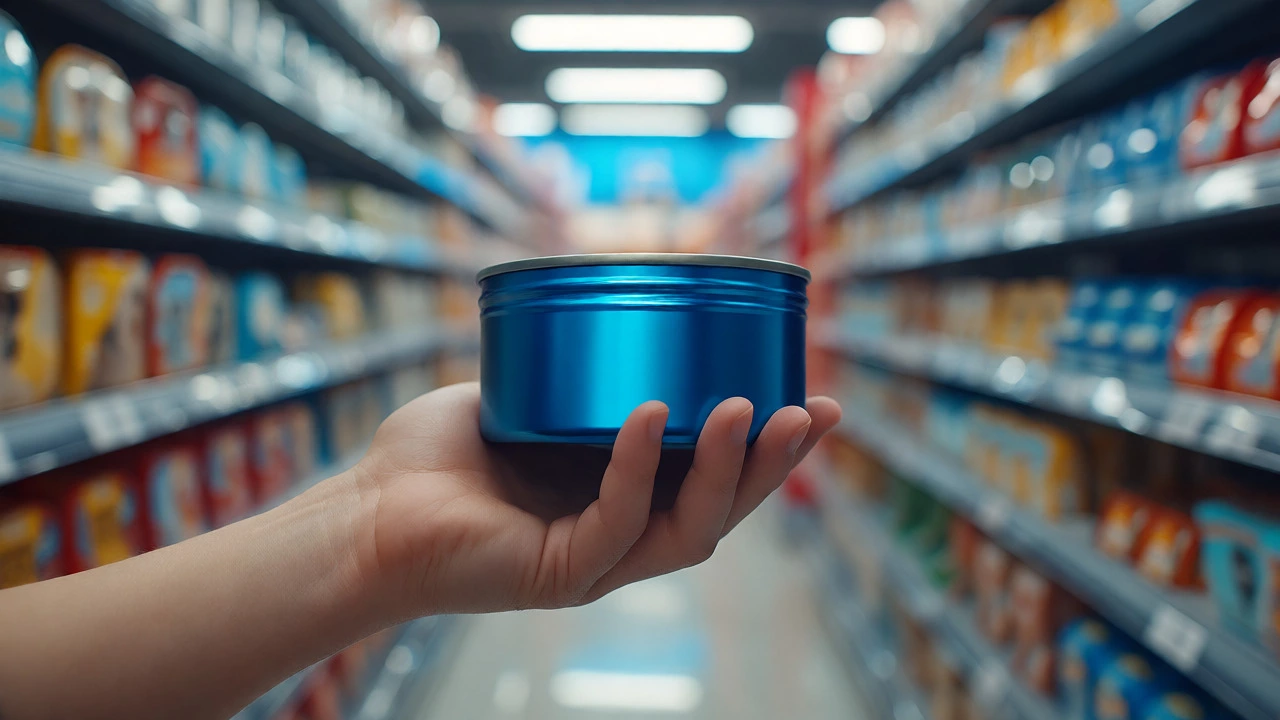
You’re standing in the supermarket aisle, holding a tin of Fancy Feast a premium wet cat food brand owned by Nestlé Purina PetCare, and you hesitate. Is this actually good for your cat? The name sounds fancy, the packaging is sleek, and millions of cats eat it every day. But if you’ve spent any time on social media or pet forums recently, you’ve likely seen heated debates about this brand. Some owners swear by it; others are terrified to buy it again.
The core issue isn’t just one bad batch. It’s a mix of historical recalls, ingredient transparency concerns, and the sheer scale of the company behind it. Let’s cut through the noise and look at what’s really going on with Fancy Feast and why it remains such a polarizing topic among cat parents in 2026.
Why Do People Distrust Fancy Feast?
Trust is hard to earn and easy to lose, especially when lives are involved. For many cat owners, the distrust stems from a few specific incidents that grabbed headlines over the last decade. While Purina is a massive corporation with strict quality controls, they aren’t immune to errors.
The most significant recent scare happened in early 2025. A voluntary recall affected certain varieties of Fancy Feast due to potential contamination with Listeria monocytogenes. This bacterium can make cats sick, but more worryingly, it poses a risk to humans handling the food. When you see "Listeria" associated with pet food, panic sets in. Even though the recall was limited to specific production lots, the news cycle amplified the fear. Suddenly, that familiar blue tin felt suspect.
But the anxiety goes deeper than single events. There’s a growing sentiment that "premium" marketing doesn’t always equal premium nutrition. Critics argue that Fancy Feast relies heavily on by-products and fillers that don’t sit well with cats looking for high-protein, ancestral diets. You might ask, "If my cat loves it, is it really bad?" That’s the million-dollar question. Cats are obligate carnivores, meaning their bodies require animal protein. If a food is mostly starch or plant-based filler, even if it tastes good, it might not be optimal long-term.
The Ingredient List: What’s Actually Inside?
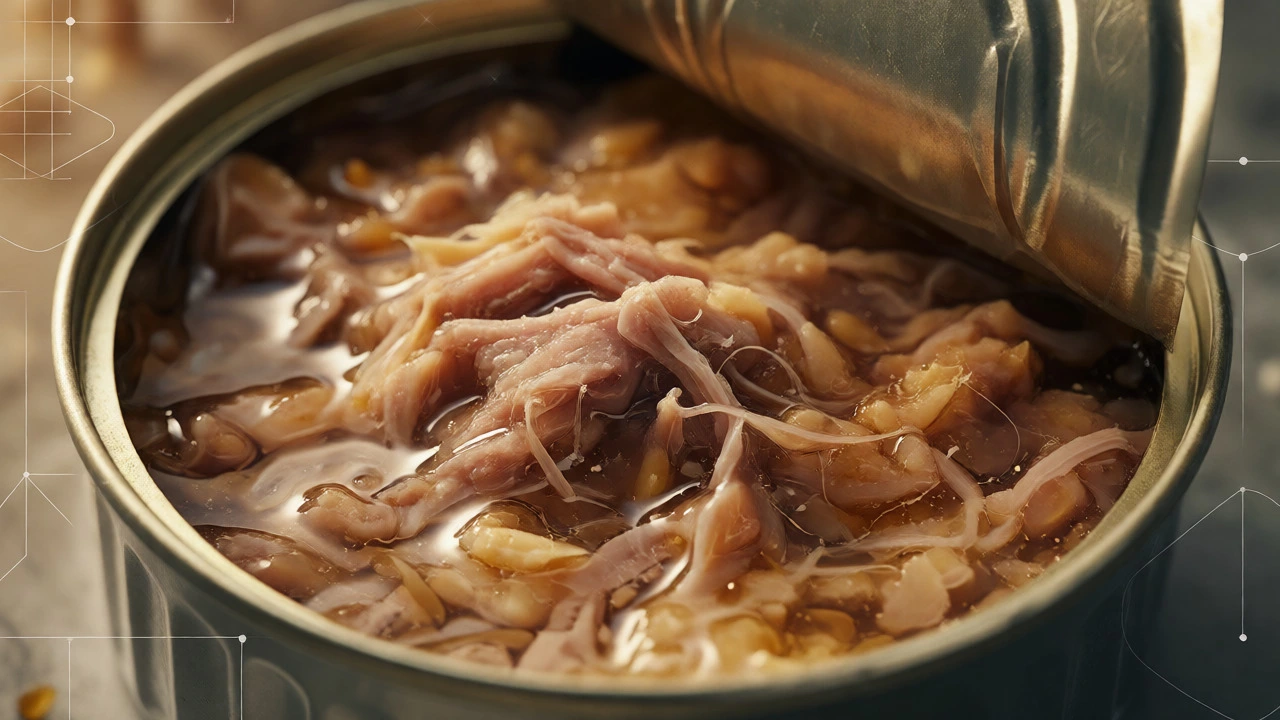
Let’s look at the label. Most Fancy Feast formulas list meat or poultry as the first ingredient. On paper, that looks great. But flip the can over, and you’ll often see terms like "meat by-products," "broth," or "modified corn starch." What does that mean for your cat?
Meat by-products are rendered parts of animals not typically used for human consumption-think organs, bones, and connective tissues. These aren’t necessarily bad; in fact, organ meats are nutrient-dense. However, the term "by-product" is vague. Without knowing exactly which animals or parts were used, some owners feel uneasy. Compare this to brands that specify "chicken liver" or "salmon fillet," and you can see why transparency matters.
Then there’s the carbohydrate content. Wet food should ideally be low-carb. Some Fancy Feast varieties contain around 8-10% carbohydrates on a dry matter basis. For a healthy adult cat, this is manageable. But for diabetic cats or those prone to obesity, it’s higher than ideal. High-quality grain-free options exist, but they often come with a higher price tag. Is the convenience worth the potential metabolic cost? That depends entirely on your cat’s health profile.
| Feature | Fancy Feast (Classic) | Premium Grain-Free Brand | Veterinary Prescription Diet |
|---|---|---|---|
| Primary Protein Source | Chicken/Poultry By-Products | Named Muscle Meat/Fish | Hydrolyzed Protein/Specialized |
| Carbohydrate Level | Moderate (Corn/Starch) | Low (Peas/Lentils) | Varies by Condition |
| Price Point | $ | $$$ | $$ - $$$ |
| Availability | Everywhere | Specialty Stores/Online | Vet Clinic Only |
Recall History: Pattern or Coincidence?
One recall might be an accident. A pattern suggests a systemic issue. Since its inception, Fancy Feast has faced several recalls. In 2019, certain pâté varieties were recalled for potential Salmonella contamination. In 2021, issues arose with packaging defects leading to spoilage. And then the 2025 Listeria incident.
Critics point out that these incidents often involve the lower-cost, high-volume lines. The theory? When you produce billions of cans, cutting corners on sourcing or processing becomes tempting. Supporters argue that large companies have better testing protocols than small boutique brands. They claim that because Purina tests everything, they catch problems before they cause mass illness. Smaller brands might miss issues simply because they test less frequently.
Who’s right? Probably both. Large-scale production brings efficiency but also complexity. One contaminated raw material batch can affect thousands of units. Small brands offer artisanal care but lack the resources for rigorous pathogen screening. As a consumer, you’re trading off between consistency and perceived purity.
The "By-Product" Debate and Nutritional Adequacy
Here’s where things get scientific. Does Fancy Feast meet nutritional standards? Yes. All commercial cat foods in the US and UK must meet AAFCO (Association of American Feed Control Officials) guidelines. This means Fancy Feast provides essential taurine, vitamins, and minerals. Your cat won’t starve or develop obvious deficiencies eating it exclusively.
However, meeting minimum standards isn’t the same as thriving. Many veterinarians now advocate for species-appropriate diets that mimic a cat’s natural prey model. This means high moisture, high protein, and very low carbs. Fancy Feast fits the moisture requirement perfectly. But the protein source variability is the sticking point. If your cat is sensitive to certain proteins, the vague labeling makes elimination diets difficult. You can’t easily tell if a reaction came from chicken, turkey, or a hidden beef derivative in the "poultry blend."
Also, consider palatability enhancers. To keep cats interested in consistent flavors, manufacturers sometimes add hydrolysates or flavorings. These are safe, but do they mask poor-quality base ingredients? Some behavioral experts suggest that highly processed foods can lead to picky eating habits, making it hard to switch to healthier options later.
Is Fancy Feast Safe for Your Cat?
So, should you throw away the cans? Not necessarily. Millions of cats live long, healthy lives on Fancy Feast. The controversy is real, but it’s often exaggerated by viral anecdotes rather than data-driven evidence. Here’s how to decide if it’s right for your feline friend.
- Check the Lot Number: Always verify against the current recall list on the manufacturer’s website before opening new stock.
- Monitor Your Cat: Watch for changes in digestion, coat quality, or energy levels. Cats are stoic; subtle signs matter.
- Rotate Proteins: Don’t feed the same flavor forever. Rotating reduces the risk of accumulating contaminants from a single source and prevents dietary boredom.
- Read Beyond the Front Label: Ignore "Premium" or "Gourmet." Look at the guaranteed analysis and ingredient list.
If your cat has kidney disease, diabetes, or severe allergies, consult your vet before sticking with generic premium brands. Sometimes, therapeutic diets are non-negotiable. For healthy, robust cats, Fancy Feast remains a convenient, affordable option that meets basic needs. Just stay informed and vigilant.
Beyond the Can: The Corporate Factor
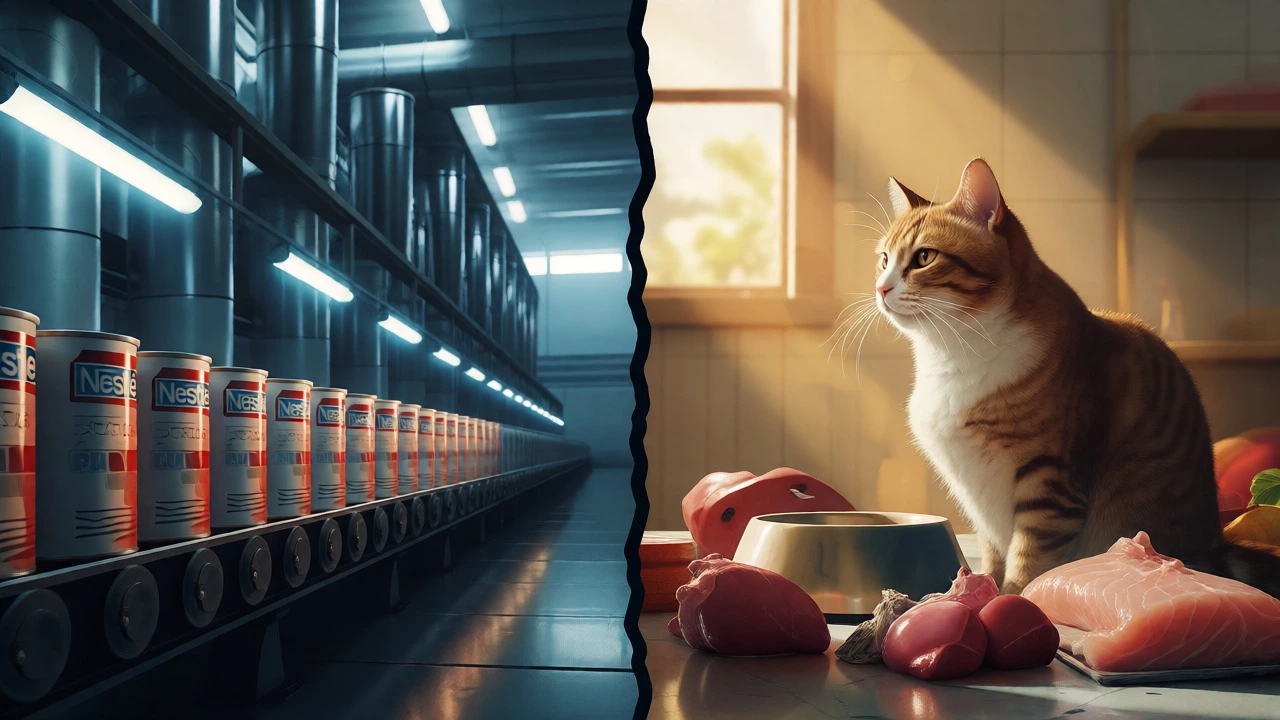
We can’t ignore the elephant in the room: Nestlé. As a global giant, Nestlé faces scrutiny on sustainability, ethical sourcing, and corporate practices. Some consumers boycott Purina products not because of the food itself, but because of broader corporate values. This adds another layer to the "controversy." It’s not just about what’s in the bowl; it’s about who owns the bowl.
For others, the brand’s stability is a plus. During supply chain crises, big brands like Purina often maintain stock when smaller competitors vanish. Reliability matters. If you rely on weekly grocery runs, having a dependable brand available saves stress. Weighing ethics against convenience is a personal choice, but acknowledging it helps clarify your stance.
Is Fancy Feast actually bad for cats?
No, it’s not inherently bad. It meets AAFCO nutritional standards and is safe for most healthy cats. However, critics argue it contains more fillers and less transparent protein sources than premium alternatives. It’s considered a mid-tier option-better than bargain-bin kibble, but not top-tier biologically appropriate food.
Why was Fancy Feast recalled in 2025?
Certain varieties were voluntarily recalled due to potential contamination with Listeria monocytogenes. This bacteria can cause illness in cats and pose a zoonotic risk to humans handling the food. The recall was limited to specific production dates and lot numbers.
Are meat by-products bad for cats?
Not necessarily. By-products include nutrient-rich organs like liver and heart, which are beneficial. The concern is vagueness; without knowing the exact source, some owners prefer named muscle meats. For many cats, by-products digest well and provide essential nutrients.
Can I feed Fancy Feast to a diabetic cat?
Proceed with caution. While wet food is generally better for diabetics than dry, some Fancy Feast varieties have moderate carbohydrate levels. Check the dry matter basis carb count and consult your vet. Low-carb specific lines may be safer than standard classic varieties.
How do I check if my can was recalled?
Look for the lot code stamped on the bottom or side of the can. Visit the official Purina recall page or the FDA website to cross-reference this code with active recall notices. Keep receipts until you’ve verified the batch.