Puppy Routine Planner
- Puppies need naps throughout the day. Overtired puppies become hyperactive.
- Keep interactions calm during the first few days.
- Use consistent cues like "go potty" to build communication.
Bringing home a new puppy is exciting, but the first two days can feel chaotic. You might be overwhelmed by their energy, their need for constant attention, and the fear of doing something wrong. The goal during these initial 48 hours isn't to train them perfectly or establish a rigid routine immediately. Instead, it's about helping them feel safe, establishing basic boundaries, and setting up an environment where they can learn without stress. Think of this period as the foundation for your future relationship.
Preparation Before They Arrive
You cannot manage a puppy effectively if your home isn't ready. Before you pick up your new companion, ensure the space is puppy-proofed. Puppies are curious explorers who use their mouths to understand the world. This means checking baseboards for chew marks, securing loose wires, and moving toxic plants out of reach. Puppy proofing is the process of removing hazards from a living space to prevent injury or ingestion of dangerous items. It requires a low-angle perspective; crawl on your hands and knees to see what a small dog sees. If it looks tempting to a puppy, secure it.
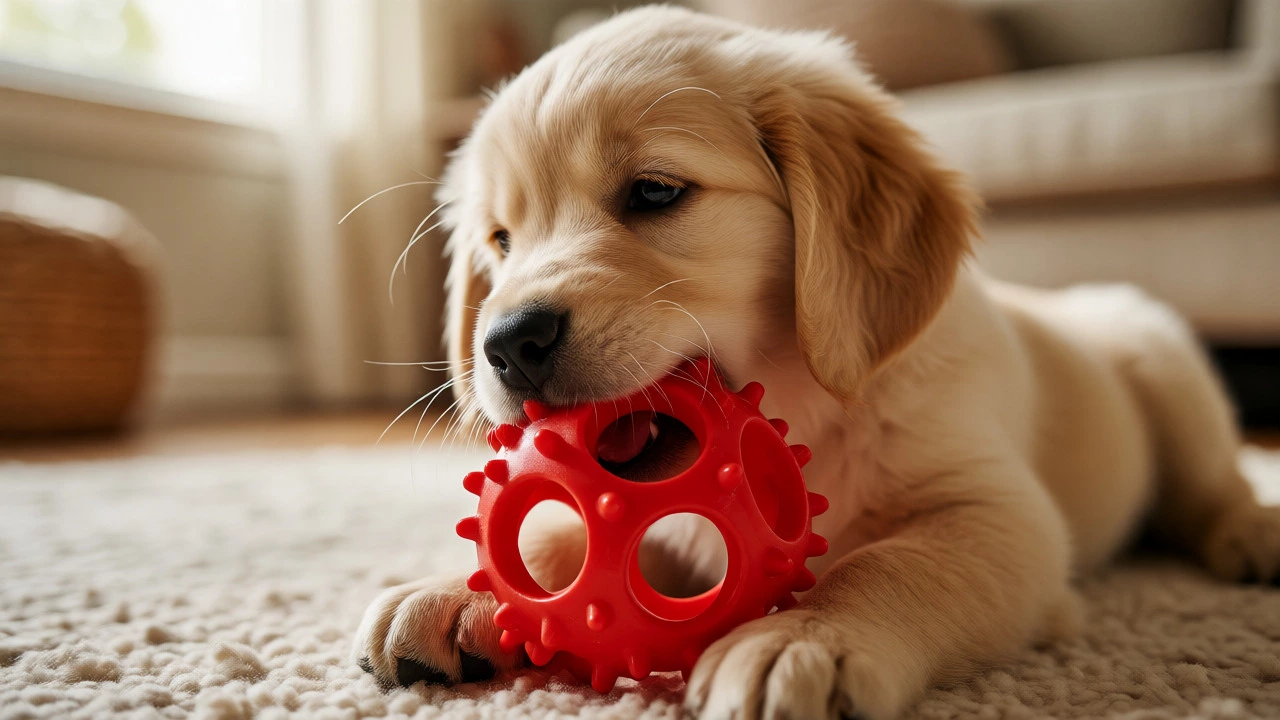
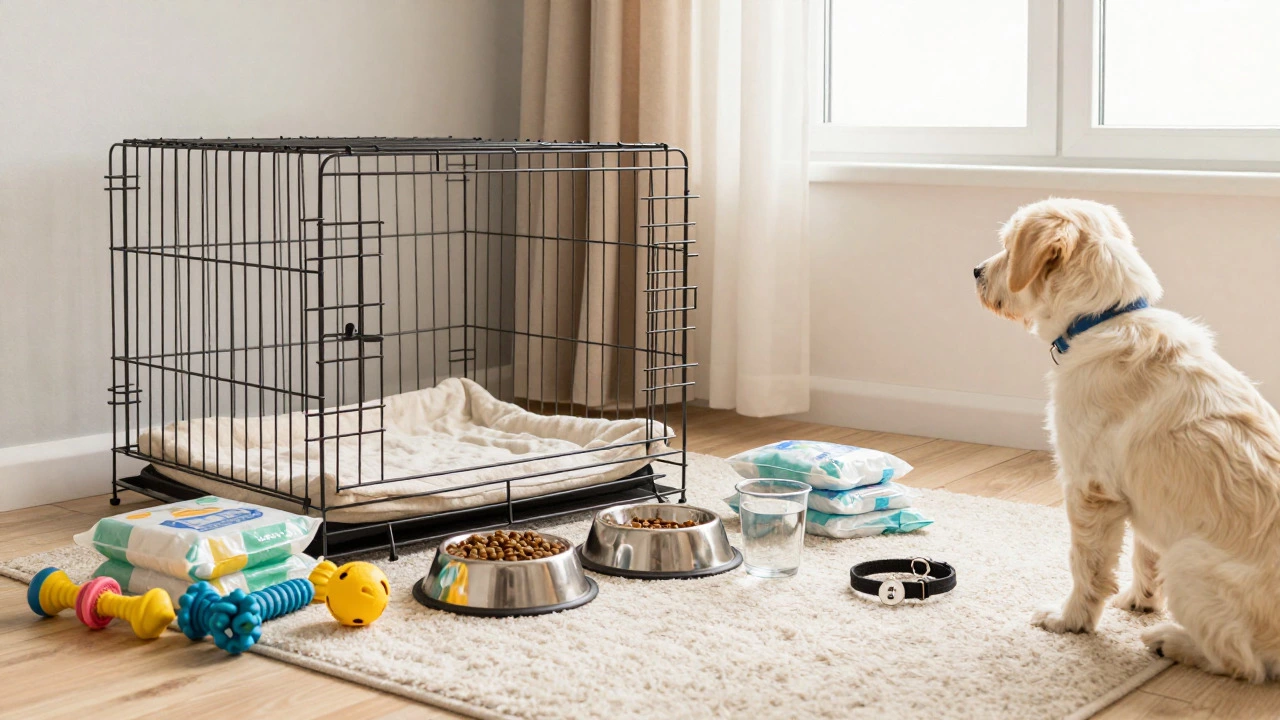
Gather essential supplies before day one. You will need a crate, which serves as a den-like safe space, not a punishment box. A high-quality puppy bed provides comfort, while puppy toys help redirect chewing behavior away from furniture. Specific types of toys, such as rubber chew toys filled with peanut butter, keep their minds engaged. Additionally, prepare food bowls, a collar with ID tags, and waste bags. Having everything within arm's reach prevents frantic searching when the puppy needs something urgently.
The First Few Hours: Arrival Day
When you bring the puppy home, resist the urge to show them every room immediately. Introduce them to one main area at a time, typically the living room or kitchen. Keep interactions calm and quiet. Speak softly and move slowly. High-energy greetings can overwhelm a young dog still adjusting to a new scent profile and environment. Let the puppy sniff around at their own pace. Offer treats to create positive associations with your presence and the new space.
Feed the puppy their regular food for the first few days. Changing their diet too quickly can cause digestive upset, adding stress to an already stressful transition. If you plan to switch brands later, do so gradually over a week. After eating, take them outside to eliminate. Puppies often need to go shortly after meals, naps, or play sessions. Establishing this pattern early helps with house training. Use a consistent cue like "go potty" to build communication.
Establishing Sleep Routines
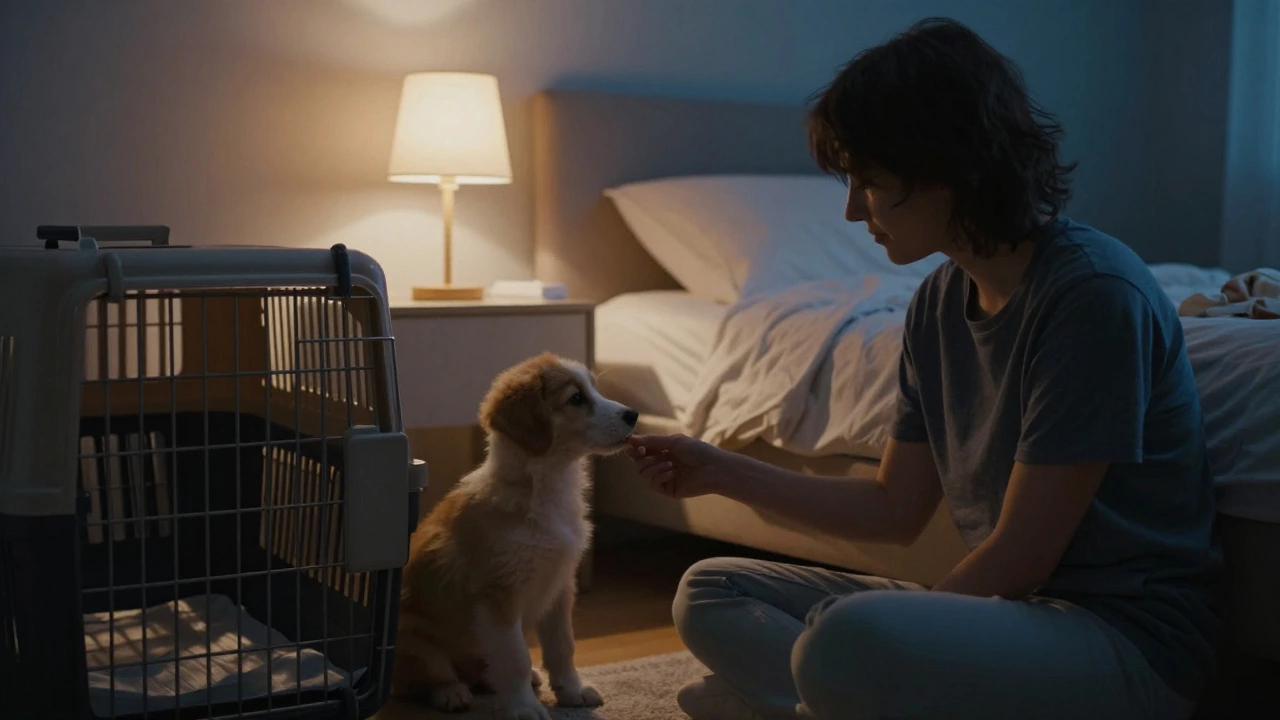
Sleep is crucial for puppy development. Their brains process information during rest, so adequate sleep supports learning. Place the crate in a quiet corner of your bedroom for the first night. The proximity to you provides comfort and allows you to hear if they wake up. Crate training involves teaching the puppy that the crate is a safe place. Start by placing treats and toys inside. Close the door briefly while you are nearby, then gradually increase the duration. If the puppy cries, wait a moment before responding to avoid reinforcing whining. However, if they seem distressed for more than ten minutes, check in calmly. Most puppies settle down once they realize you aren't going to rush to them for every whimper.
Expect some waking up during the night. This is normal. Take them outside directly to the elimination spot, keep lights dim, and return them to the crate quietly. Avoid playing or giving excessive attention during nighttime breaks. This teaches them that night is for sleeping, not socializing. Over the next few weeks, you can gradually move the crate further from your bed as they become more confident.
Daily Routine and Socialization
By the second day, you can start establishing a predictable daily routine. Consistency reduces anxiety. A typical schedule includes feeding times, bathroom breaks, play sessions, and nap periods. Puppies generally need naps throughout the day; overtired puppies become hyperactive and destructive. Aim for short bursts of activity followed by rest. For example, 15 minutes of playtime should be followed by 30 minutes of quiet time in the crate or a designated area.
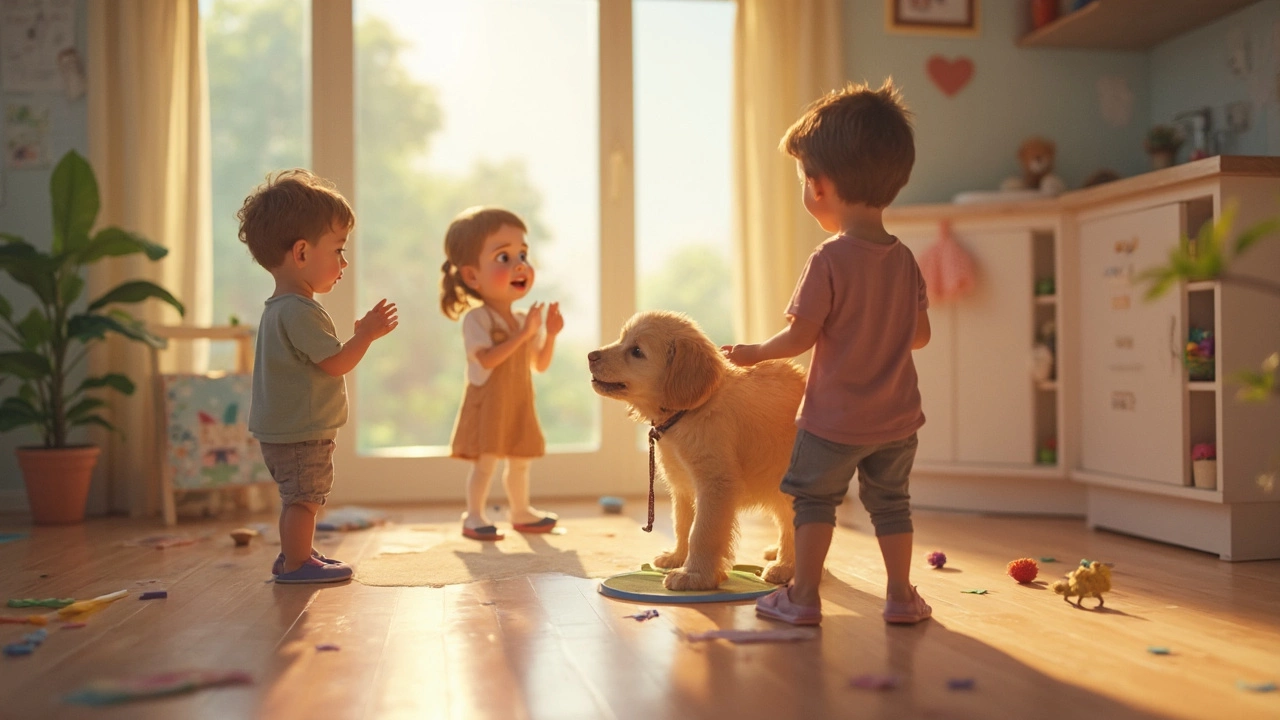
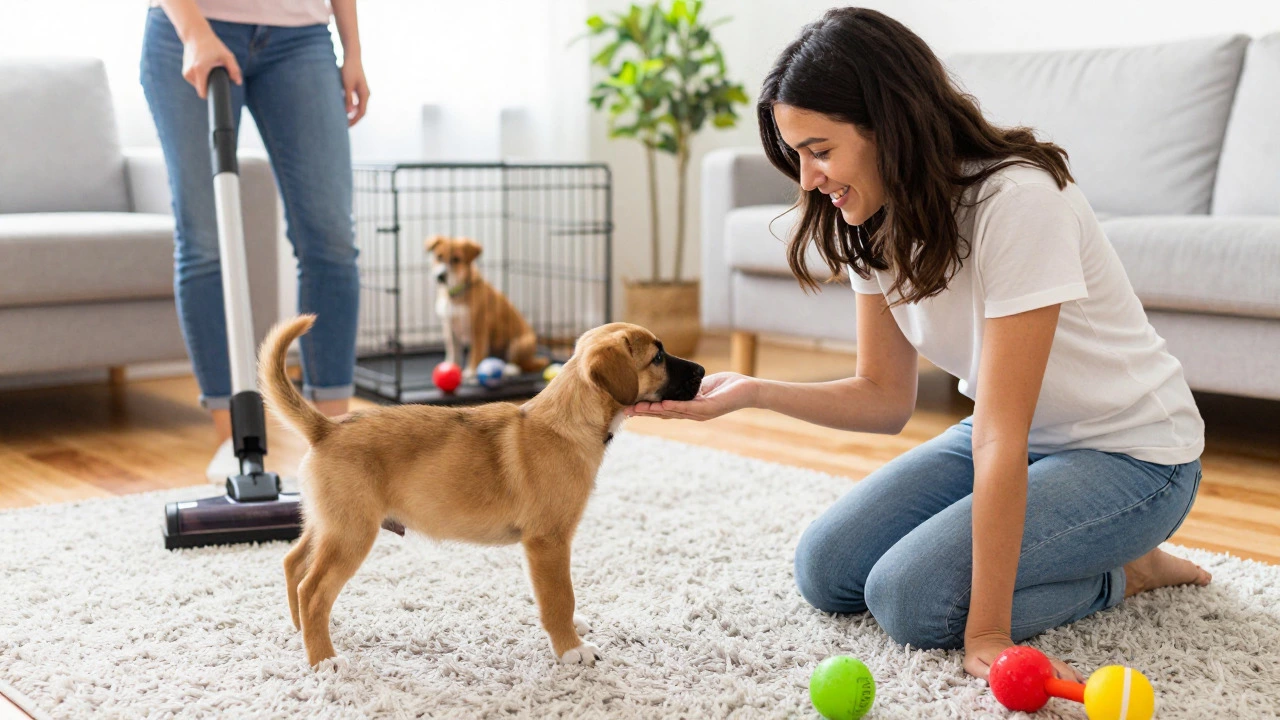
Socialization begins at home. Expose the puppy to different textures, sounds, and people in a controlled manner. Let family members interact gently, using treats to reward calm behavior. If you have other pets, introduce them slowly through a gate or barrier initially. Supervise all interactions closely. Positive socialization builds confidence and prevents reactivity later in life. Remember, socialization isn't just about meeting other dogs; it's about getting comfortable with everyday stimuli like vacuum cleaners, umbrellas, and different surfaces.
Nutrition and Hydration
Proper nutrition supports growth and energy levels. Choose a high-quality puppy food formulated for their breed size. Large-breed puppies require different nutrients than small-breed puppies to support joint health. Follow the feeding guidelines on the bag, adjusting based on your vet's advice. Divide meals into three or four smaller portions per day for young puppies. This keeps their blood sugar stable and prevents bloating. Always provide fresh water, ensuring the bowl is clean and accessible. Monitor their stool consistency; changes can indicate dietary issues or stress. If diarrhea persists beyond a couple of days, consult your veterinarian.
| Item | Purpose | Key Consideration |
|---|---|---|
| Crate | Safe sleeping space | Size should allow standing and turning only |
| Puppy Toys | Mental stimulation and chewing outlet | Durable, non-toxic materials preferred |
| Food Bowls | Feeding and hydration | Stainless steel is easiest to clean |
| Collar and Leash | Identification and control | Adjustable fit for growing necks |
| Waste Bags | Clean-up | Keep extra supply in bag for walks |
Health Checks and Veterinary Visit
Before bringing the puppy home, ensure they have received their first set of vaccinations from the breeder or shelter. Schedule a veterinary appointment within the first week. The vet will perform a physical exam, check for parasites, and discuss a vaccination schedule. Bring any records from the previous owner. During the visit, ask questions about spaying/neutering timelines and microchipping. Early veterinary care establishes a baseline for health and gives you a trusted professional to call if concerns arise.
Common Mistakes to Avoid
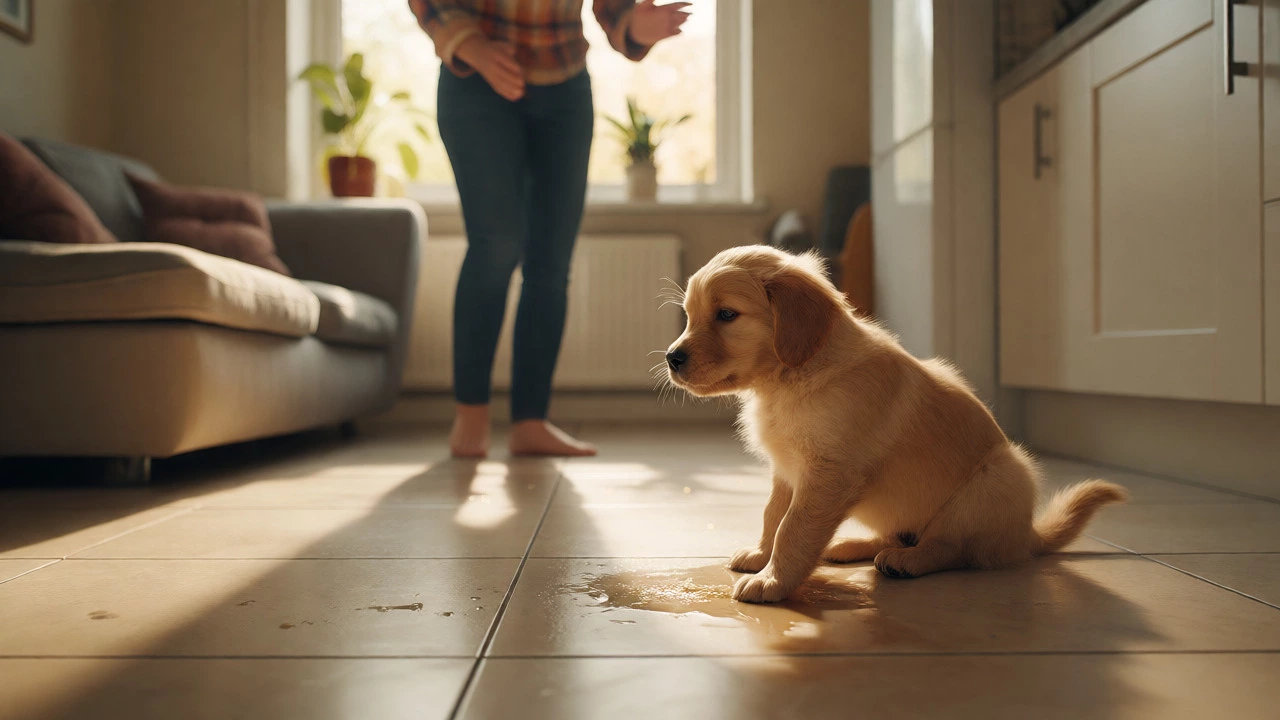
New owners often make mistakes that can hinder progress. One common error is inconsistent rules. If the puppy is allowed on the couch one day and forbidden the next, confusion ensues. Decide on household rules early and enforce them consistently. Another mistake is over-punishing accidents. House training takes time, and accidents are part of the process. Punishment creates fear rather than understanding. Instead, focus on rewarding correct behavior. Finally, don't expect perfection. The first 48 hours are about starting, not finishing. Be patient with yourself and your puppy.
How many times should I feed a new puppy?
Most puppies under six months old should be fed three to four times a day. As they grow older, you can reduce this to twice daily. Always follow the specific instructions on your chosen food brand and consult your vet for personalized advice.
Should I let my puppy sleep in my bed the first night?
It is generally recommended to keep the puppy in a crate near your bed for the first few nights. This helps with house training and establishes boundaries. Once they are settled, you can decide if bed-sharing suits your lifestyle, but starting with separate spaces is safer for both parties.
What type of toys are best for a new puppy?
Durable rubber chew toys and interactive puzzle toys are excellent choices. Look for toys made from non-toxic materials that can withstand heavy chewing. Avoid small parts that could be swallowed. Rotating toys keeps them interesting and prevents boredom.
How long does it take for a puppy to settle in?
Most puppies begin to settle in within the first week, but full adjustment can take up to three months. The first 48 hours are critical for building trust. Patience and consistency are key during this entire period.
Do I need to crate train my puppy immediately?
Yes, introducing the crate gradually from day one is highly recommended. It provides a safe den-like space and aids in house training. Start with short, positive sessions to build a good association with the crate.