Puppy Name Training Simulator
Control Panel
Follow the steps. Don't repeat the name!
Why Your Puppy Ignores You (And How to Fix It)
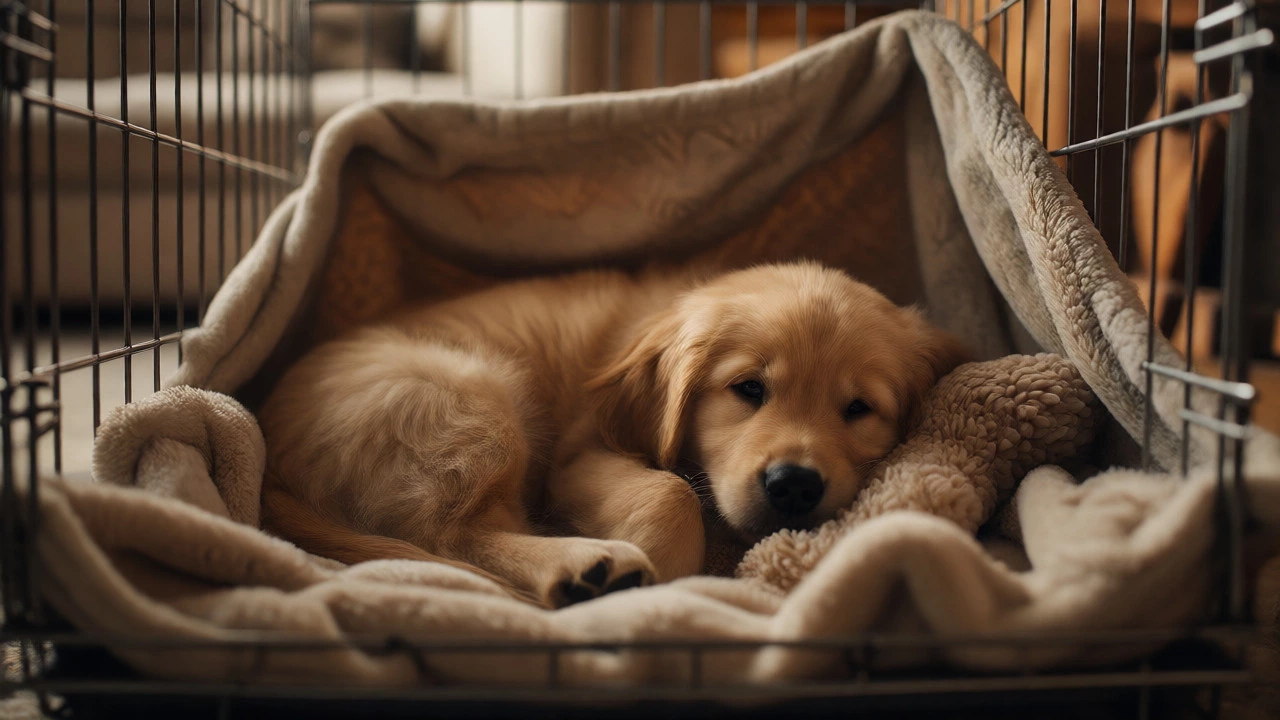
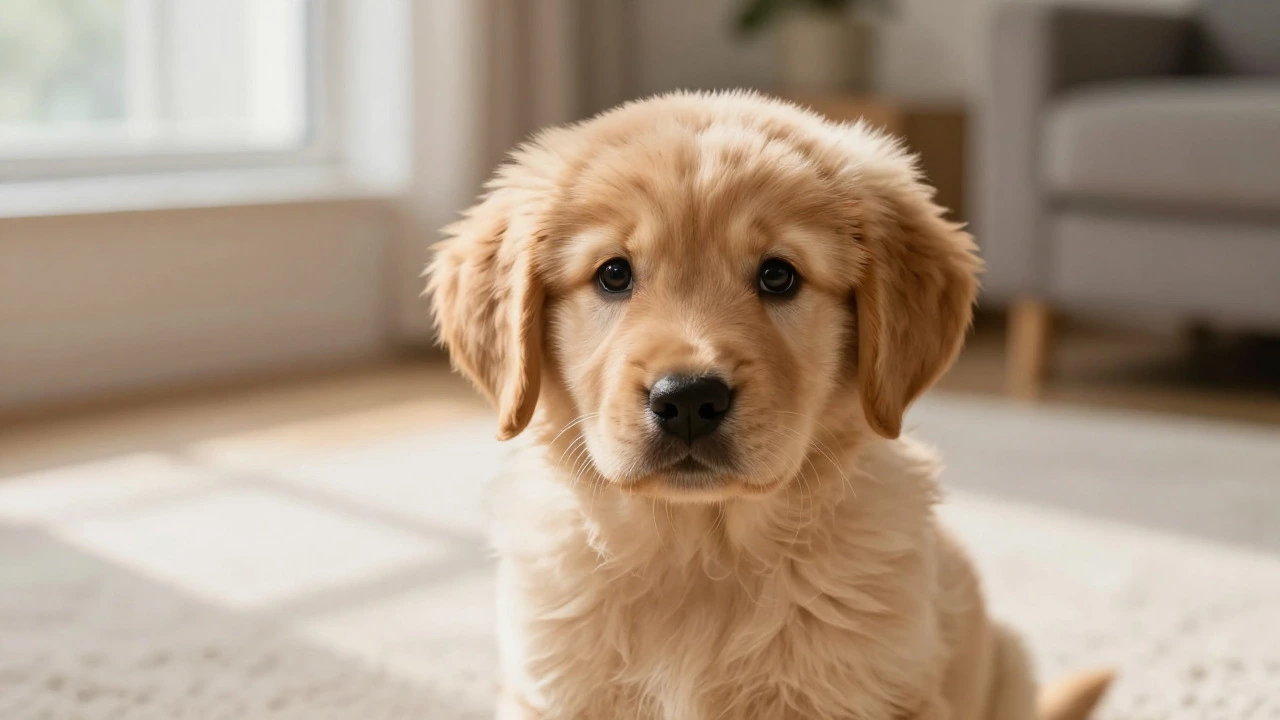
You bring home a fluffy, wiggly 8-week-old puppy is a young dog between 56 and 84 days old who is in the critical socialization window, and you’re ready for that magical moment when they trot over because you said their name. Instead, you get silence. Or worse, they look at you with blank eyes and keep chewing your shoe. It’s frustrating, but it’s also completely normal. At eight weeks old, your puppy doesn’t know what "Bella" or "Max" means yet. To them, it’s just a bunch of sounds mixed in with the noise of the world.
The good news? This is one of the easiest things to teach. In fact, teaching your puppy their name is the foundation for every other command you’ll ever learn. If they don’t respond to their name, you can’t ask them to sit, stay, or come. Let’s break down exactly how to make that connection stick, using methods that work with their tiny brain chemistry.
The Science Behind the Name Game
Before you start repeating their name like a broken record, it helps to understand how a puppy learns. Puppies use classical conditioning is a learning process where a neutral stimulus becomes associated with a meaningful stimulus to produce a conditioned response. Think of it like Pavlov’s dogs, but instead of salivating at a bell, your puppy should perk up their ears at their name.
When you say "Luna," that sound is currently neutral. It has no meaning. But if you consistently pair the sound "Luna" with something amazing-like high-value treats, play, or affection-their brain starts to wire those two things together. Eventually, the name itself triggers excitement and attention. This is why yelling their name when they’ve done something wrong kills the progress. You want their name to predict good things, not trouble.
Setting Up for Success: The Right Environment
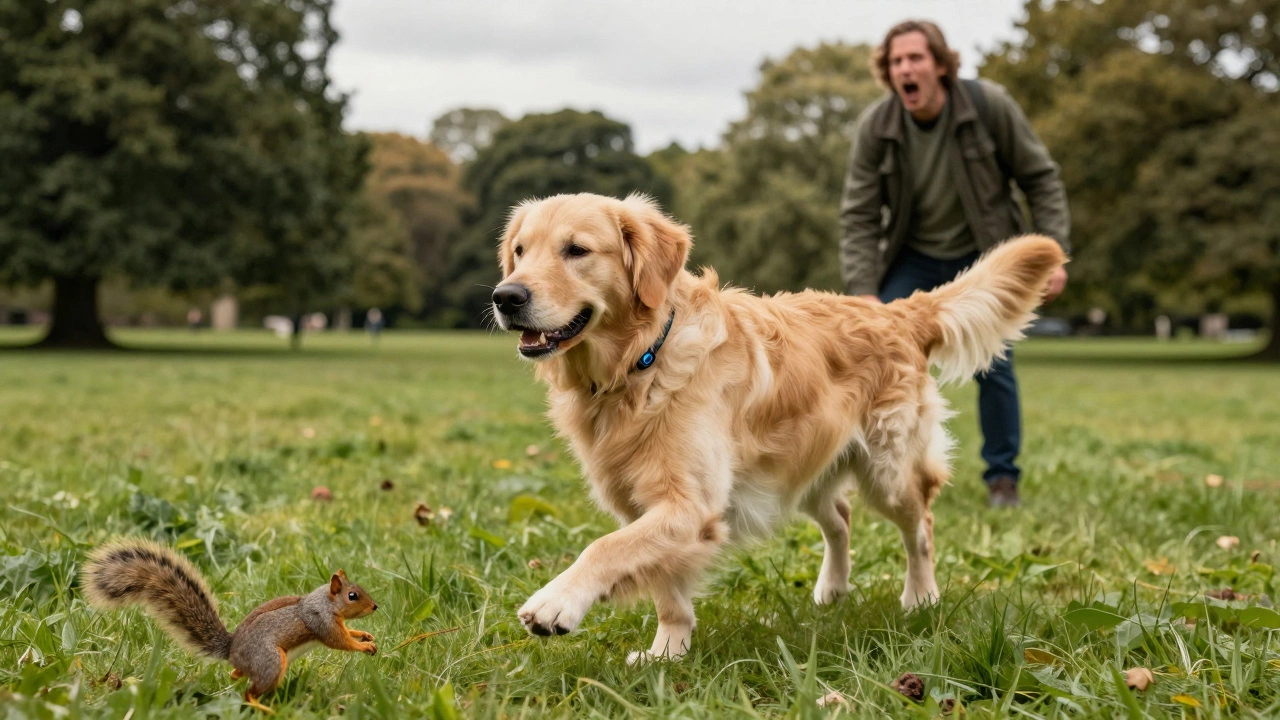
Training isn’t about willpower; it’s about environment management. An 8-week-old puppy has an attention span of roughly 30 seconds to 2 minutes. If you try to train them in a busy park with squirrels running around, you’re setting yourself up for failure. Start small.
- Quiet Room: Begin in a boring room with minimal distractions. A carpeted living room or a quiet bedroom works best.
- No Interruptions: Turn off the TV and put your phone away. You need their full focus, and they need yours.
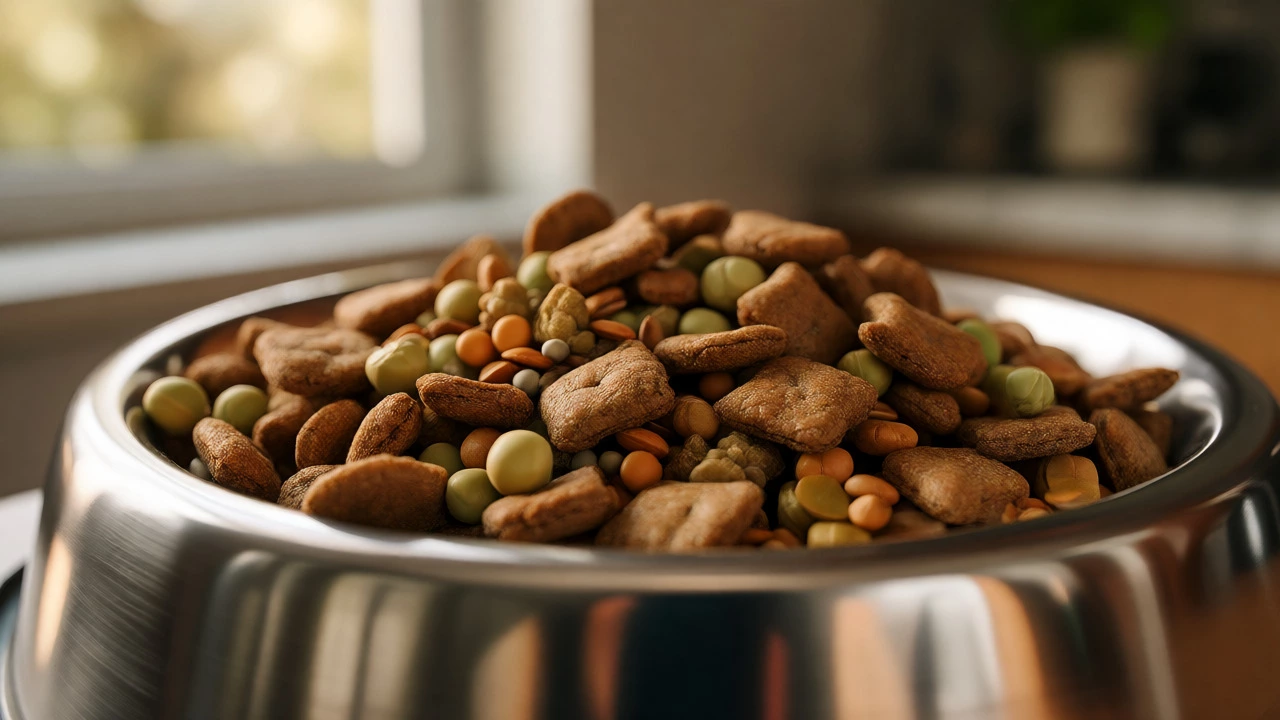
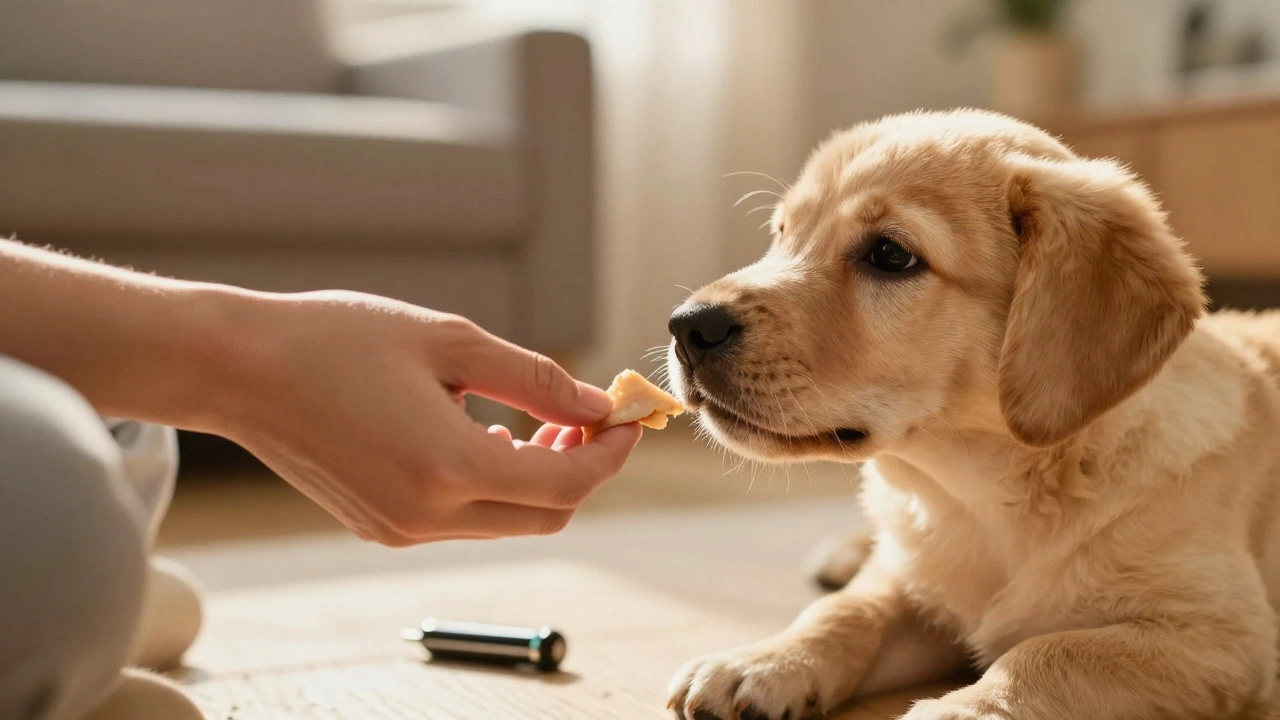
- High-Value Rewards: Kibble from their dinner bowl won’t cut it initially. Use soft, smelly treats like boiled chicken, cheese cubes, or commercial training treats. These are currency in puppy land.
If you’re using puppy toys are specialized chewable objects designed for teething puppies to soothe gums and provide mental stimulation, keep them separate during name training. Toys are great for recall later, but food is usually more motivating for initial attention capture. Save the tug rope for after they’ve mastered looking at you on cue.
Step-by-Step: Teaching the Name Response
This process takes patience, but you can see results in as little as three days if you’re consistent. Here is the exact protocol I recommend for new owners.
- Say the Name Once: Sit next to your puppy. Say their name clearly and cheerfully once. Do not repeat it. "Buddy." Just that.
- Wait for Eye Contact: Watch their face. The second their eyes meet yours, even for a split second, mark it.
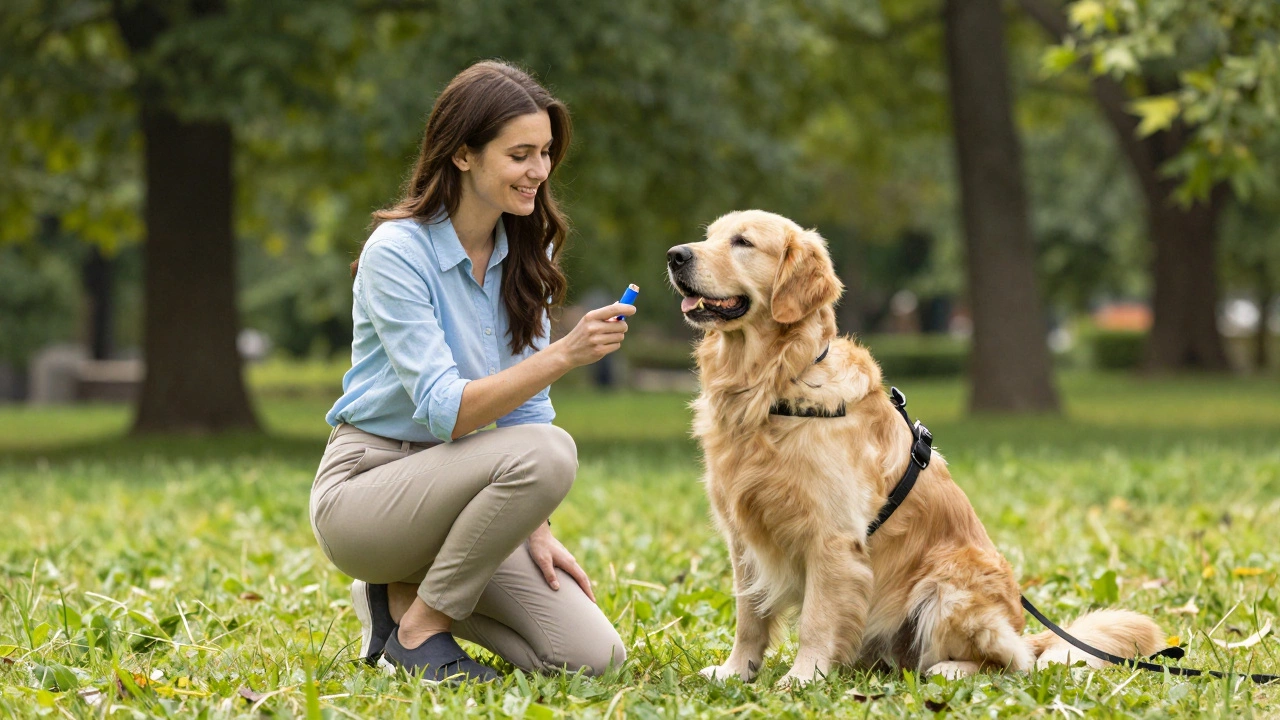
- Mark and Reward: Use a marker word like "Yes!" or a clicker is a small handheld device that makes a distinct clicking sound to precisely mark desired behavior in animal training. Immediately follow the mark with a treat delivered right to their nose.
- Repeat: Pause for 10 seconds, then go back to step one.
Do this for 5 to 10 repetitions per session. Keep sessions short. Five times a day is better than one hour-long marathon. If your puppy looks away, don’t nag. Just wait until they look back, then mark and reward. You are rewarding the act of looking at you, not ignoring you.
Leveling Up: Adding Distance and Distractions
Once your puppy reliably looks at you when you say their name in a quiet room, it’s time to increase the difficulty. This is called proofing. If you skip this step, your puppy will only know their name in the kitchen.
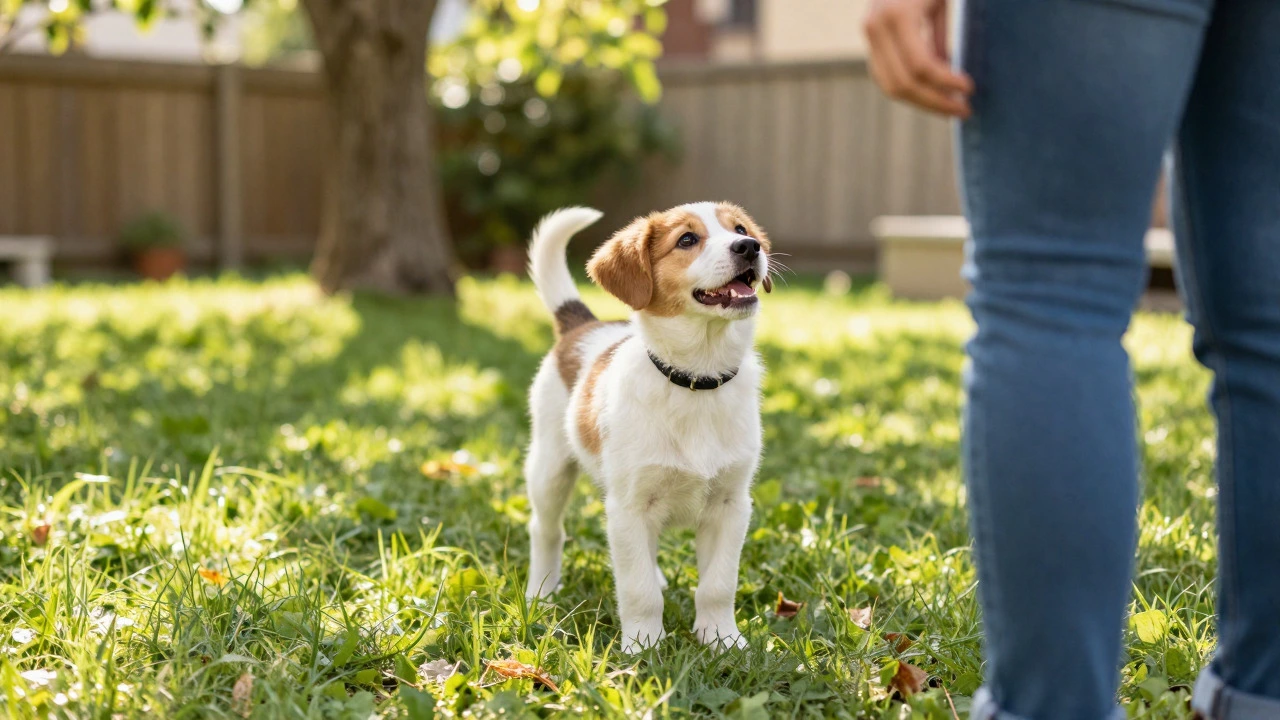
Start by taking one step back. Say the name. If they look, mark and reward. Gradually increase the distance across the room. Then, move to a different room. Next, try it outside in the backyard. Each new environment resets their knowledge level slightly, so be prepared to go back to high-frequency rewards.
A common mistake here is calling the puppy over. When you’re teaching the name, you only want them to look at you. Don’t call them to come to you yet. That’s a separate command. If you say "Rex, come!" and they don’t come, you’ve diluted the power of the name. Stick to: Name = Look at me. Reward.
Common Mistakes That Sabotage Training
I’ve seen many well-meaning owners struggle because of these subtle errors. Avoid them, and you’ll save weeks of frustration.
- Repeating the Name: Saying "Cooper, Cooper, Cooper, Cooper" teaches the puppy that the first five times you say it, they can ignore it. Only say it once. If they don’t respond, change your strategy, don’t spam the name.
- Using the Name for Scolding: Never call your puppy over to scold them. If you find them chewing the sofa, walk over quietly without saying their name, interrupt the behavior, and redirect. If you always say their name before bad things happen, they’ll learn to freeze or hide when they hear it.
- Inconsistent Pronunciation: Decide on the pronunciation now. If you call him "Oliver" but grandma calls him "Ollie," the puppy gets confused. Pick one primary name for training purposes.
Integrating Name Training into Daily Life
Training shouldn’t feel like a chore. You can weave it into your daily routine. Every time you pick up their food bowl, say their name. Every time you grab the leash for a walk, say their name. Every time you want to pet them, say their name.
This creates hundreds of repetitions throughout the day without formal "sessions." It reinforces the idea that hearing their name leads to life’s best experiences: eating, walking, and cuddling.
Remember, an 8-week-old puppy is still adjusting to their new home. They might be tired, overwhelmed, or distracted by teething pains. Be patient. Consistency beats intensity every time. Within a few weeks, that blank stare will turn into an eager tilt of the head, and you’ll have built the trust required for all future training.
How long does it take to teach a puppy its name?
Most puppies begin responding to their name within 3 to 7 days of consistent training. However, full reliability in distracting environments may take several weeks. The key is short, frequent sessions rather than long, infrequent ones.
Should I use a clicker to teach my puppy its name?
A clicker can be very effective because it provides a precise marker for the exact moment the puppy makes eye contact. However, a verbal marker like "Yes!" works just as well if used consistently. Choose the method that feels most natural for you.
What if my puppy ignores me when I say their name?
If your puppy ignores you, reduce distractions and go back to basics. Ensure you are using high-value treats. Make sure you aren't repeating the name multiple times. Wait for any glance in your direction and reward it immediately to rebuild the association.
Can I use treats forever to get my puppy's attention?
Initially, yes. As the behavior becomes stronger, you can switch to intermittent reinforcement. This means rewarding every other time, then every third time. Eventually, praise and petting may be enough, but having treats handy for high-distraction situations is always smart.
Is it too early to train an 8-week-old puppy?
No, it is the perfect time. Eight weeks is the prime age for socialization and basic impulse control. Their brains are highly plastic and eager to learn. Short, fun training sessions build confidence and strengthen your bond without overwhelming them.