Puppy Bladder Control & Interruption Guide
Enter your puppy's age in months to estimate how long they can physically hold their bladder.
Estimated Capacity:
Max Hold Time:
Suggested Potty Breaks:
Caught them in the act? Answer these questions to decide if you should interrupt or let them finish.
Recommendation:
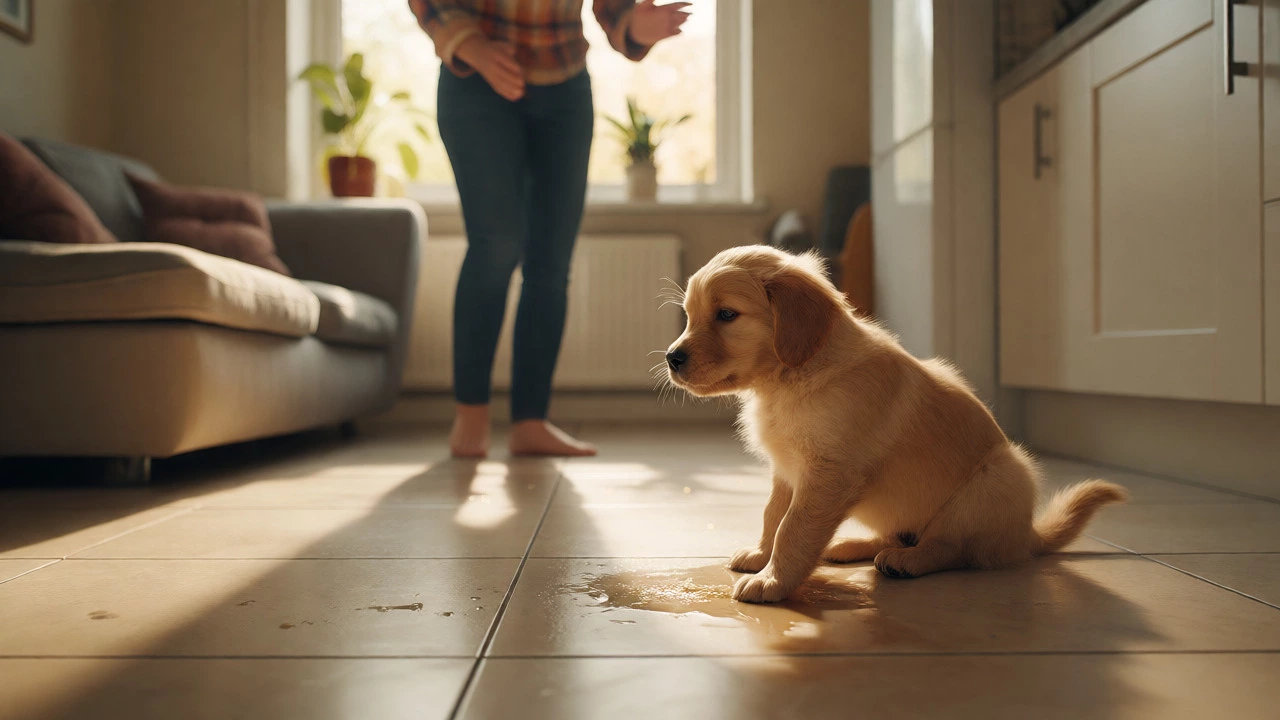
You’re sitting on the sofa, scrolling through your phone, when you hear that distinct sound. It’s the frantic scratching at the door followed by the unmistakable stream of urine hitting your kitchen tiles. Your instinct screams: Stop! Do you rush over and clap your hands? Do you pick up the puppy mid-stream? Or do you freeze, hoping they finish so you can praise them outside?
This is one of the most common dilemmas for new dog owners in Bristol and beyond. The advice online is contradictory. Some say never interrupt; others say you must catch them in the act to teach boundaries. So, what is the right move? The short answer is: it depends entirely on timing and intent. Interrupting a puppy peeing inside isn’t about punishment-it’s about communication. But if you get it wrong, you can create a dog who is afraid to pee in front of you, leading to secret accidents behind the sofa.
The Risk of Startling Your Puppy
Dogs are sensitive creatures. Their bladder control is still developing, especially in pups under six months old. If you scream or clap loudly while they are urinating, you risk creating a negative association with the act itself. This condition is often called "submissive urination" or, more accurately in this context, "fear-based inhibition."
Imagine you are trying to use the toilet, but every time you start, someone jumps out yelling "NO!" You wouldn’t stop having accidents; you’d just wait until no one was looking. Puppies do the same thing. If you consistently interrupt their flow with noise, they learn that peeing in front of humans is dangerous. They will hold it in while you watch, then sneak off to the bedroom or under the bed to relieve themselves once you’ve left the room. This makes housebreaking significantly harder because you lose visibility on when they actually need to go.
When Interrupting Is Actually Helpful
Despite the risks, there are scenarios where a gentle interruption is necessary. This usually happens when the puppy has already had an accident indoors repeatedly, and you are trying to break a habit loop. If you see your puppy squatting in the corner of the living room-a spot they have chosen three times this week-you need to break their focus.
The key here is subtlety. You don’t want to scare them; you want to redirect them. A sharp, low-toned "Ah-ah" or a quick whistle works better than a loud clap. The goal is to make them pause, look at you, and then immediately guide them outside. Once they finish peeing outdoors, you reward them heavily. This teaches them that stopping inside and going outside equals treats, not fear.
Reading the Body Language Before You Act
The best way to avoid the dilemma is to prevent the accident before it starts. Most puppies give clear signals before they need to eliminate. Learning to read these cues is far more effective than reacting after the fact. Common signs include:
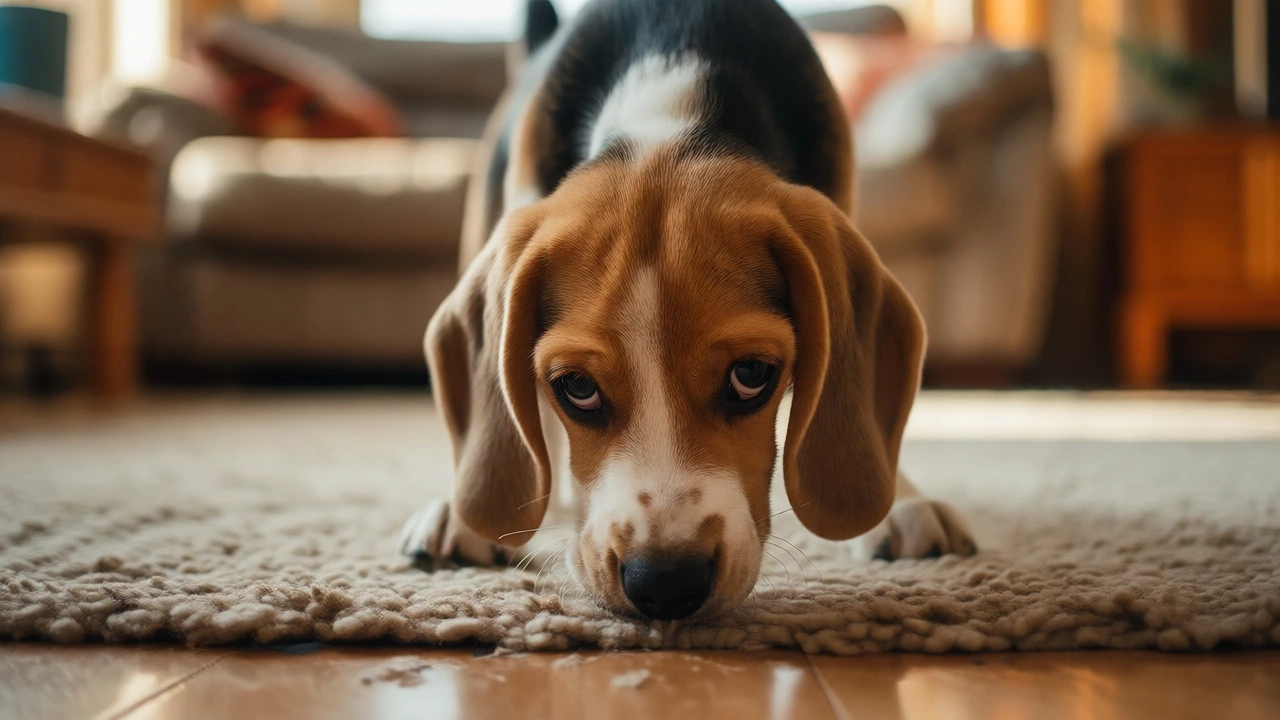
- Sudden sniffing: The puppy lowers their head and sniffs the ground intently, often circling in a tight pattern.
- Restlessness: They may whine, scratch at doors, or seem unable to settle down.
- Leaving the room: If your puppy walks away from play or sleep toward a specific corner, follow them quietly.
- Posture change: They may stiffen their legs or lower their rear end slightly before squatting.
If you catch any of these signs, you have a window of about 10-30 seconds. Pick them up (if small enough) or lead them calmly to the designated potty area. This proactive approach eliminates the need to interrupt mid-stream almost entirely.
The "Secret Peeker" Syndrome
A major pitfall of aggressive interruption is what trainers call "secret peeker" syndrome. This occurs when a dog learns to suppress the urge to urinate in the presence of people. You might think your puppy is perfectly housebroken because they never have an accident while you are watching. But when you come home from work, you find puddles hidden behind curtains or under furniture.
To test for this, observe your puppy closely during quiet moments. Are they holding a full bladder for hours despite frequent opportunities to go out? If yes, you may have been too harsh in previous interruptions. The fix requires patience. You must rebuild trust by rewarding them generously for peeing outside, even if it takes them ten minutes to finally go. Never punish an indoor accident you didn’t see happen. Clean it up with an enzymatic cleaner and increase supervision.
How to Interrupt Correctly: Step-by-Step
If you do need to interrupt, follow this protocol to minimize stress and maximize learning:
- Make a neutral noise: Use a consistent sound like a whistle or a soft "Oops." Avoid angry tones.
- Do not touch them: Grabbing a puppy mid-peeing can cause physical discomfort or anxiety. Let them finish the current stream if possible, or gently block their path without touching.
- Guide, don’t drag: Lead them quickly but calmly to the outdoor potty spot.
- Wait for completion: Often, they will finish the rest of their business outside. If they don’t, take them back inside briefly and try again in 5 minutes.
- Reward heavily: As soon as they finish outside, give high-value treats and enthusiastic praise. This reinforces the correct location.
Cleaning Up After Accidents
No matter how careful you are, accidents will happen. How you clean matters as much as how you react. Regular household cleaners often leave behind ammonia-like smells that mimic urine to a dog’s nose. This encourages them to mark the same spot again.
Always use an enzymatic cleaner designed specifically for pet stains. These products break down the uric acid crystals that standard detergents miss. In my experience working with clients in Bristol, switching to enzymatic cleaners reduced repeat accidents in the same spot by nearly 70% within two weeks. Spray the area thoroughly, let it sit according to the label instructions, and blot dry. Do not rub, as this pushes the urine deeper into carpet fibers.
Age Matters: Bladder Control Development
Your expectations should match your puppy’s age. A general rule of thumb is that a puppy can hold their bladder for one hour per month of age, up to about eight hours. For example, a two-month-old puppy can only hold it for about two hours. If you are leaving them alone for four hours, expect accidents regardless of your training efforts.
| Puppy Age | Max Hold Time | Recommended Frequency |
|---|---|---|
| 8 Weeks | 1 Hour | Every 1-2 Hours |
| 3 Months | 3 Hours | Every 2-3 Hours |
| 6 Months | 6 Hours | Every 4-6 Hours |
| 9+ Months | 8+ Hours | Every 6-8 Hours |
Related Concepts and Connected Topics
Housebreaking is rarely an isolated issue. It connects deeply with crate training, routine establishment, and diet management. If your puppy is peeing frequently, check their water intake schedule. Free-feeding water can lead to constant urges. Instead, offer water at set times, especially removing it two hours before bedtime.
Also, consider the role of exercise. Mental and physical fatigue helps regulate bodily functions. A tired puppy is less likely to wander and mark randomly. Incorporate short play sessions before potty breaks to help stimulate bowel movements and urination.
Frequently Asked Questions
Is it bad to yell at my puppy for peeing inside?
Yes, yelling is generally counterproductive. It creates fear rather than understanding. The puppy associates the punishment with your presence, not the location. They may become afraid to pee when you are nearby, leading to hidden accidents elsewhere in the house. Calm redirection is always superior to shouting.
What if I catch my puppy peeing inside but they won't go outside?
This is common if the puppy is stressed or cold. Bring them back inside, supervise closely, and try taking them out again in 5-10 minutes. Sometimes, walking around the block helps stimulate the urge. Always reward any amount of peeing done outside, even if it’s just a few drops, to build confidence.
Should I rub my puppy's nose in their pee?
No. This old wives' tale does not work and can damage your bond with your dog. Dogs do not understand the connection between the smell on their nose and the past action. It causes confusion and fear. Simply clean the mess thoroughly and focus on preventing future accidents through supervision.
How long does puppy potty training take?
Most puppies are reliably housebroken between 4 and 6 months of age, but some take up to a year. Consistency is key. Small breeds often take longer due to smaller bladders. Celebrate small wins and remain patient during setbacks, which are normal parts of the learning process.
Does neutering affect potty training?
Neutering can reduce marking behaviors, particularly leg-lifting in males, but it doesn't automatically solve housebreaking issues. Hormonal changes occur gradually over several weeks post-surgery. Continue consistent training routines regardless of surgery status, as habits formed early persist unless actively retrained.
Next Steps for Success
Start by keeping a log for three days. Note every time your puppy eats, drinks, sleeps, and eliminates. Patterns will emerge quickly. You’ll likely notice they need to go within 15 minutes of waking up or eating. Use this data to preemptively take them out, reducing the chance of needing to interrupt. Remember, housebreaking is a marathon, not a sprint. Stay calm, stay consistent, and keep those treats handy.