Dog Flight Stress Calculator
Select Factors That Apply
Click on the factors that describe your dog and travel situation to calculate their estimated stress level.
Estimated Stress Level
Select factors above and click Calculate to see your dog's estimated stress level.
Personalized Recommendations
That moment you pull your carry-on bag out of the overhead bin and look down at your dog. Are they panting? Hiding under their chin strap? Or are they sitting calmly, looking around with curiosity? For millions of pet owners, this scene is a source of intense anxiety. You love your dog, but you know that airplanes are loud, pressurized, and confined spaces. The question isn't just "can" they fly in-cabin; it's whether the experience will traumatize them or simply be an uncomfortable day.
The short answer is yes, flying can be stressful for dogs. However, the degree of stress varies wildly depending on preparation, breed, age, and how you handle the logistics. Some dogs treat it like a car ride to the park; others suffer from severe panic. Understanding what drives that stress-and how to mitigate it-is the difference between a nightmare trip and a manageable adventure.
Why Airplanes Trigger Dog Anxiety
To manage stress, you first have to understand where it comes from. Dogs rely heavily on scent and sound to navigate their world. An airplane cabin disrupts both senses violently. The roar of jet engines creates a constant, low-frequency drone that humans filter out but dogs find deeply unsettling. The change in cabin pressure affects their ears, similar to the popping sensation you feel, but potentially more painful for sensitive breeds.
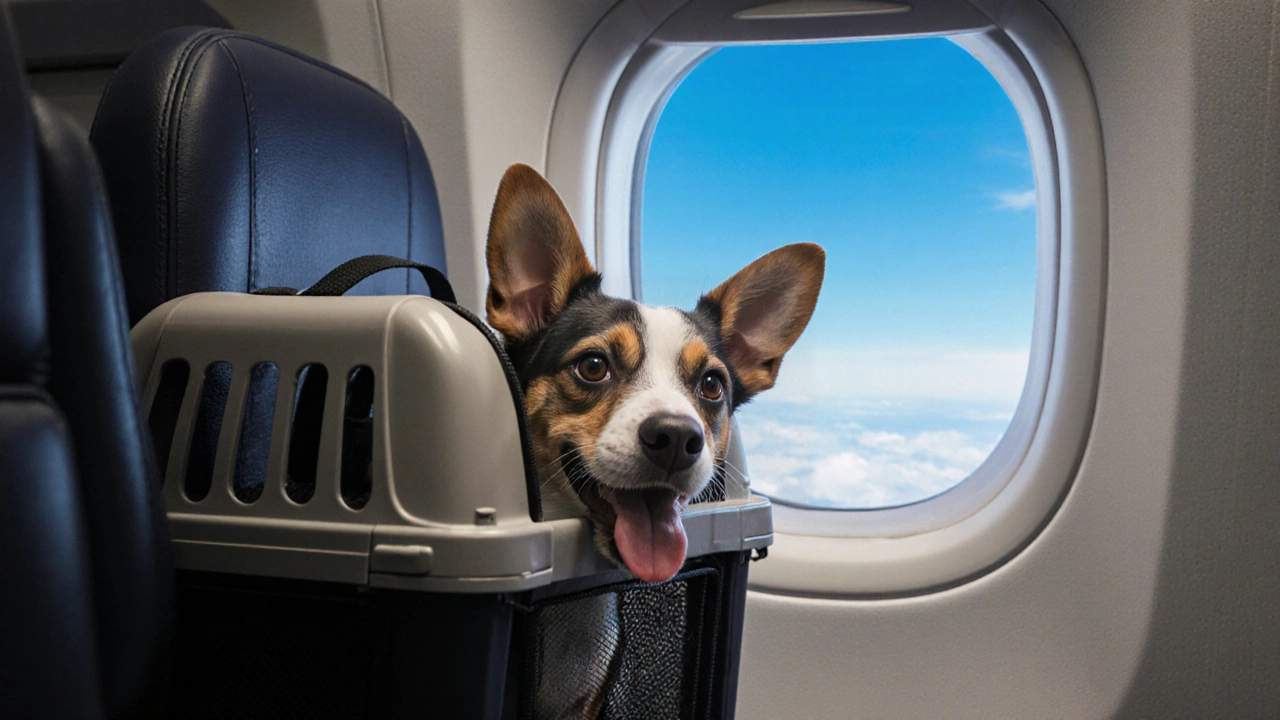
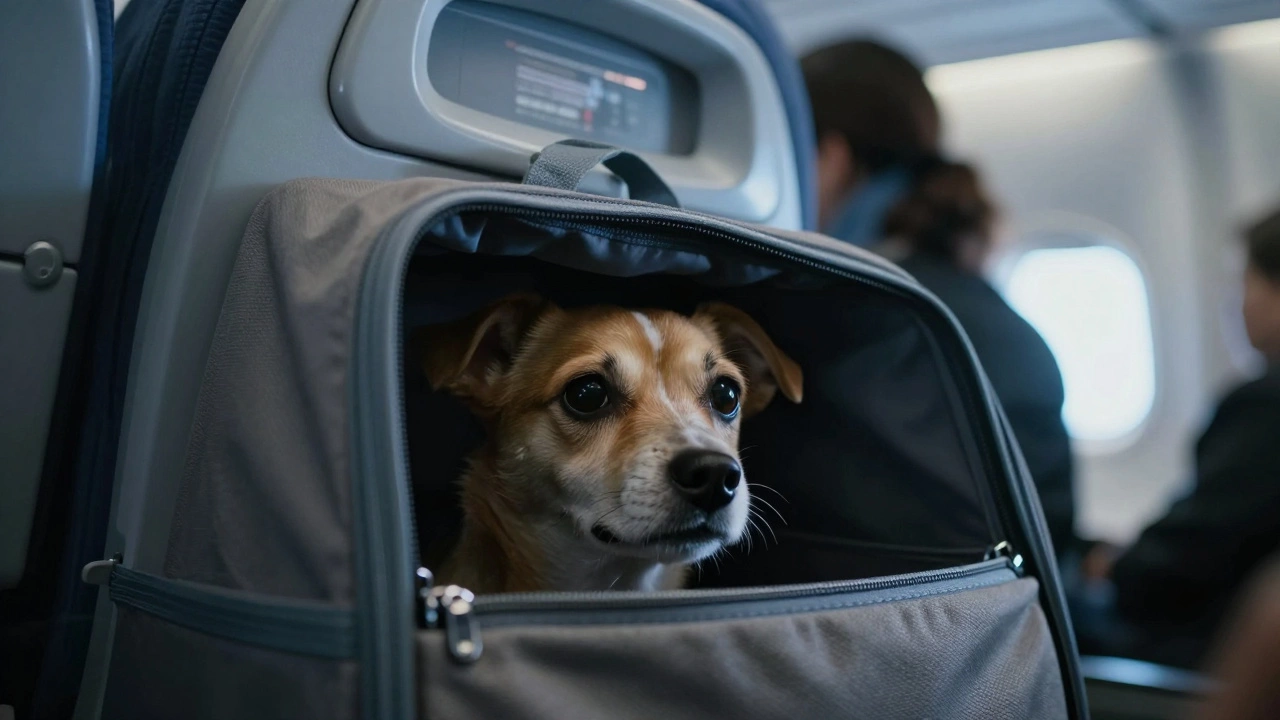
Then there is the confinement. Most airlines require dogs to stay in a soft-sided carrier under the seat for the entire duration of the flight. For a dog used to roaming freely, being trapped in a small box for hours triggers a primal fear response. Add to this the unfamiliar smells of other animals, cleaning chemicals, and recycled air, and you have a perfect storm for sensory overload.
Sensory Overload is the primary cause of canine distress during air travel, resulting from excessive noise, strange odors, and physical confinement in an unfamiliar environment. Recognizing these triggers allows you to prepare countermeasures before you even reach the airport.
Signs Your Dog Is Stressed (And How to Spot Them Early)
Dogs don't have words to tell you they're terrified, so you need to read their body language. Many owners mistake mild discomfort for severe panic, or worse, miss early warning signs because they're too focused on checking their boarding pass.
- Panting without heat: If your dog is panting heavily despite the cool cabin temperature, this is a classic sign of anxiety.
- Trembling or shaking: This indicates high-level fear. It’s different from shivering due to cold; it’s a full-body vibration.
- Whining or vocalizing: Occasional whines might be attention-seeking, but continuous, high-pitched crying suggests distress.
- Drooling excessively: While some dogs drool normally, sudden, heavy salivation in a closed carrier is a stress indicator.
- Refusal to eat or drink: Loss of appetite is common in stressed dogs. If your usually food-motivated dog ignores treats, take note.
- Dilated pupils: Even in dim lighting, wide eyes can signal fear.
If you notice these signs during pre-flight practice runs at home, you have time to adjust your strategy. Ignoring them until you're at the gate often leads to escalation once the plane doors close.
Airline Policies: The Rules That Shape the Experience
In 2026, most major carriers allow small dogs to fly in-cabin, but the rules are strict. Understanding these policies helps you avoid last-minute surprises that add unnecessary stress for both you and your pet.
| Factor | Typical Requirement | Impact on Stress |
|---|---|---|
| Weight Limit | 15-20 lbs (dog + carrier) | High if your dog is borderline; may force cargo option |
| Carrier Size | Fits under seat (approx. 18x14x8 inches) | Medium; ensures dog stays contained but limits comfort space |
| Fee Structure | $95-$150 each way | Low direct impact, but adds financial pressure |
| Health Certificate | Required for international/some domestic | High if vet visit causes pre-travel anxiety |
| Quiet Carrier Rule | Must remain zipped/closed | Critical; prevents visual stimulation which can calm or agitate |
Note that service animals are treated differently than emotional support animals (ESAs). As of recent regulatory changes, ESAs are no longer recognized as service animals by most US and UK airlines. They must comply with standard pet-in-cabin rules, including fees and carrier requirements. Always check the specific airline’s website for the latest updates, as policies shift frequently.
Preparing Your Dog: The Desensitization Process
You cannot walk into an airport with a dog that has never been in a carrier and expect calmness. Preparation starts weeks, not days, before your trip. The goal is desensitization-teaching your dog that the carrier and the associated activities are positive experiences.
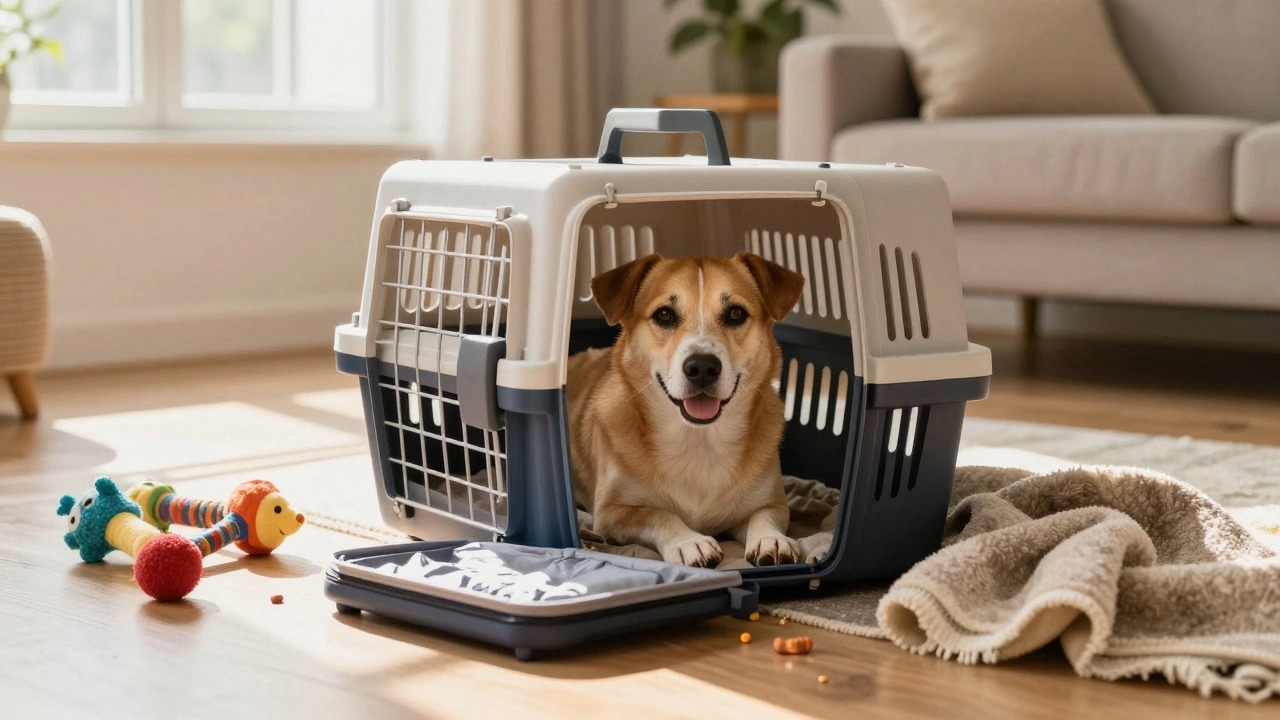
- Introduce the carrier early: Leave the carrier open in your living room with comfortable bedding inside. Place treats and favorite toys nearby. Let your dog explore it voluntarily.
- Practice short trips: Once your dog enters willingly, close the door for short periods while you’re in the same room. Gradually increase the time.
- Simulate the environment: Take the carrier on car rides. Start with five minutes, then extend to an hour. Play white noise or airplane sounds at low volume to mimic the cabin.
- Vet visits: Bring the carrier to routine vet appointments. This associates the container with familiar, non-threatening places.
- Full dress rehearsals: If possible, visit an airport lounge or quiet terminal area (without boarding) to expose your dog to crowds and announcements.
This process builds confidence. A dog that sees the carrier as a safe den rather than a prison cell will handle the flight significantly better.
Calming Tools: What Works and What Doesn’t
There’s a market full of products promising to sedate or calm dogs for flights. Be cautious. Many veterinarians advise against using sedatives for air travel due to risks associated with anesthesia at altitude, such as respiratory issues.
Instead, focus on natural calming aids:
- Adaptil Collars: These release synthetic pheromones that mimic those produced by mother dogs, creating a sense of security. Apply 30 minutes before travel.
- Thundershirts: Compression garments apply gentle pressure to the torso, which can have a soothing effect similar to swaddling a baby.
- Chew Toys: Long-lasting chews like bully sticks or Kong toys filled with peanut butter keep the mouth busy and distract from anxiety.
- Familiar Scents: Include a piece of your worn clothing or a blanket with your scent in the carrier. Familiar smells are powerful anchors.
Avoid giving large meals right before the flight. Digestion requires energy and blood flow, which can make your dog feel sluggish or nauseous. Offer light snacks instead.
Navigating the Airport and Flight Day
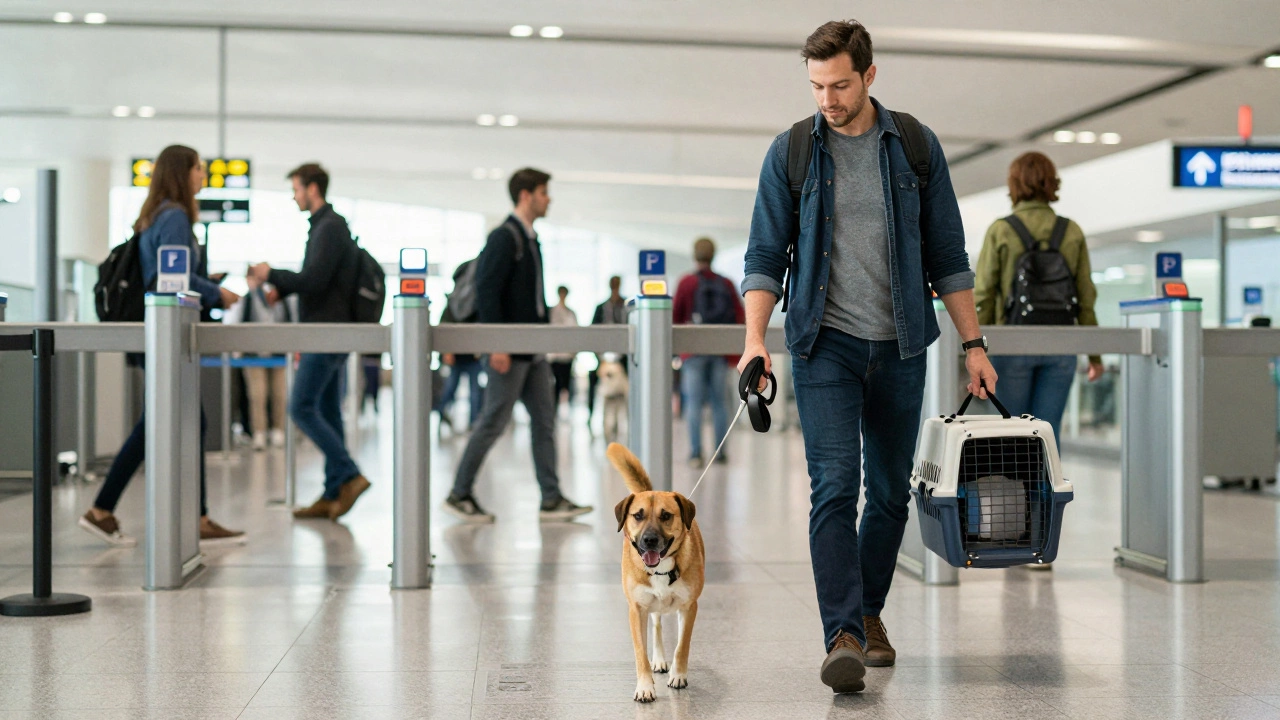
The day of travel brings new challenges. Security checkpoints require you to remove your dog from the carrier. Keep a firm leash handy. Walk through the metal detector with your dog while carrying the empty carrier. Stay calm yourself-dogs pick up on human tension instantly.
At the gate, find a spot away from high-traffic areas if possible. Some airports offer designated pet relief zones. Use them wisely: let your dog stretch and eliminate, but keep the outing brief to prevent over-excitement.
During the flight, talk to your dog in a soft, reassuring voice. Do not open the carrier unless absolutely necessary (e.g., for water), as this breaks the containment rule and may disturb other passengers. Trust in your preparation. If your dog is anxious, your calm demeanor is their best anchor.
When Not to Fly In-Cabin
Sometimes, the kindest choice is to postpone or cancel the trip. Puppies under eight weeks old, senior dogs with health issues, and brachycephalic breeds (like Bulldogs and Pugs) face higher risks. Brachycephalic dogs struggle with breathing, especially in pressurized cabins. Consult your veterinarian if your dog falls into these categories. They may recommend ground transport alternatives or specialized veterinary supervision.
If your dog has a history of severe separation anxiety or aggression, in-cabin travel might exacerbate these behaviors. Consider hiring a professional pet transporter who specializes in animal care during transit.
How long can a dog stay in a carrier on a plane?
Most airlines require dogs to remain in their carriers for the entire duration of the flight, which can range from 1 to 12+ hours. However, many carriers allow brief bathroom breaks during layovers if you use designated pet relief areas. Never leave your dog unattended in the carrier for extended periods beyond the flight itself.
Can I give my dog medication for anxiety before flying?
You should always consult your veterinarian before administering any medication. Sedatives can interfere with breathing and balance at high altitudes, posing serious health risks. Natural alternatives like Adaptil collars or Thundershirts are generally safer and recommended by most vets for mild to moderate anxiety.
What size carrier do I need for in-cabin travel?
Carriers must fit under the seat in front of you. Typical dimensions are approximately 18 x 14 x 8 inches, but this varies by airline. Measure your specific aircraft’s under-seat space if possible. The carrier must be soft-sided, well-ventilated, and secure enough to hold your dog comfortably without collapsing.
Do I need a health certificate for domestic flights?
For most domestic flights within the US or UK, a health certificate is not required. However, some airlines may request proof of vaccinations, particularly rabies. International flights almost always require a health certificate issued by a licensed veterinarian within 10 days of travel. Check your airline’s specific policy.
How do I keep my dog hydrated during a long flight?
Offer small amounts of water before boarding and after landing. During the flight, if allowed by the crew, you can provide ice cubes or small sips of water from a collapsible bowl. Avoid filling the carrier with a water dish, as spills can create unsanitary conditions and discomfort.