Pet Insurance Cost Calculator
Enter details and click Calculate to see your estimated out-of-pocket costs.
You just got off the phone with your vet. Your dog swallowed a sock, or your cat needs emergency surgery for a blocked urethra. The quote? £1,200. You have pet insurance, so you feel relieved-until you realize you don't actually know how much they will pay. Will it be 50%? 80%? Or will some hidden clause leave you with a massive out-of-pocket cost?
Here is the blunt truth: pet insurance does not cover 100% of every bill in most standard plans. In fact, if you are looking for full reimbursement, you might be looking at the wrong product entirely. Most policies operate on a reimbursement model, meaning you pay the vet first, then claim back a percentage. Understanding exactly how this math works is the difference between financial peace of mind and a nasty surprise at checkout.
The Reimbursement Model: How It Actually Works
Unlike human health insurance, which often pays providers directly, most pet insurance companies work on a reimbursement basis. This means you settle the bill with your veterinary practice immediately. Then, you submit a claim to your insurer. They review it against your policy terms and send money back to your bank account.
So, what percentage do they send back? For major medical accidents and illnesses, the industry standard reimbursement rates are typically 70%, 80%, or 90%. Some premium plans offer up to 100%, but these come with significantly higher monthly premiums. If you choose an 80% plan, you are agreeing to cover the remaining 20% yourself, plus any other exclusions or limits we will discuss below.
Why doesn't everyone pick 100%? Because risk pooling works differently here. Insurers calculate premiums based on expected payouts. A 100% reimbursement rate shifts all financial risk to the insurer, driving up your monthly cost. An 80% rate keeps premiums lower by sharing that risk with you. It’s a trade-off: lower monthly bills versus higher potential out-of-pocket costs when disaster strikes.
Deductibles: The First Hurdle
Before the reimbursement percentage even kicks in, you have to clear the deductible. Think of this as a threshold. If your policy has a £200 annual deductible, the first £200 of eligible veterinary expenses in any policy year comes entirely from your pocket. Only after you hit that £200 mark does the insurer start reimbursing their share.
Let’s run a real-world scenario. Imagine your cat requires dental surgery costing £600. Your policy has a £200 deductible and an 80% reimbursement rate.
- Total Vet Bill: £600
- Deductible (you pay): £200
- Remaining Balance: £400
- Insurer Pays (80% of £400): £320
- You Pay (20% of £400 + Deductible): £280
In this case, you paid £280 out of a £600 bill. That’s roughly 47% out-of-pocket, not 20%. Many people forget that the deductible stacks on top of the coinsurance. Choosing a higher deductible lowers your monthly premium, but it increases your upfront cash requirement during an emergency.
Annual Limits vs. Unlimited Coverage
This is where things get tricky. Older policies often had strict annual limits-say, £5,000 per year. Once you hit that cap, you were on your own for the rest of the year, no matter how serious the condition. Modern insurers have largely moved away from low caps, offering "unlimited" annual limits, but "unlimited" rarely means unlimited in practice.
Even with an unlimited annual limit, there are often per-condition limits or lifetime maximums for specific issues like chronic kidney disease or diabetes. Always check if the limit applies to the total yearly spend or per incident. A per-incident limit can be dangerous for recurring conditions. If your dog has chronic arthritis requiring treatment every six months, a per-incident limit might reset each time, whereas an annual aggregate limit pools them together.
| Policy Feature | Option A (Low Premium) | Option B (High Premium) |
|---|---|---|
| Reimbursement Rate | 70% | 90% |
| Annual Deductible | £500 | £100 |
| Annual Limit | £5,000 | Unlimited |
| Your Cost (First Claim) | £610 | £190 |
| Monthly Premium Est. | £25 | £55 |
Notice how Option A saves you £30 a month but costs you £420 more on the first claim. You would need nearly 14 claims to break even on the premium savings. For most pet owners, one major accident wipes out years of premium savings. Analyze your risk tolerance before picking the cheaper option.

Pre-existing Conditions: The Deal Breaker
No amount of reimbursement percentage matters if the condition isn't covered. Pre-existing conditions are excluded from almost every standard policy. But what counts as pre-existing? It’s anything diagnosed, treated, or showing symptoms before your policy started or during its waiting period.
If your dog limped last week and you buy insurance today, that limp is likely pre-existing. Even if it was just a minor strain, if a vet noted it in their records, future treatments for that joint might be excluded forever. This is why getting insured while your pet is young and healthy is critical. Once a condition exists, you cannot insure against it retroactively.
Some newer wellness add-ons attempt to bridge this gap by covering routine care, but they usually exclude illness-related treatments. Be wary of policies that promise to cover pre-existing conditions; read the fine print. Often, they only cover them if they haven't recurred for 12-24 months, which is rare for chronic issues.
Routine Care vs. Accident & Illness
Most people confuse accident-and-illness policies with comprehensive wellness plans. Standard pet insurance covers unexpected events: broken bones, infections, cancer, ingestion of foreign objects. It typically does not cover routine maintenance like vaccinations, flea prevention, or annual check-ups unless you buy a separate wellness rider.
A wellness rider functions more like a prepaid credit card for vet visits. You pay a monthly fee, and the insurer reimburses routine services up to a set annual amount. These riders rarely have deductibles and often reimburse 100% of routine costs, but they don’t help with big emergencies. If you want protection against catastrophic bills, focus on the accident-and-illness component. Use savings accounts for routine care instead of paying high premiums for wellness riders that rarely pay out fully.
Exclusions You Might Not Expect
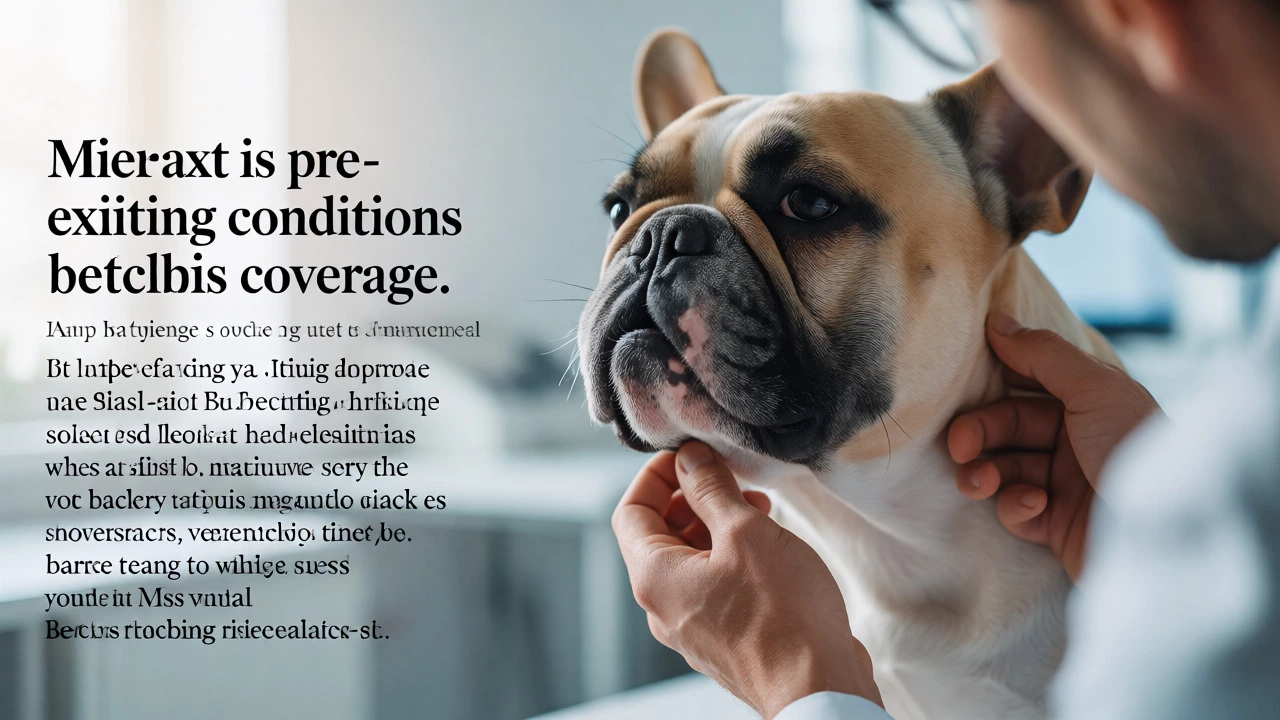
Beyond pre-existing conditions, several common scenarios fall outside coverage. Hereditary conditions in purebred dogs are sometimes excluded or limited. Breeds like French Bulldogs, known for respiratory issues, may face restrictions on breathing-related surgeries. Similarly, behavioral problems, elective procedures (like tail docking), and cosmetic dentistry are usually out of scope.
Also, check the definition of "accident." Did your dog eat chocolate? Covered. Did your dog tear a ligament running in the garden? Usually covered. But did your dog swallow a toy because of anxiety-induced pica? That might be argued as a behavioral issue, leading to a denied claim. Clarity here is vital. Ask your insurer specifically about breed-specific risks before signing up.
How to Maximize Your Payout
You can influence how much you get back by managing the claims process correctly. First, keep meticulous records. Vets must provide detailed invoices listing diagnosis codes and treatment dates. Without itemized bills, insurers may delay payment or reduce the payout.
Second, understand the "usual and customary" fee structure. Some insurers pay based on average regional costs, not what your specific vet charges. If your vet is in London and charges above the national average, you might receive less than the full invoice amount, regardless of your reimbursement percentage. Choose a vet who provides transparent pricing and understands insurance documentation requirements.
Finally, renew annually. As pets age, premiums rise. Sometimes, switching providers offers better rates for new conditions, though you’ll restart the waiting period and lose coverage for existing issues. Weigh the long-term cost carefully.
Does pet insurance cover 100% of vet bills?
Rarely. Most standard policies reimburse between 70% and 90% of eligible costs after you meet your deductible. Policies offering 100% reimbursement exist but come with significantly higher monthly premiums and often stricter exclusions.
What is a deductible in pet insurance?
A deductible is the fixed amount you must pay out-of-pocket before your insurance starts reimbursing you. For example, with a £200 deductible, you pay the first £200 of any claim, and the insurer pays their percentage of the remaining balance.
Are pre-existing conditions covered?
No. Almost all pet insurance policies exclude conditions that existed before the policy started or during the waiting period. This includes symptoms noted by a vet, even if a formal diagnosis wasn't made yet.
Do I have to use a specific vet?
Generally, no. Most UK pet insurance providers allow you to visit any licensed veterinary surgeon. However, some network-based plans offer discounted rates or direct billing if you use their partner clinics.
Is routine care included in basic pet insurance?
No. Basic accident-and-illness policies cover unexpected injuries and diseases. Routine care like vaccinations, worming, and annual check-ups usually requires an additional wellness rider or preventive care add-on.