
Dog Vitamin D Risk & Symptom Checker
Dog Profile & Observations
Ready to Assess
Enter your dog's details and observed symptoms to see a risk assessment based on the article data.
Most dog owners know that Vitamin D is a fat-soluble nutrient essential for calcium absorption and bone health keeps their pets’ bones strong. But what happens when your dog doesn’t get enough? Unlike humans, who often struggle with low levels due to lack of sun exposure, dogs synthesize vitamin D differently. This unique biology makes understanding the signs of deficiency tricky-and potentially dangerous if mismanaged.
If you’ve noticed your dog acting lethargic, losing appetite, or showing unusual muscle stiffness, you might be wondering if a nutritional gap is to blame. While true vitamin D deficiency is rare in well-fed dogs, it can occur under specific circumstances. Knowing the exact symptoms helps you catch issues early before they escalate into serious skeletal or metabolic problems.
How Dogs Process Vitamin D Differently from Humans
To understand why deficiency signs are subtle, we first need to look at how dogs handle this nutrient. Humans rely heavily on sunlight hitting their skin to produce cholecalciferol (Vitamin D3). Dogs, however, have fur that blocks most UV rays. Instead, they primarily get vitamin D through their diet.
The liver converts dietary vitamin D into 25-hydroxyvitamin D, which circulates in the blood. The kidneys then convert this into the active form, 1,25-dihydroxyvitamin D. This active hormone tells the intestines to absorb calcium and phosphorus. If this chain breaks down-due to poor diet, kidney disease, or genetic factors-the consequences ripple through the entire body.
This biological pathway explains why simply giving a dog more sunlight won’t fix a deficiency. It also highlights why high-quality commercial dog food is usually fortified with precise amounts of vitamin D. Problems typically arise when diets are homemade without veterinary guidance or when underlying diseases interfere with absorption.
Primary Physical Signs of Vitamin D Deficiency
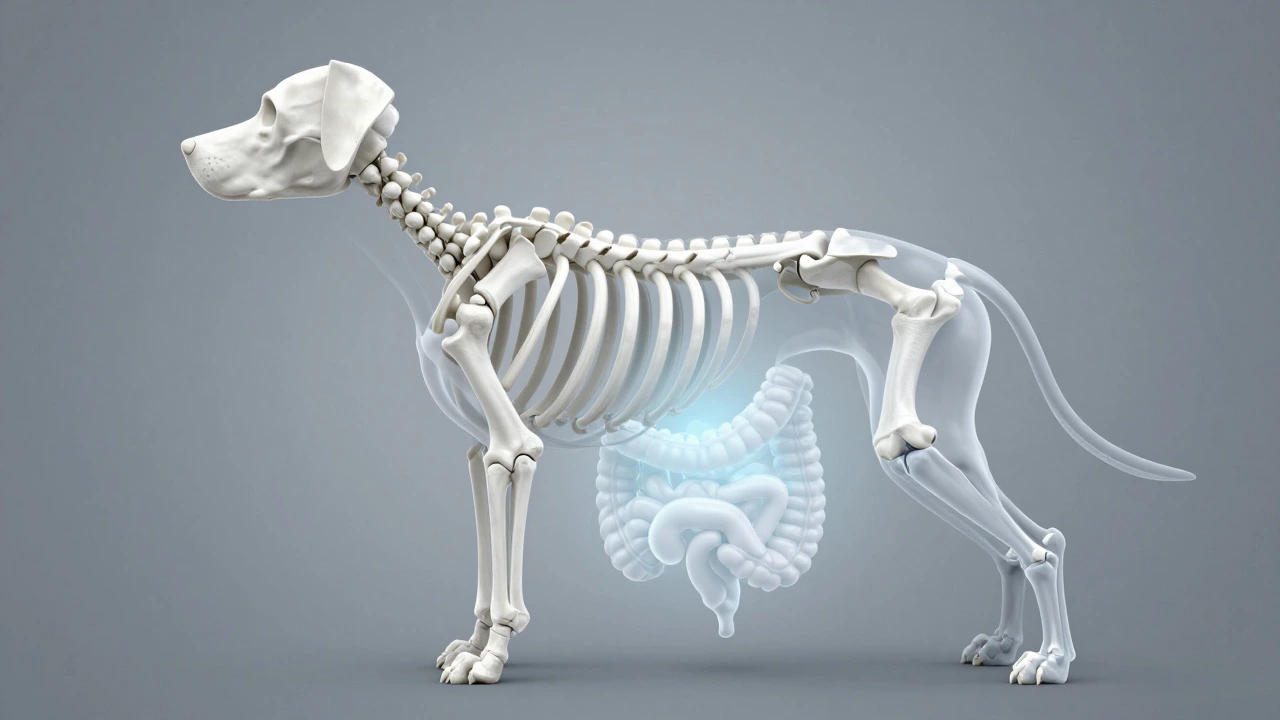
When a dog lacks sufficient active vitamin D, the body struggles to maintain proper mineral balance. The most immediate victim is the skeleton. Here are the concrete physical changes you might observe:
- Bone Pain and Tenderness: Your dog may yelp when touched around the ribs, spine, or limbs. They might hesitate to jump onto furniture or climb stairs, not because of age, but because movement hurts.
- Muscle Weakness and Stiffness: Low calcium levels (hypocalcemia) caused by poor vitamin D function lead to weak muscles. You might see trembling legs, difficulty standing up after lying down, or a general wobbly gait.
- Dental Issues: Teeth require constant remineralization. Deficiency can lead to loose teeth, brittle enamel, or increased susceptibility to periodontal disease earlier than expected.
- Skin and Coat Changes: While less common, severe nutritional imbalances can result in dry, flaky skin and a dull, coarse coat. The hair follicles need adequate nutrients to thrive.
In puppies, these signs manifest as rickets, a condition where growing bones soften and deform. You might notice bowed legs, enlarged joints, or a swaying tailbone. In adult dogs, the condition is called osteomalacia, leading to fragile bones prone to fractures from minor bumps.
Behavioral and Systemic Symptoms
Physical pain isn't the only indicator. Systemic effects of vitamin D imbalance can alter your dog’s behavior and overall energy levels. These signs are often mistaken for aging or general laziness, delaying proper diagnosis.
A dog suffering from deficiency may show significant lethargy. They sleep more than usual and show little interest in walks or play. This isn’t just tiredness; it’s metabolic fatigue. Additionally, loss of appetite is a frequent companion to bone pain. Eating becomes uncomfortable if jaw muscles are stiff or if nausea sets in due to electrolyte imbalances.
Severe cases involving critically low calcium can lead to neuromuscular excitability. This sounds technical, but it means your dog might experience twitching, tremors, or even seizures. If your pet suddenly starts shaking uncontrollably, this is a medical emergency requiring immediate veterinary attention, as it indicates dangerously low blood calcium levels.
Who Is at Risk? Identifying Vulnerable Dogs
Not every dog is equally likely to develop vitamin D issues. Certain groups face higher risks due to lifestyle, diet, or genetics. Understanding these risk factors helps you monitor your pet more closely.
| Risk Group | Reason for Vulnerability | Common Scenarios |
|---|---|---|
| Puppies | Rapid growth requires high calcium/phosphorus ratios | Homemade puppy diets lacking fortification |
| Senior Dogs | Reduced kidney function impairs activation of Vitamin D | Chronic kidney disease (CKD) patients |
| Indoor-Only Dogs | Minimal incidental dietary variation | Dogs fed strict raw diets without balancing |
| Large Breeds | Higher structural demands on skeletal system | Great Danes, German Shepherds on unbalanced diets |
Dogs on homemade or raw diets are particularly vulnerable. Without careful calculation by a veterinary nutritionist, it is easy to miss the precise ratio of calcium to phosphorus needed. Too much phosphorus without enough vitamin D locks calcium away, worsening the deficiency. Conversely, too much vitamin D can be toxic, so balance is critical.
Diagnosis: How Vets Confirm Deficiency
You cannot diagnose vitamin D deficiency based on symptoms alone. Many conditions mimic these signs, including arthritis, hip dysplasia, and other metabolic disorders. A veterinarian will use specific tests to confirm the issue.
The gold standard is a blood test measuring serum 25-hydroxyvitamin D levels. However, this test isn’t always available in general practice clinics and may require sending samples to a specialized lab. More commonly, vets check calcium and phosphorus levels in the blood. Low calcium (hypocalcemia) combined with normal or low phosphorus suggests a vitamin D problem.
X-rays are also crucial. They reveal deminerilization of bones, appearing lighter or "washed out" compared to healthy bone density. In puppies, x-rays show widened growth plates and irregular bone shapes. These imaging results, paired with blood work, provide a definitive picture.

Treatment and Safe Supplementation
Once diagnosed, treatment focuses on restoring balance. This rarely involves just popping a pill. It requires a multi-step approach managed by your vet.
- Dietary Correction: Switching to a commercially balanced dog food formulated to meet AAFCO standards ensures adequate vitamin D intake. For homemade diets, a vet nutritionist will prescribe specific supplements.
- Supplementation: Oral vitamin D supplements may be prescribed. Dosage is critical. Because vitamin D is fat-soluble, excess stores in the body and can cause toxicity. Follow your vet’s dosage instructions precisely.
- Calcium Support: In acute cases with low blood calcium, IV calcium gluconate may be administered in a hospital setting to stabilize heart and muscle function.
- Monitoring: Regular blood tests ensure levels return to normal without overshooting into toxicity.
Avoid over-the-counter human vitamin D supplements unless explicitly approved by your vet. Human formulations often contain ingredients unsafe for dogs, and dosages can easily become toxic. Canine-specific supplements are safer and calibrated for smaller bodies.
Prevention: Keeping Bones Strong Long-Term
Prevention is far easier than treatment. The best strategy is feeding a high-quality, complete, and balanced diet. Look for brands that state compliance with AAFCO nutritional profiles. These foods are tested to ensure correct levels of all essential nutrients, including vitamin D.
If you feed raw or homemade, consult a board-certified veterinary nutritionist. They can analyze your recipe and recommend precise supplement blends. Do not guess. Nutritional imbalances take months to show symptoms, by which time damage may already be done.
Regular exercise supports bone density naturally. Weight-bearing activities like walking and swimming stimulate bone remodeling. However, exercise complements nutrition-it does not replace it. Ensure your dog gets moderate daily activity appropriate for their age and breed.
Can dogs get vitamin D from sunlight?
Technically yes, but inefficiently. Dog fur blocks most UVB rays needed for synthesis. While short-haired dogs might produce small amounts, it is insufficient to meet daily requirements. Diet remains the primary source of vitamin D for canines.
What is the difference between rickets and osteomalacia?
Rickets occurs in growing puppies, affecting softening of developing bones and growth plates. Osteomalacia affects adult dogs, causing softening of existing bone matrix. Both stem from vitamin D, calcium, or phosphorus deficiencies but impact different life stages.
Is vitamin D toxicity possible in dogs?
Yes, and it is dangerous. Excess vitamin D causes hypercalcemia (high blood calcium), leading to kidney failure, vomiting, and lethargy. Always follow veterinary dosage guidelines strictly. Never give human supplements without approval.
How long does it take to treat vitamin D deficiency?
Treatment duration varies. Acute symptoms like tremors may improve within days of stabilization. Bone remineralization takes weeks to months. Regular blood tests and x-rays monitor progress until full recovery is confirmed.
Do certain breeds need more vitamin D?
No breed inherently needs more vitamin D than others if fed a balanced diet. However, large and giant breeds grow faster and require precise calcium-phosphorus-vitamin D ratios during puppyhood to prevent skeletal deformities. Consult a vet for breed-specific dietary plans.