Dog Food Ingredient Analyzer
Enter the top 3 ingredients listed on your dog food bag. The tool will score them based on the "Top 3 Rule" for premium nutrition.
Waiting...
Enter ingredients to see results
Detailed Breakdown
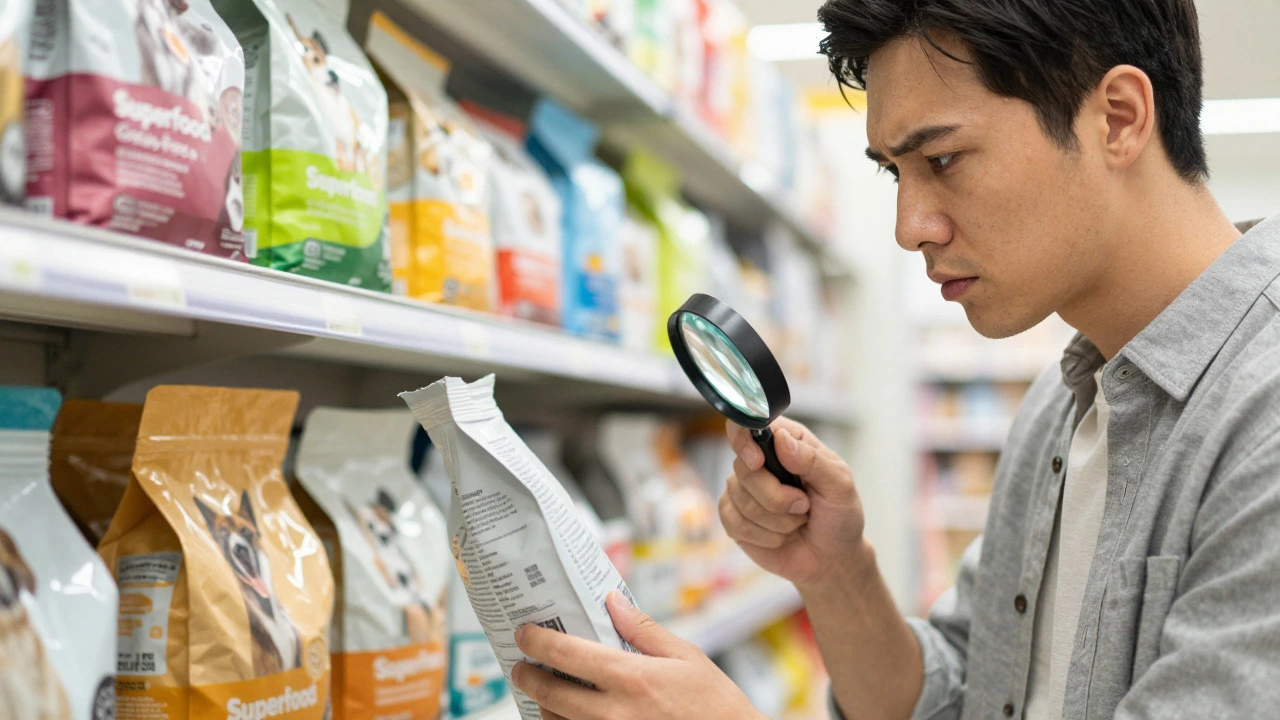
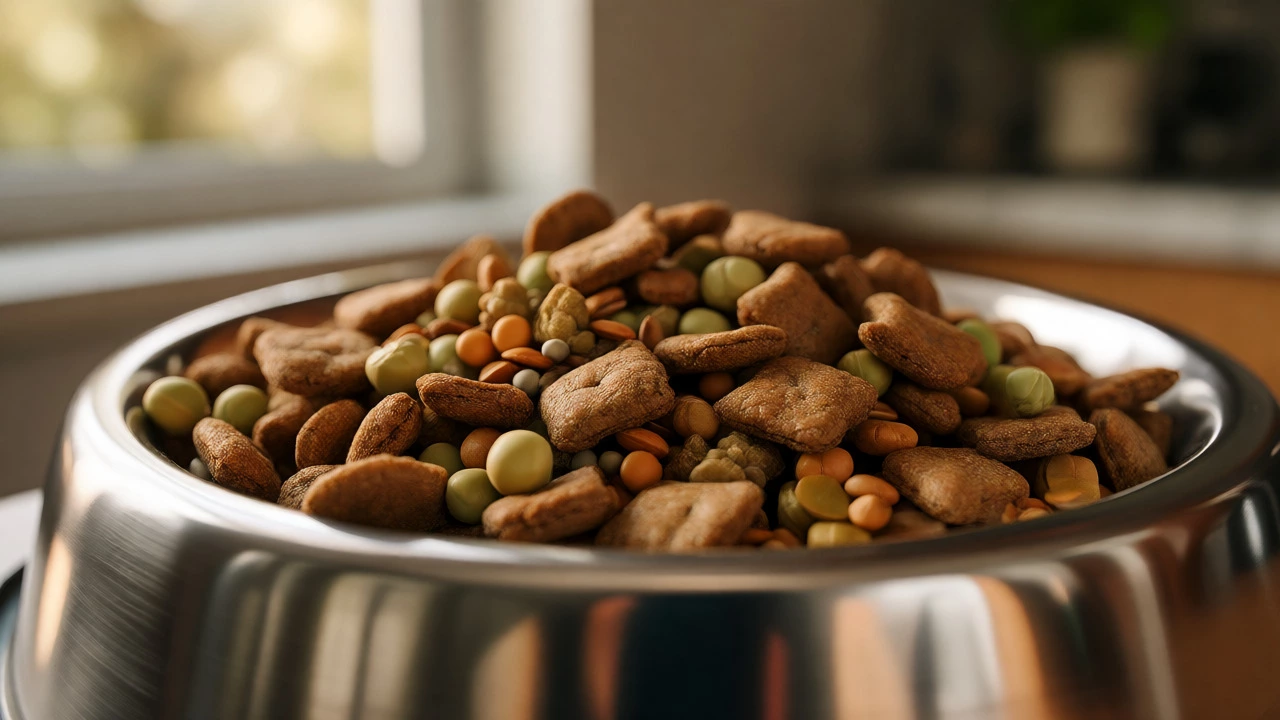
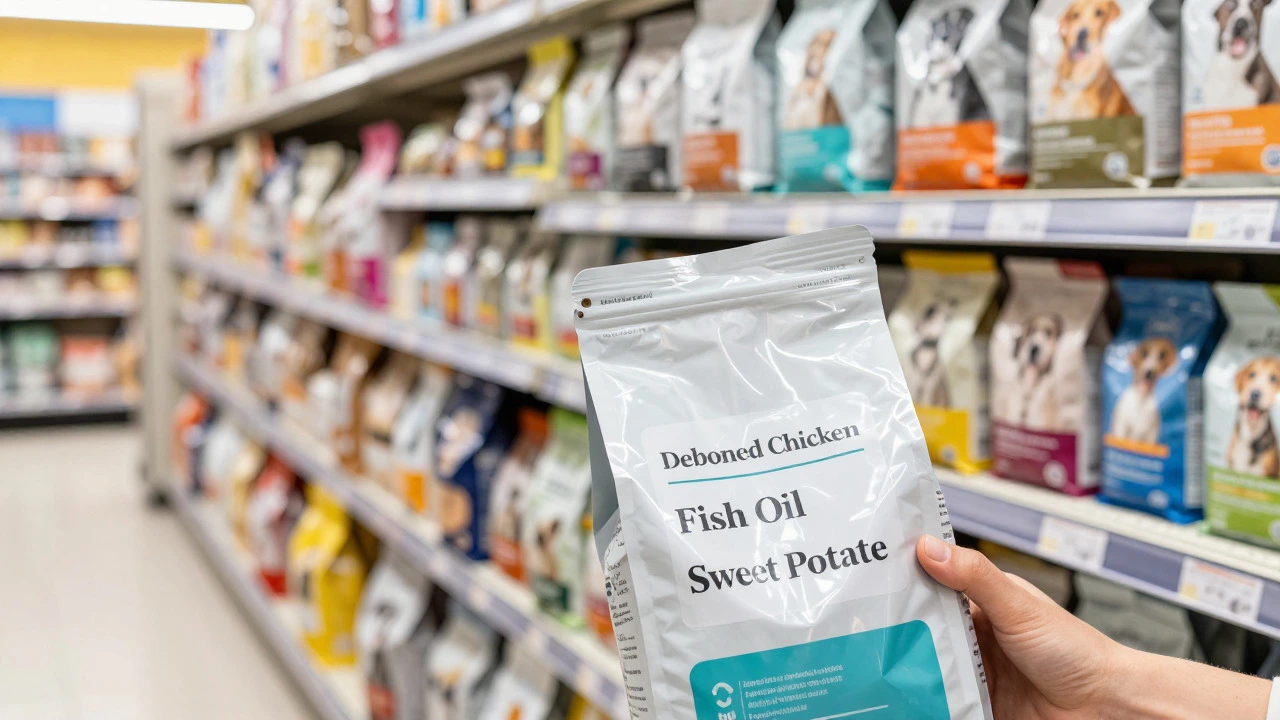
Walk down any supermarket aisle or browse an online pet store, and you are hit with a wall of colorful bags. Bold claims promise "grain-free miracles," "ancient grains," or "wild-caught protein." It is overwhelming. But here is the truth: you do not need to read every single line on the back label to know if the food is good. You just need to look at the first three ingredients. In the world of dog food commercially prepared meals designed to provide complete and balanced nutrition for canines, ingredient order matters more than marketing buzzwords.
Why? Because regulations in many countries, including the UK and US, require ingredients to be listed by weight before processing. This means the heaviest stuff goes first. If the first three spots are filled with meat, healthy fats, and whole vegetables, you are likely holding a premium bag. If they are filled with corn, wheat, and "meat by-products," you might want to put it back. Let’s break down exactly what those top three slots should contain for your dog’s long-term health.
The Non-Negotiable First Ingredient: Named Animal Protein
The absolute most important thing in your dog’s diet is protein. Dogs are carnivores by evolution, even if they have adapted to eat some plant matter over thousands of years of domestication. Their bodies are built to run on muscle tissue. Therefore, the number one ingredient on the list must be a named animal source.
Look for words like chicken, beef, salmon, or lamb. The key word here is "named." Avoid vague terms like "meat meal," "animal digest," or simply "meat." These terms can hide lower-quality parts of the animal, such as feet, heads, or stomachs, which are often used to bulk up the product cheaply.
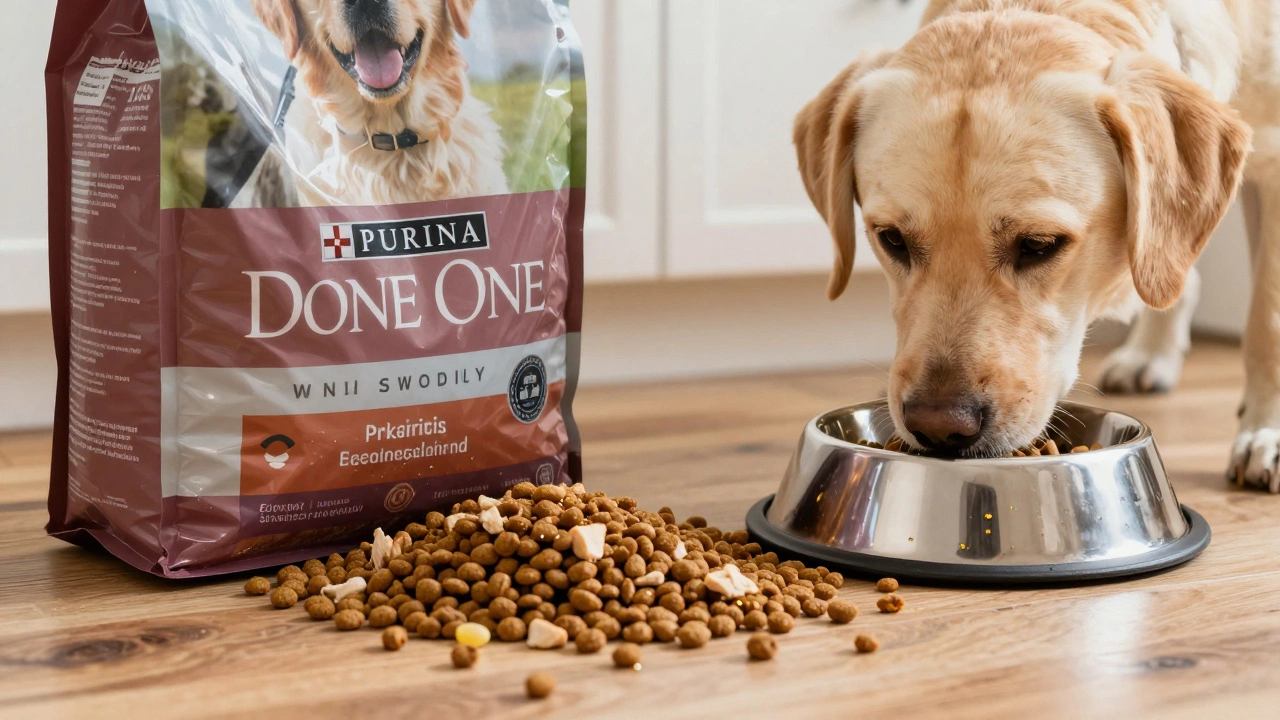
When you see "Chicken" or "Deboned Chicken" as the first ingredient, you know that fresh meat makes up the largest portion of the dry matter in that kibble. This provides essential amino acids-the building blocks of muscle-that dogs cannot synthesize on their own. Without high-quality protein at the top of the list, your dog may struggle to maintain muscle mass, leading to weakness and a dull coat.
- Good: Chicken, Salmon, Turkey, Lamb, Beef
- Better: Deboned Chicken, Fresh Salmon (indicates higher moisture content initially)
- Avoid: Meat By-Products, Poultry Meal, Corn Gluten Meal
The Second Slot: Healthy Fats and Oils
If protein is the engine, fat is the fuel. The second major component in high-quality dog food should be a source of healthy fats. Many budget brands skip this or use low-grade animal fats that smell rancid and offer little nutritional value. Premium brands prioritize specific oils that support skin health, cognitive function, and energy levels.
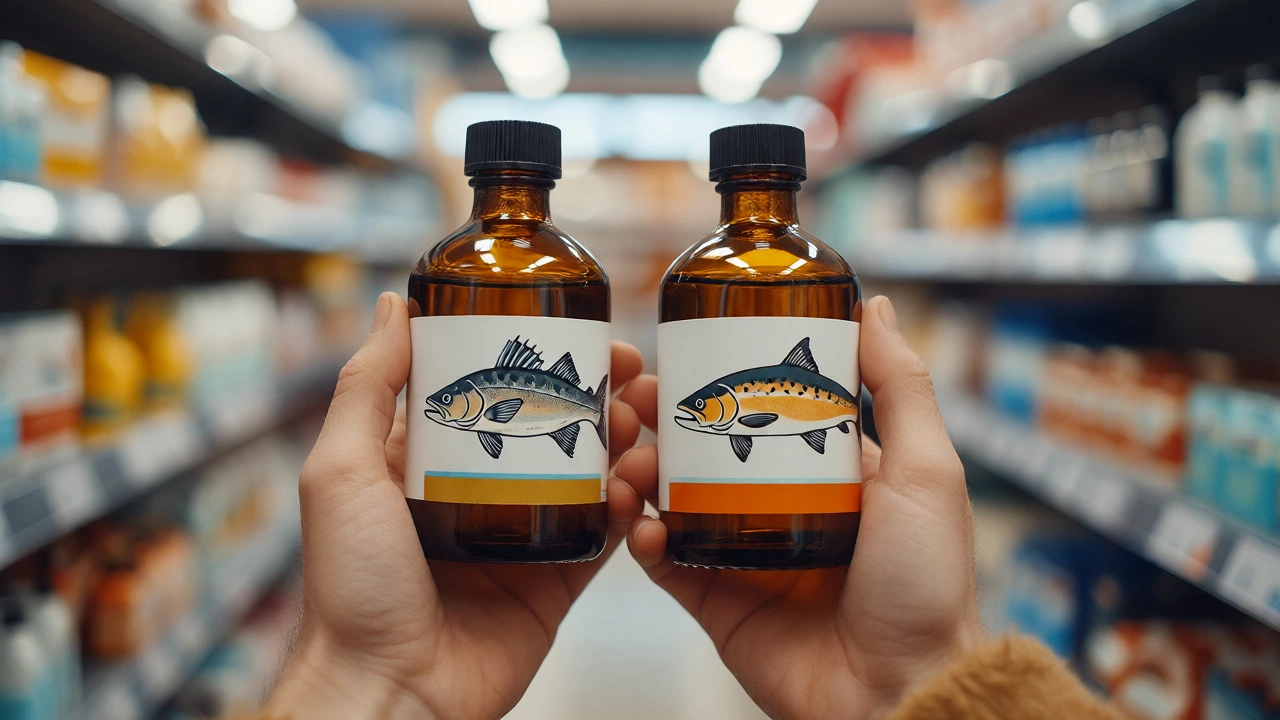
You want to see fish oil, chicken fat, or flaxseed oil near the top. Fish oil is particularly valuable because it is rich in Omega-3 fatty acids, specifically EPA and DHA. These compounds reduce inflammation in the body, which helps older dogs with arthritis and keeps younger dogs’ joints flexible. Chicken fat is highly palatable, meaning your dog will actually enjoy eating it, and it provides concentrated energy.
Notice how cheap foods often list "corn oil" or "soybean oil" early on. While these provide calories, they are high in Omega-6 fatty acids. An imbalance between Omega-6 and Omega-3 can lead to chronic inflammation. By ensuring a quality fat source is in the top three, you are actively managing your dog’s inflammatory response and keeping their coat shiny and soft.
The Third Ingredient: Whole Vegetables or Limited Grains
This is where opinions vary, but science is clear. The third slot should provide fiber, vitamins, and minerals. For decades, marketers convinced owners that grains were evil. However, unless your dog has a diagnosed grain allergy (which is rare), whole grains like brown rice or oats are excellent sources of energy and digestive health. Alternatively, high-quality vegetables like sweet potatoes, carrots, or peas serve the same purpose without the starch load of grains.
Look for sweet potato, brown rice, or peas. Sweet potatoes are a fantastic complex carbohydrate that breaks down slowly, providing steady energy rather than a sugar spike. Brown rice offers B-vitamins and fiber. Peas add protein and fiber but should not replace meat as the primary protein source.
Avoid seeing "corn," "wheat," or "soy" in the top three. These are common allergens and fillers. They are cheap to produce and easy to ship, but they offer minimal nutritional benefit compared to whole vegetables or novel grains. If the third ingredient is a filler, the manufacturer is saving money at the expense of your dog’s digestion.
Why Order Matters More Than You Think
Understanding the "first three" rule requires understanding how kibble is made. Ingredients are weighed out before cooking. Water weighs a lot. When fresh meat is added, it contains about 70% water. During the extrusion process (cooking and shaping the kibble), that water evaporates. So, while "Chicken" might be first by weight before cooking, it shrinks significantly. Manufacturers know this. That is why seeing a named meat first is still critical-it proves that even after shrinking, it was the dominant ingredient.
However, beware of "ingredient splitting." Some brands list chicken broth, chicken fat, and chicken meal separately so that no single chicken ingredient appears first, allowing them to put corn at the top instead. Always check if multiple forms of the same ingredient appear later in the list. If you see chicken broth, chicken fat, and chicken meal all within the first five ingredients, combine them mentally. They likely outweigh the corn listed first.
| Position | Budget Brand Example | Premium Brand Example | Nutritional Impact |
|---|---|---|---|
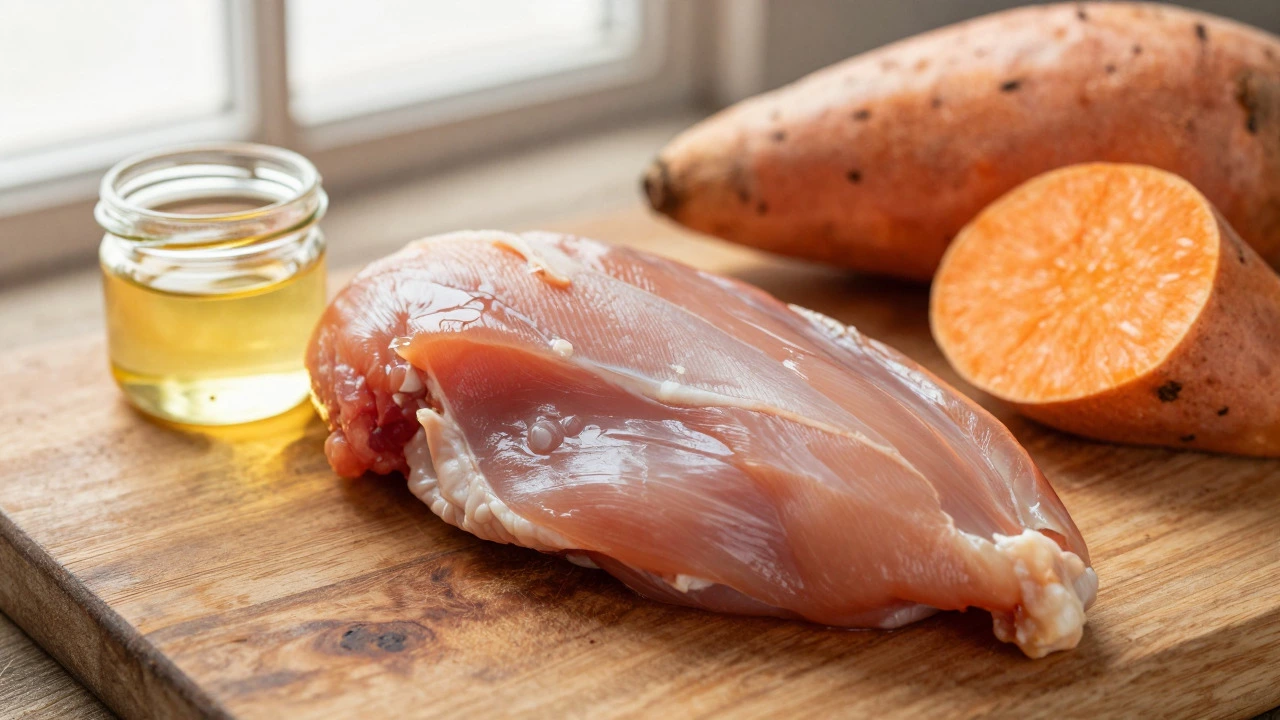
| 1st | Corn | Deboned Chicken | Premium provides essential amino acids; budget relies on plant starch. |
| 2nd | Wheat Middlings | Fish Oil | Premium supports brain/joint health; budget adds empty calories. |
| 3rd | Meat By-Product Meal | Sweet Potato | Premium offers clean carbs/fiber; budget uses undefined animal parts. |
Red Flags to Watch For
Even if the first three ingredients look okay, scan the rest of the list for hidden dangers. Artificial colors, flavors, and preservatives like BHA, BHT, or ethoxyquin are unnecessary additives linked to health issues in long-term studies. Natural preservatives like mixed tocopherols (Vitamin E) are far superior.
Also, watch out for "novel" proteins marketed as hypoallergenic when they aren’t. Just because a food contains duck or venison doesn’t mean it’s better for every dog. Stick to the basics: named meat, healthy fat, whole veg/grain. If a brand needs twenty exotic ingredients to make the food taste good, the base formula is likely poor.

Tailoring to Your Dog’s Life Stage
The "top three" rule applies generally, but specifics change based on age. Puppies need higher protein and fat for growth. Look for lamb or fish as the first ingredient, as these are easier to digest than beef for young stomachs. Senior dogs benefit from easily digestible proteins like salmon and lower-fat options. For seniors, the third ingredient might shift towards joint-supporting supplements like glucosamine-rich cartilage, though this is usually added in smaller quantities later in the list.
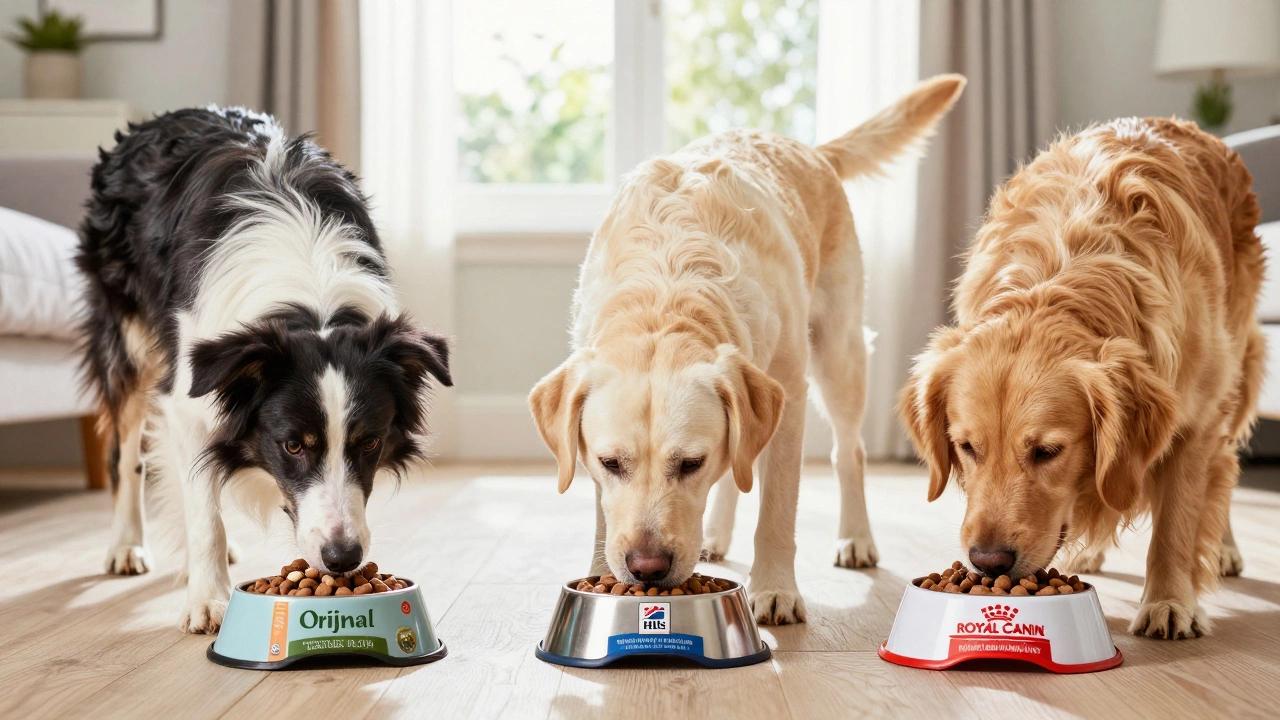
Active working dogs, like Border Collies or Huskies, burn massive amounts of energy. Their top three might include higher-density fats like coconut oil or additional meat meals to sustain endurance. Sedentary breeds, like Bulldogs, need strict control over the carbohydrate content in that third slot to prevent obesity.
Common Myths Debunked
One persistent myth is that "grain-free" is always healthier. Recent investigations by veterinary authorities have looked into a potential link between certain grain-free diets (high in legumes like peas and lentils) and dilated cardiomyopathy (DCM), a serious heart condition. While the research is ongoing, the consensus is shifting back toward including whole grains like rice and oats, which are safe and nutritious for most dogs. Unless your vet has prescribed a grain-free diet for a specific allergy, do not fear grains in the top three ingredients.
Another myth is that raw food is the only natural option. While raw feeding has benefits, it carries risks of bacterial contamination like Salmonella and E. coli. High-quality cooked kibble with the right top three ingredients offers a safer, more consistent nutritional profile for the average pet owner who isn’t testing batches for pathogens.
How to Transition Foods Safely
Once you find a bag with the ideal top three ingredients, don’t switch overnight. A sudden change can cause diarrhea and vomiting. Over seven days, gradually mix the new food with the old.
- Days 1-2: 25% new food, 75% old food.
- Days 3-4: 50% new food, 50% old food.
- Days 5-6: 75% new food, 25% old food.
- Day 7: 100% new food.
Is meat meal bad for dogs?
Not necessarily. Meat meal is a concentrated source of protein created by rendering meat. It is shelf-stable and nutrient-dense. However, it should not be the first ingredient if a fresh named meat is available. It is acceptable as a secondary protein source, provided it specifies the animal type (e.g., "Chicken Meal" rather than "Animal Meal").
Should I avoid corn in dog food?
Corn itself is not toxic, but it is a common allergen and a cheap filler. If corn is in the top three ingredients, it suggests the food is prioritizing cost over quality. Whole grains like brown rice or oats are better alternatives for fiber and energy without the high risk of allergic reaction.
What is the best protein source for sensitive stomachs?
For sensitive stomachs, limited ingredient diets are best. Look for a single named protein like salmon or lamb as the first ingredient, paired with a simple carb like sweet potato or white rice. Avoid complex mixes of meats and grains that can trigger digestive upset.
Do dogs need carbohydrates?
Dogs do not strictly need carbohydrates to survive, as they can derive glucose from protein. However, carbs provide a readily available energy source and dietary fiber for gut health. Whole vegetables and grains are beneficial in moderation, typically making up the third or fourth ingredient.
How do I know if my dog is allergic to an ingredient?
Signs of food allergies include chronic ear infections, itching (especially around the paws and face), gastrointestinal issues like gas or diarrhea, and recurrent skin infections. If you suspect an allergy, consult your vet for an elimination diet trial, removing suspected ingredients for 8-12 weeks.