Beneful Safety & Suitability Checker
Assess Your Dog's Profile
Key Ingredient Analysis:
It’s a simple question that has haunted pet owners for years: Is Beneful safe? You’ve seen the headlines. You’ve heard the whispers in the dog park. There was a time when the name "Beneful" was synonymous with controversy, specifically regarding a wave of mysterious deaths among dogs in the early 2000s. Today, the conversation has shifted slightly, but the underlying anxiety remains. As a dog owner living in Bristol, where I spend my weekends walking along the harbourside with my own rescue terrier, I know how stressful it is to choose the right fuel for your companion. We want nothing but the best, and we fear making a mistake that could cost us our best friend.
The short answer is that Beneful, currently owned by Mars Petcare, is considered safe by major regulatory bodies today. However, the history of the brand is complex, involving one of the most significant investigations in pet food history. To make an informed decision, you need to separate fact from fiction, understand the past, and look at the current ingredients list with a critical eye. This isn’t just about nostalgia; it’s about understanding what changed and whether those changes are enough for your specific dog.
The 2005-2006 Crisis: What Actually Happened?
To understand the reputation of Beneful, you have to go back to 2005. During this period, hundreds of dogs across the United States fell ill or died after eating dry pet food from multiple manufacturers, including brands like Iams, Eukanuba, and Beneful. The symptoms were alarming: vomiting, lethargy, loss of appetite, and ultimately, liver failure. At the height of the crisis, over 8,000 cases were reported, resulting in nearly 1,000 confirmed deaths.
The culprit was identified as DMDPH, a toxic contaminant found in wheat gluten and corn gluten meal sourced from China. This wasn’t a flaw in the recipe itself, but rather a contamination issue in the supply chain. The Chinese supplier had inadvertently mixed DMDPH, a chemical used to treat seeds, into the protein meals. It was a catastrophic failure in quality control that shook the entire industry.
While the FDA and AAFCO (Association of American Feed Control Officials) confirmed the link between the contaminated ingredients and the illnesses, public trust never fully recovered. For many owners, the association between Beneful and death became permanent, regardless of the fact that the brand was exonerated of intentional wrongdoing and implemented stricter sourcing protocols afterward. If you bought Beneful during that era, your hesitation is completely justified. But does that history reflect the product on the shelf today?
Current Ingredients: A Closer Look
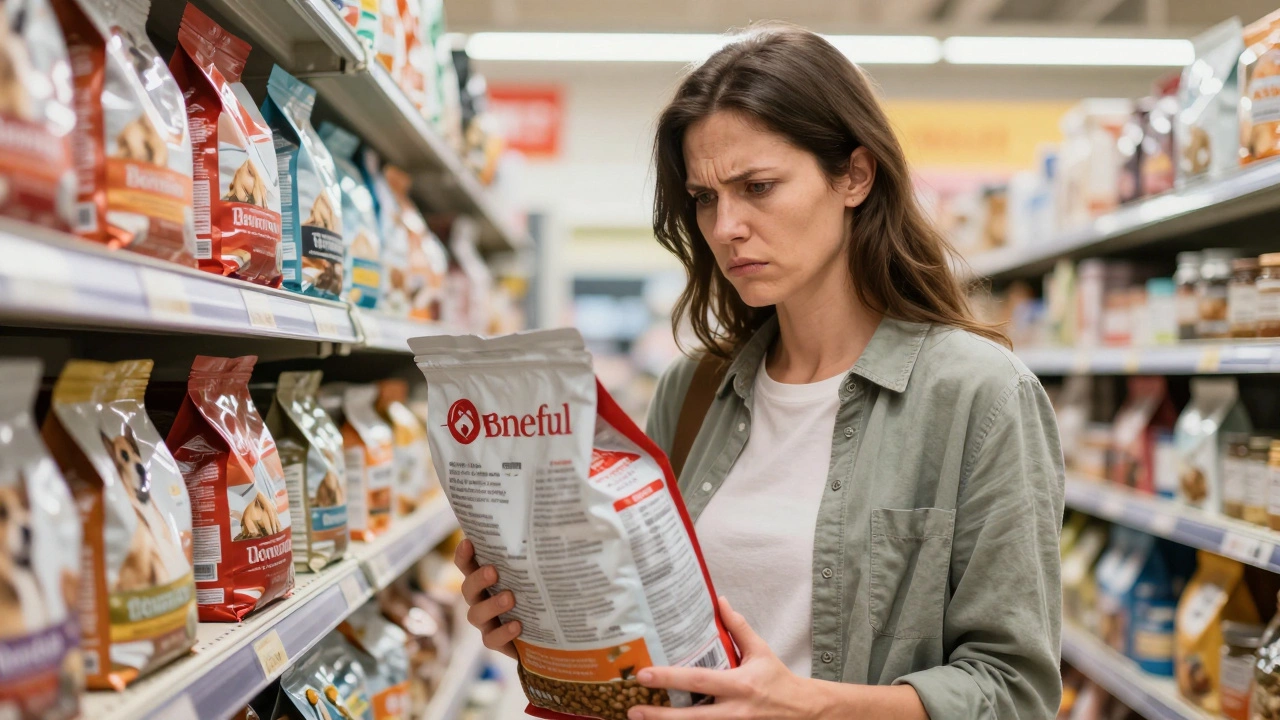
Fast forward to 2026. The manufacturing processes have tightened significantly. Mars Petcare, which acquired the brand, operates under some of the strictest safety standards in the world. However, looking at the ingredient list reveals why some modern critics still raise eyebrows. Let’s break down what is actually in a standard bag of Beneful Adult Dry Dog Food.
The first ingredient is typically chicken or chicken by-product meal. While high in protein, "by-products" can be a vague term. It includes organs like liver and kidneys, which are nutritious, but also less desirable parts. For picky eaters or dogs with sensitive stomachs, this can sometimes lead to digestive upset. Next up are grains-corn, wheat, and rice. These provide energy but are also common allergens. If your dog has a grain allergy, Beneful is likely not the right choice. Unlike specialized hypoallergenic diets, Beneful relies on these cheap carbohydrate sources to bulk up the kibble.
There is also the issue of fillers. Many formulas contain soybean meal and beet pulp. Beet pulp is a good source of fiber, but soybean meal is often criticized for being low-quality protein that may cause gas or bloating in some breeds. Additionally, while Beneful includes vitamins and minerals, it often uses synthetic preservatives like mixed tocopherols (which are natural) but also BHA and BHT in some older formulations, though they have largely moved away from these due to consumer pressure. Always check the specific bag, as formulations change frequently.
| Ingredient | Purpose | Potential Issue |
|---|---|---|
| Chicken By-Product Meal | Protein Source | Vague definition; potential allergen |
| Corn/Wheat/Rice | Energy/Carbs | Common allergens; low nutritional density |
| Soybean Meal | Protein/Fiber | Low digestibility; potential for gas |
| Beet Pulp | Fiber Source | Generally safe, but can cause loose stools |

The Grain-Free Controversy and Heart Disease
A more recent concern that affects many commercial dog foods, including some lines within the Mars portfolio, is the link between grain-free diets and Dilated Cardiomyopathy (DCM). In 2018, the FDA began investigating a spike in heart disease in dogs eating grain-free foods. The theory is that certain ingredients, particularly legumes like peas and lentils, or potatoes, might interfere with the absorption of taurine, an amino acid crucial for heart health.
Interestingly, most standard Beneful formulas are not grain-free. They rely heavily on corn and wheat. So, in this specific regard, Beneful might actually be safer than some premium boutique brands that market themselves as "natural" or "grain-free." However, if you are considering switching to a grain-free option within the brand (if available in your region), you should proceed with caution and consult your veterinarian. The risk of DCM is real, and it highlights why understanding the science behind the label is more important than marketing buzzwords.
Recalls Since 2006: Has Anything Changed?
Since the massive 2007 recall, there have been minor incidents, but nothing on the same scale. In 2012, a small batch of Beneful wet food was recalled due to potential elevated levels of naturally occurring canine distemper virus (CDV). This was not due to contamination but rather a rare occurrence in animal-derived products. The company acted quickly, and no widespread illness was reported.
In 2021, another minor recall occurred for certain canned varieties due to metal fragments. These types of recalls are mechanical failures in processing plants, not formulation errors. They are inconvenient and scary, but they are part of industrial manufacturing. The key difference today is transparency. Mars Petcare provides detailed traceability for its ingredients. If you buy a bag of Beneful now, you can often track the source of the meat and grains, a luxury that didn't exist in 2005.
Is Beneful Worth Buying in 2026?
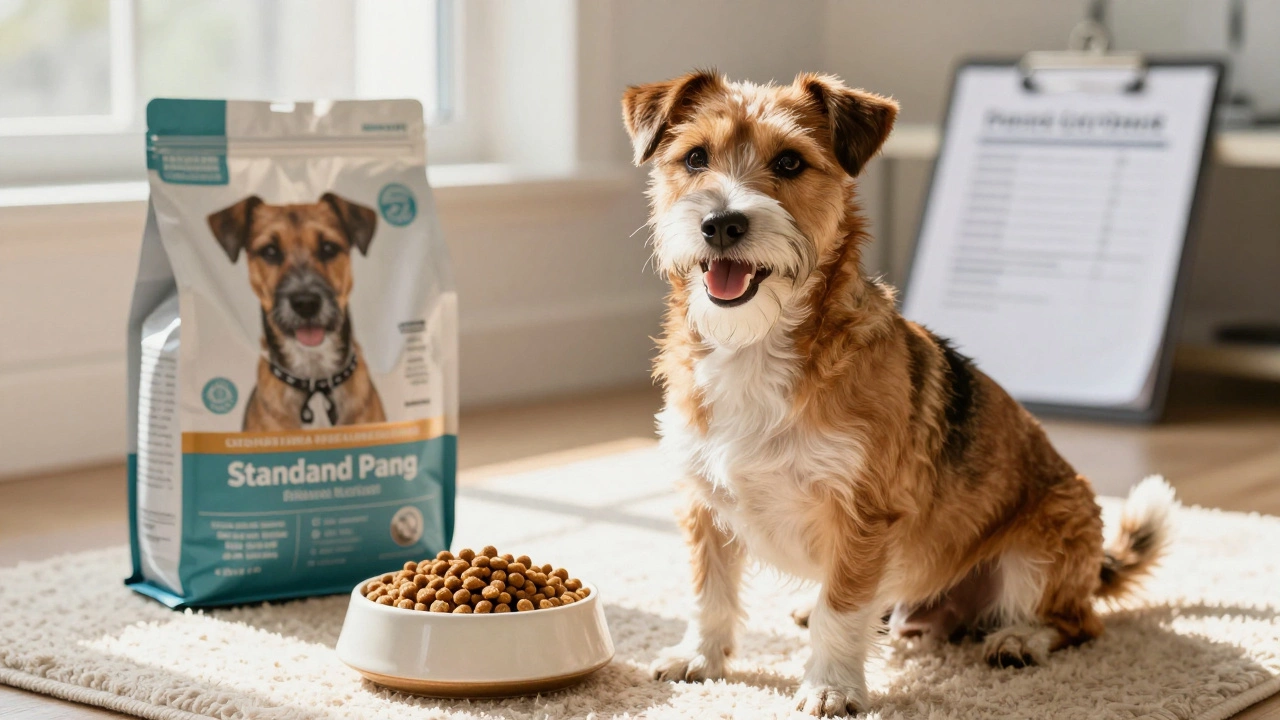
So, where does that leave us? Is Beneful a poison pill, or just affordable kibble? For the average healthy dog with no allergies, Beneful is generally safe and nutritionally complete according to AAFCO standards. It won’t kill your dog. In fact, millions of dogs thrive on it. The primary "issues" are not acute toxicity, but rather long-term concerns about ingredient quality and palatability.
If you are on a tight budget, Beneful offers a decent price-to-nutrition ratio. It contains real meat and essential nutrients. However, if your dog has sensitive skin, chronic ear infections, or gastrointestinal issues, the corn and wheat content might be exacerbating those problems. In such cases, spending a bit more on a limited-ingredient diet or a veterinary-prescribed food might save you money on vet bills in the long run.
Consider your dog’s individual needs. A young, active Labrador might do fine on Beneful. An older Golden Retriever with a known grain sensitivity might struggle. Always transition slowly when changing foods, mixing the new kibble with the old over a week to avoid digestive shock. And never rely solely on internet forums; talk to your vet. They see the clinical outcomes of these diets every day.
Alternatives to Consider
If the history of Beneful makes you uncomfortable, or if your dog reacts poorly to its ingredients, there are plenty of alternatives. Brands like Royal Canin offer breed-specific formulas with rigorous testing. Hill's Science Diet is another trusted name with strong veterinary backing. For those seeking higher quality without the premium price tag, brands like Purina Pro Plan (also owned by Nestlé Purina, a competitor to Mars) offer similar safety standards with slightly different ingredient profiles.
If you are worried about grains, look for brands that use novel carbohydrates like sweet potato or quinoa instead of peas and lentils, to mitigate the DCM risk. Remember, the "best" food is the one your dog eats, digests well, and maintains a healthy weight on. No single brand is perfect for every dog.
Did Beneful cause dog deaths in 2005?
Yes, indirectly. Dogs that ate Beneful during the 2005-2007 period suffered from liver failure and death due to contamination with DMDPH in wheat and corn gluten meal. The contamination came from a Chinese supplier, not from the recipe itself. The brand has since improved its sourcing and safety protocols significantly.
Is Beneful safe to feed my dog in 2026?
Yes, current formulations of Beneful are considered safe by regulatory bodies like the FDA and AAFCO. There have been no major recalls linked to toxicity since the mid-2000s. However, individual dogs may have allergies to ingredients like corn or wheat found in the food.
Does Beneful contain artificial preservatives?
Most current Beneful dry food formulas use mixed tocopherols (vitamin E) as a natural preservative. Older formulas contained BHA and BHT, but these have been largely phased out due to consumer demand for cleaner labels. Always check the specific ingredient list on the bag you are buying.
Can Beneful cause heart disease in dogs?
Standard Beneful formulas are not grain-free, so they are not directly linked to the Dilated Cardiomyopathy (DCM) outbreak associated with grain-free diets containing legumes. However, any diet lacking adequate taurine can contribute to heart issues. Consult your vet if you are concerned about heart health.
What are the main criticisms of Beneful today?
The main criticisms today focus on ingredient quality rather than safety. Critics point to the use of "meat by-products," corn, wheat, and soy as low-quality fillers that may cause allergies or digestive issues in sensitive dogs. It is also considered a lower-tier budget brand compared to premium veterinary diets.