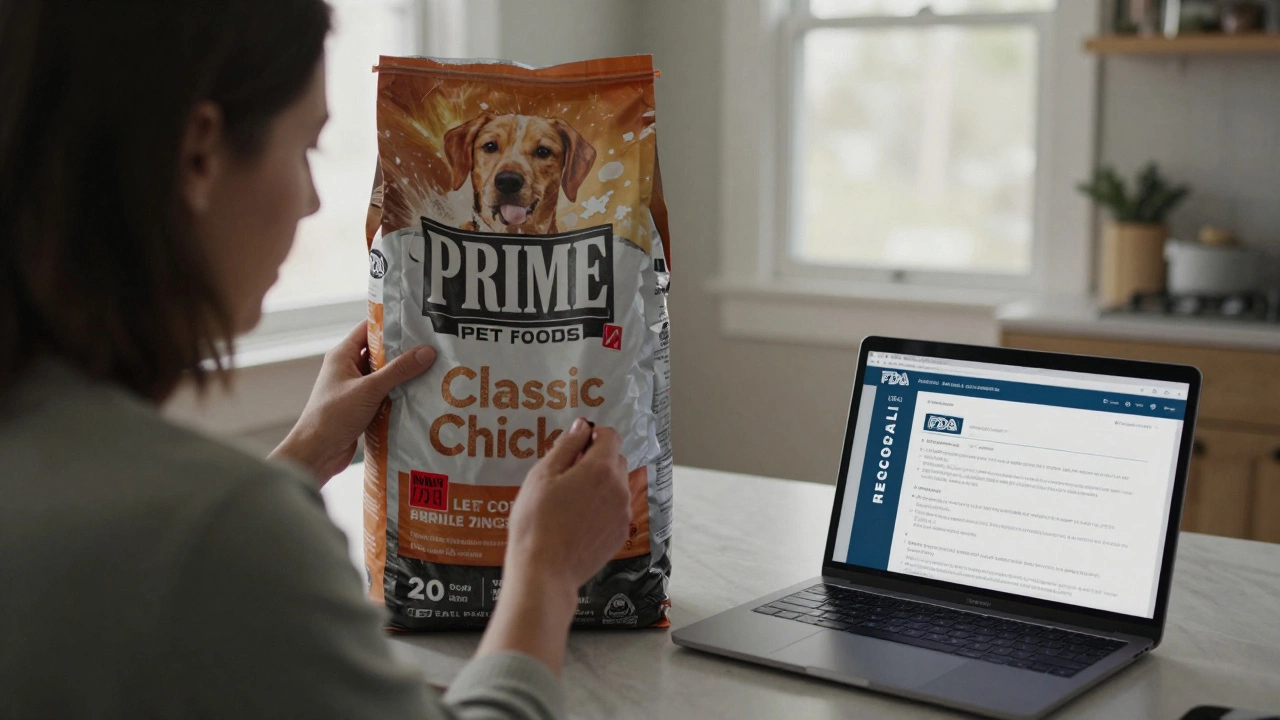
Dog Food Recall Checker
Enter your dog food's lot code to check if it's part of an active recall. This tool checks against the most recent recalls in 2024.
If you’re feeding your dog kibble or canned food, you need to know if your brand has been pulled from shelves. A single recalled batch can contain harmful bacteria, toxic chemicals, or dangerous ingredients that make your dog sick-or worse. In 2024, several dog food brands were recalled across the U.S. and Europe, and while some have been resolved, others are still active. This isn’t just about checking your pantry-it’s about protecting your pet’s life.
What causes dog food to be recalled?
Recalls happen when a product is found to be unsafe. The most common reasons in 2024 were salmonella contamination, elevated vitamin D levels, and foreign objects like plastic or metal. The FDA and EFSA (European Food Safety Authority) investigate reports from pet owners and veterinarians. If multiple dogs show signs of illness after eating the same food, a recall is issued.
Salmonella is a big one. It doesn’t just make dogs sick-it can spread to humans through handling contaminated food or cleaning bowls. In January 2024, a batch of Prime Pet Foods Classic Chicken tested positive for salmonella after a dog in Ohio died and three others became severely ill. The company voluntarily recalled all lots with expiration dates between July 2023 and December 2023.
Another major issue was too much vitamin D. It sounds harmless, even helpful, but too much can cause kidney failure. In March 2024, Blue Ridge Pet Nutrition’s Lamb & Rice was pulled after tests showed levels 10 times higher than the safe limit. Dogs that ate it for more than two weeks developed vomiting, lethargy, and in some cases, irreversible kidney damage.
Current dog food recalls in 2024
As of March 2024, these recalls are still active:
- Prime Pet Foods Classic Chicken (dry kibble, 20 lb and 40 lb bags) - Salmonella contamination. Lot codes: P230701 to P231215. Expiration dates: July-December 2023.
- Blue Ridge Pet Nutrition Lamb & Rice (dry kibble, 15 lb and 30 lb bags) - Excess vitamin D. Lot codes: BR231108 to BR240112. Expiration dates: November 2023-January 2024.
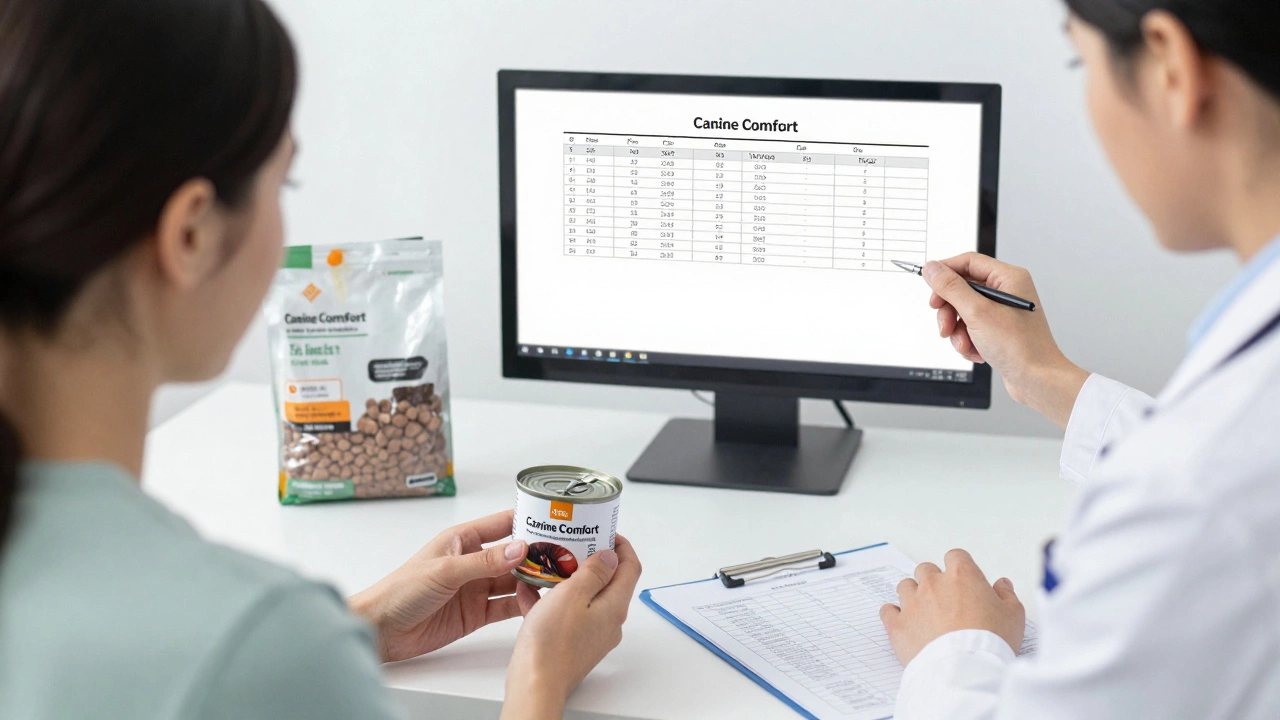
- Canine Comfort Wet Food (Beef & Barley) (canned, 13 oz cans) - Foreign material: small plastic fragments. Lot codes: CC230904 to CC231018. Expiration dates: September-October 2023.
These are not the only ones. Smaller recalls happen every week. Some are limited to one warehouse or one state. The key is to check the lot code on your bag or can. Packaging changes often, so don’t rely on the brand name alone.
How to check if your dog’s food is recalled
You can’t just Google the brand name and assume you’re safe. Recalls are specific to batch numbers. Here’s how to check:
- Find the lot code on the back or bottom of the bag/can. It usually starts with letters and numbers, like P230701.
- Go to the FDA’s Pet Food Recall Page: fda.gov/veterinary-compounding (or EFSA’s equivalent in Europe).
- Enter the lot code. If it matches a recall, you’ll see the reason and what to do next.
- Call your vet if your dog ate the food and shows signs like vomiting, diarrhea, loss of appetite, or unusual tiredness.
Many pet stores now have QR codes on packaging that link directly to recall status. Scan it with your phone. If it says "Not Affected," you’re safe. If it says "Recalled," stop feeding it immediately.
What to do if your dog ate recalled food
If you find out your dog ate a recalled product, don’t panic-but act fast.
- Stop feeding the food right away. Even if your dog seems fine, symptoms can take days to appear.
- Save the bag or can. You’ll need the lot code and expiration date for reimbursement or a claim.
- Call your vet. They may want to run blood tests for kidney or liver damage, especially if it’s the vitamin D recall.
- Return the food to the store. Most will give you a full refund or replacement.
- Report it. Go to the FDA’s Safety Reporting Portal or your country’s equivalent. Your report helps them track patterns and prevent future recalls.
One owner in Colorado reported her dog’s illness after eating Blue Ridge Lamb & Rice. That single report triggered a nationwide investigation. Without her call, more dogs might have been affected.
How to avoid future recalls
Recalls aren’t always preventable, but you can reduce risk:
- Buy from brands that publish lab test results. Companies like Orijen and Acana post third-party test reports online.
- Avoid foods with vague ingredients like “meat meal” or “animal by-products.” Look for specific sources: “chicken meal from USDA-inspected facilities.”
- Don’t buy from discount warehouse stores if the packaging looks worn, dented, or poorly sealed.
- Sign up for recall alerts. The FDA sends free email updates. So does the ASPCA.
- Rotate brands every few months. It reduces exposure if one brand has a hidden issue.
Some pet parents swear by homemade diets. But unless you’re working with a veterinary nutritionist, you risk imbalanced meals. A 2023 study from the University of Edinburgh found that 80% of homemade dog food recipes lacked essential nutrients. Stick to commercial brands with a solid track record.
What’s not being recalled (and why)
Just because a brand hasn’t been recalled doesn’t mean it’s perfect. Some companies avoid recalls because they test every batch. Others avoid them because they don’t test at all-and hope no one notices.
Brands like Wellness Core, Royal Canin, and Hill’s Science Diet have had zero recalls in 2024. That’s because they test every single production batch for pathogens and nutrient levels. They also have traceability systems that let them pull a single pallet if needed.
On the flip side, some budget brands have had multiple recalls in the last three years. They cut corners on testing to save money. The FDA has flagged several of them for repeated violations.
Where to find official recall lists
Don’t trust blogs or social media posts. Go straight to the source:
- U.S.: FDA Pet Food Recalls Page (fda.gov/veterinary-compounding)
- UK/EU: EFSA Rapid Alert System for Food and Feed (efsa.europa.eu/en/alerts)
- Canada: Canadian Food Inspection Agency (cfia.gc.ca)
- Australia: Australian Pesticides and Veterinary Medicines Authority (apvma.gov.au)
These sites are updated daily. If a recall is issued, it appears within 24 hours. Bookmark them.
What happens after a recall?
Once a recall is issued, the company must notify retailers, pull inventory, and offer refunds. Most offer full refunds or replacement food. Some also pay for vet bills if your dog got sick.
But not all companies do the right thing. In 2024, one small brand refused to reimburse a dog owner whose pet developed kidney failure. The FDA stepped in, fined the company $25,000, and forced them to issue a public apology.
If you’re not getting a refund, contact your country’s food safety agency. They can help you file a formal complaint.
Final reminder: Check your dog’s food today
It takes two minutes to check the lot code on your dog’s food bag. That’s less time than it takes to scroll through your phone. But those two minutes could save your dog’s life.
Look at the bag. Find the code. Visit the FDA or EFSA site. If it’s listed, stop feeding it. Call your vet. Get a refund. Report it.
Your dog can’t tell you something’s wrong. You have to do it for them.
How do I find the lot code on my dog food?
The lot code is usually printed on the back or bottom of the bag or can. It’s a mix of letters and numbers, often near the expiration date. Look for labels like "Lot #", "Code", or "Best By". If you can’t find it, take a photo of the packaging and contact the manufacturer directly.
Can I still feed my dog if the expiration date hasn’t passed?
No. Expiration dates don’t determine safety-batch contamination does. A food can be recalled even if it’s fresh. Always check the lot code against official recall lists, not just the expiration date.
Are organic or grain-free dog foods safer?
Not necessarily. Organic doesn’t mean free of bacteria, and grain-free foods have been linked to heart issues in some dogs. Safety comes from testing and transparency, not marketing labels. Always check recall lists regardless of the food type.
What signs indicate my dog ate contaminated food?
Common signs include vomiting, diarrhea (especially if bloody), loss of appetite, lethargy, increased thirst, or urination. If your dog shows any of these after eating a new batch of food, stop feeding it and call your vet immediately. Kidney damage from too much vitamin D can develop slowly, so don’t wait for symptoms to worsen.
Do recalls happen often?
Yes. On average, 10-15 dog food recalls happen each year in the U.S. and EU. Most are small, affecting only one batch. But a few each year are large-scale and impact thousands of bags. Staying informed is the best way to protect your pet.