Cat Food Ingredient Safety Analyzer
Enter an ingredient list above to see a detailed breakdown of what's good and what to avoid for your cat's health.
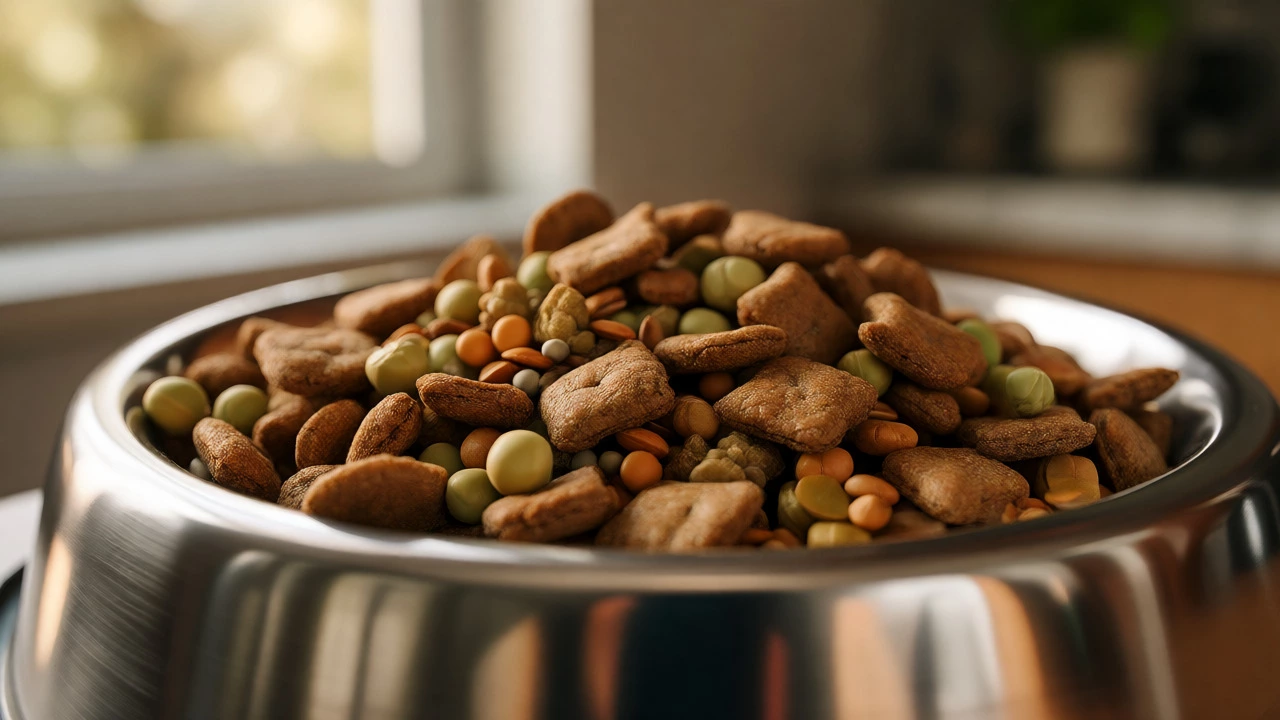
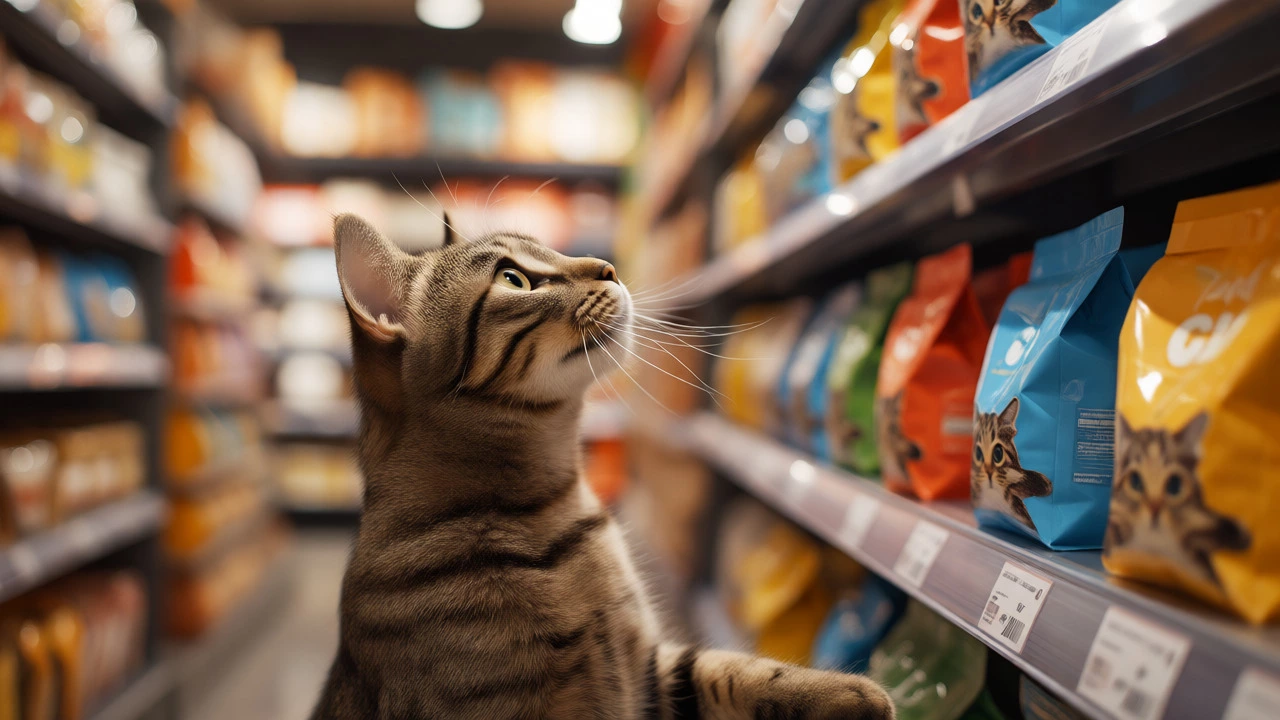
You pick up a bag of dry cat food is kibble-based feline nutrition designed for convenience and dental health claims because it’s easy. You pour it into the bowl, walk away, and come back to an empty dish. It seems like the perfect solution for busy pet owners. But have you ever stopped to read the label past the first three ingredients? Most commercial dry cat foods contain fillers, artificial additives, and low-quality proteins that do more harm than good over time.
Cats are obligate carnivores. Their biology demands meat, not plants or processed starches. When we feed them diets high in carbohydrates and synthetic chemicals, we set the stage for obesity, diabetes, kidney disease, and urinary tract issues. Understanding what is *not* good for your cat in dry food is the first step toward better health. Let’s break down the specific ingredients you need to watch out for.
The Carbohydrate Problem: Grains and Fillers
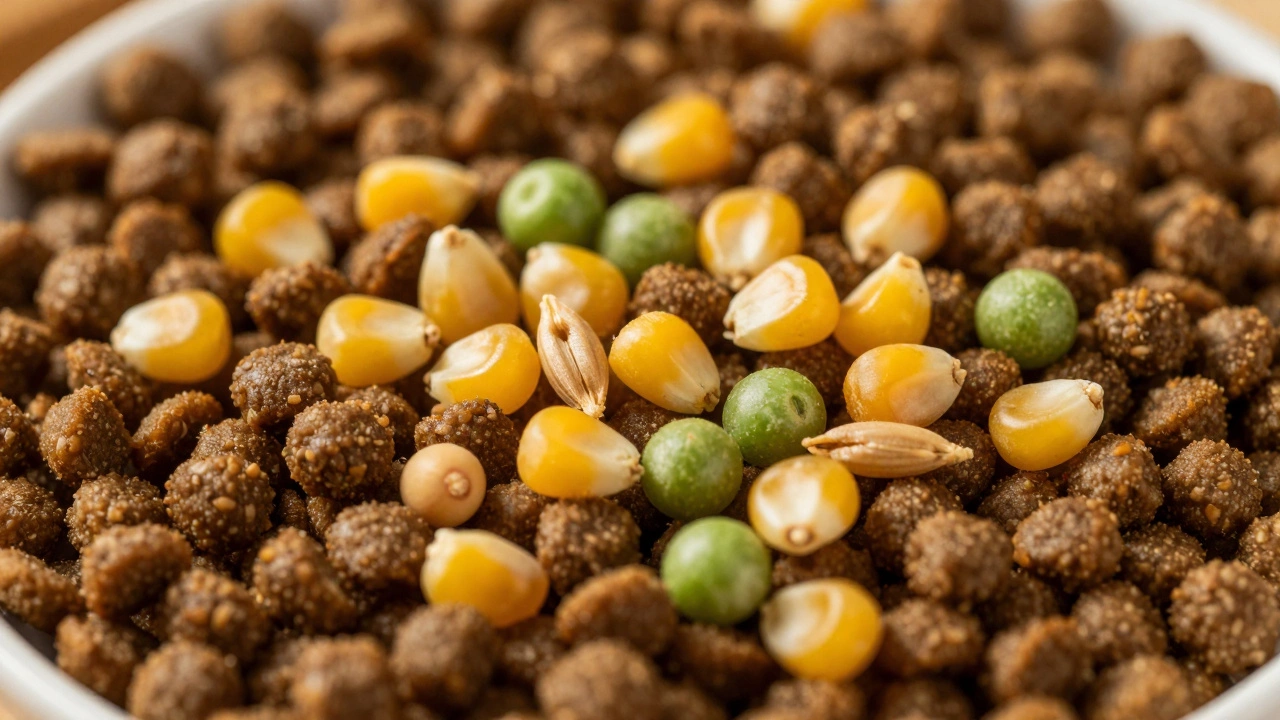
The biggest issue with most dry cat food is the sheer volume of plant-based ingredients. Unlike dogs, who can digest moderate amounts of carbs, cats have very little amylase in their saliva and limited ability to process sugars and starches. When manufacturers add grains like corn, wheat, or soy, they aren’t doing it for nutritional value. They’re doing it to bulk up the product cheaply.
Corn is a common filler ingredient in pet food that provides minimal nutritional benefit to obligate carnivores is often listed as "corn gluten meal" or "ground corn." While it adds some protein on paper, it’s mostly indigestible fiber and starch for cats. This leads to bloating, gas, and poor nutrient absorption. Wheat and barley follow the same pattern. They are cheap binders that help hold the kibble together during extrusion but offer zero biological value to a predator evolved to eat muscle meat and organs.
Even if the bag says "grain-free," don’t let that fool you. Many brands simply swap corn for potatoes, peas, or lentils. These legumes and tubers are still high-carb sources. In fact, the shift to grain-free diets has been linked to a rise in dilated cardiomyopathy (DCM) in pets, according to investigations by the FDA. The mechanism isn’t fully understood, but it likely involves taurine malabsorption caused by high levels of certain plant proteins.
Low-Quality Protein Sources
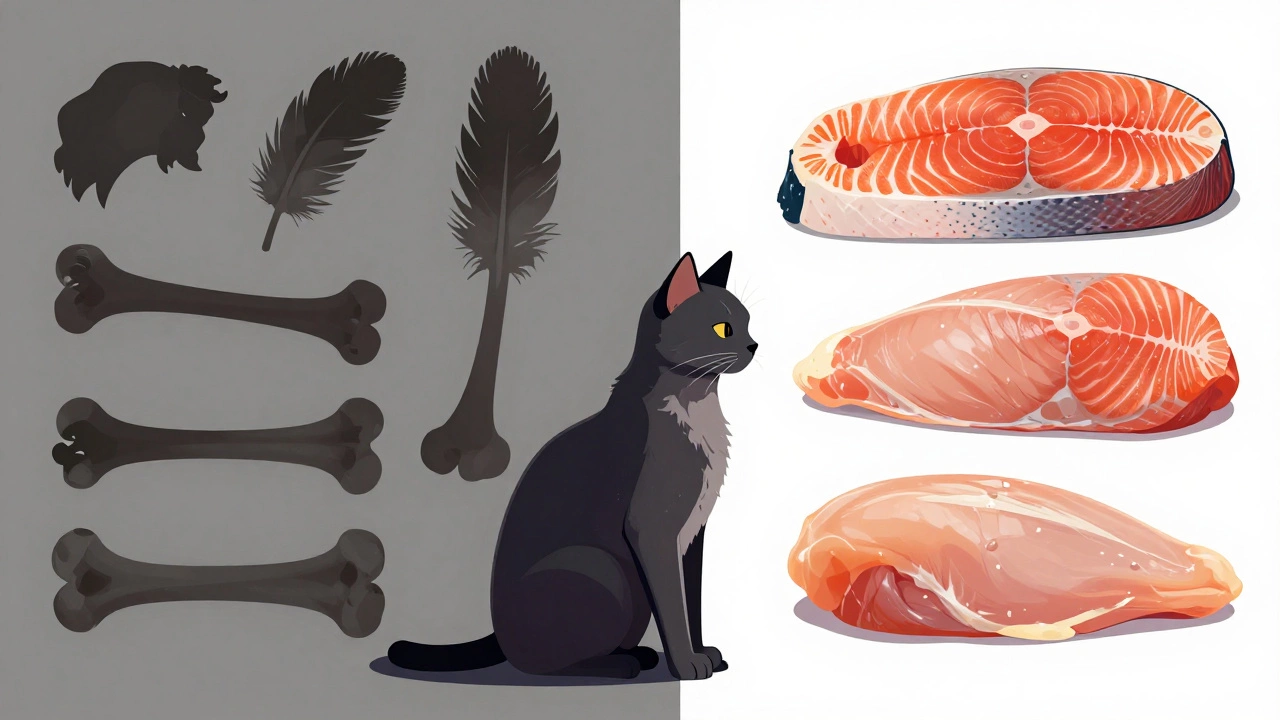
Not all protein is created equal. If you see vague terms like "meat by-products," "animal digest," or "poultry meal" without specifying the source, put the bag back. These ingredients are often made from parts of animals no one wants-feathers, hooves, beaks, and bones. They may technically provide amino acids, but they lack the bioavailability of fresh, named meats.
Chicken meal is dehydrated chicken tissue including skin, bone, and offal, which can be a concentrated protein source if quality-controlled is acceptable only if it’s the primary ingredient and comes from a reputable manufacturer. However, many budget brands use generic "meat meal" which could include any animal, including roadkill or diseased livestock. Always look for specific sources: "chicken," "salmon," "turkey," or "beef." If the word "meal" isn’t paired with a specific animal name, assume it’s low-grade.
Another red flag is when plant proteins outrank animal proteins. If the second or third ingredient is pea protein or soy flour, your cat is eating a vegetarian diet disguised as meat. Cats require essential amino acids like taurine and arginine, which are abundant in animal tissue but scarce or absent in plants. Supplementing these artificially doesn’t always work as well as getting them from whole food sources.
Artificial Colors, Flavors, and Preservatives
Your cat doesn’t care if the kibble looks like bright orange nuggets or smells like bacon. Those sensory cues are designed for you, the buyer. Artificial colors such as Red 40, Yellow 5, and Blue 2 serve no nutritional purpose. They are petroleum-derived dyes used to make the food visually appealing. Some studies suggest links between artificial dyes and hyperactivity or allergic reactions in sensitive animals, though evidence is mixed. Still, why risk it?
BHA and BHT are synthetic antioxidants used as preservatives in pet food that have potential carcinogenic effects with long-term exposure are common preservatives found in cheap dry foods. While they prevent fats from going rancid, they are controversial due to potential cancer risks. Natural alternatives like mixed tocopherols (Vitamin E) and rosemary extract are safer and equally effective. Similarly, avoid ethoxyquin, another synthetic preservative banned in human food in several countries but still allowed in pet food in the US.
Artificial flavors, often labeled as "natural flavors" (which is misleading), are usually derived from hydrolyzed feathers or liver powder treated with enzymes to create a strong smell. This tricks cats into eating otherwise unappealing food. Over time, this can lead to picky eating habits where your cat refuses anything that doesn’t have intense chemical seasoning.
The Moisture Myth and Kidney Strain
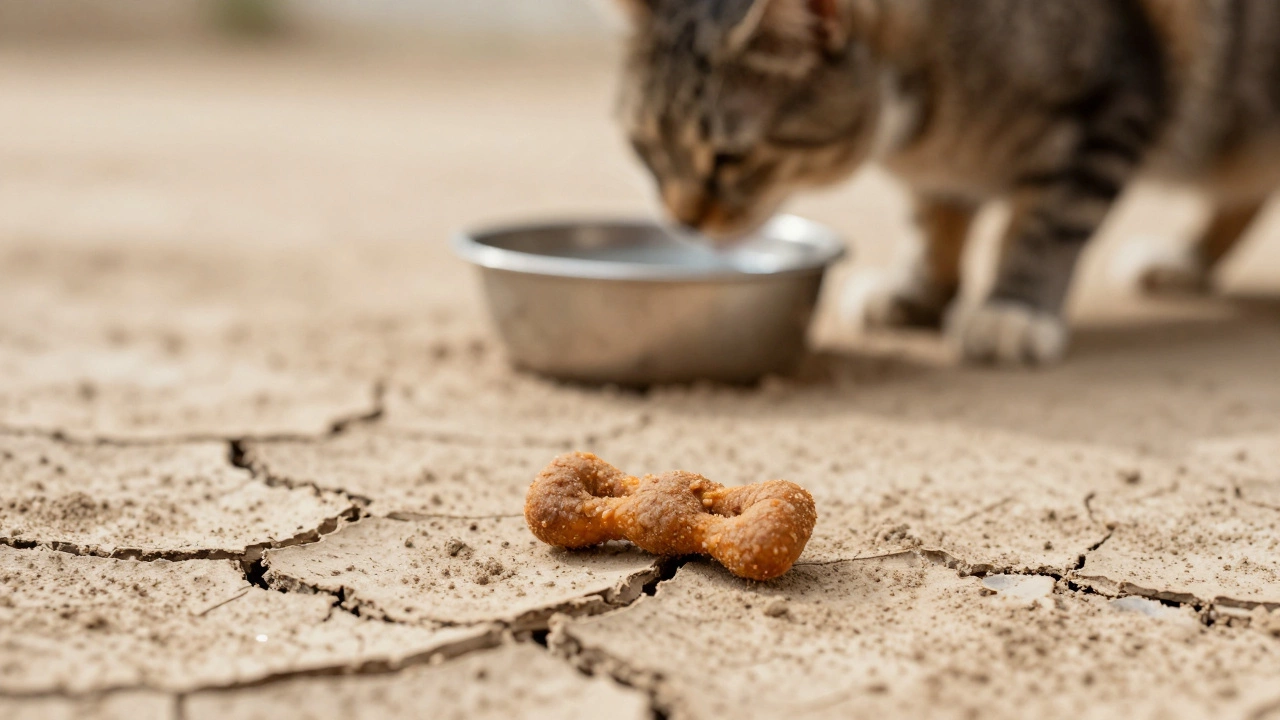
Dry cat food typically contains only 10% moisture. Wild cats get nearly 70-80% of their water intake from prey. Domestic cats fed exclusively dry kibble are chronically dehydrated unless they drink massive amounts of water, which most don’t. This chronic low-level dehydration puts immense strain on the kidneys.
Chronic kidney disease is a progressive condition affecting older cats, exacerbated by low-moisture diets and high phosphorus levels is one of the leading causes of death in senior cats. Feeding dry food contributes directly to this by concentrating waste products in the urine. Without enough water to flush them out, crystals form, leading to painful urinary blockages, especially in male cats. Switching to wet food or adding water to kibble can significantly reduce this risk.
Additionally, dry food is calorie-dense and easy to overfeed. A cup of kibble can contain 300-400 calories, while a can of wet food might have only 80-100. It’s incredibly easy to accidentally overfeed your cat with dry food, leading to obesity. Obese cats face higher risks of diabetes, arthritis, and heart disease.
How to Read Labels Like a Pro
Don’t trust the front of the bag. Look at the ingredient list on the side. Ingredients are listed by weight before processing. Remember that raw meat loses about 70% of its weight when cooked and ground. So even if "chicken" is listed fifth, it might actually be less than the fourth ingredient after cooking. To compare fairly, calculate the total percentage of named meat sources versus fillers.
| Avoid (Red Flag) | Choose Instead (Green Light) | Why It Matters |
|---|---|---|
| Corn, Wheat, Soy | Named meats (Chicken, Salmon) | Cats cannot efficiently digest plant starches; they need animal protein. |
| Meat By-Products | Whole Muscle Meat | By-products include low-quality parts; muscle meat provides optimal amino acids. |
| BHA, BHT, Ethoxyquin | Mixed Tocopherols, Rosemary Extract | Synthetic preservatives pose long-term health risks; natural options are safer. |
| Artificial Colors (Red 40, etc.) | No added color | Colors serve no nutritional purpose and may cause allergies. |
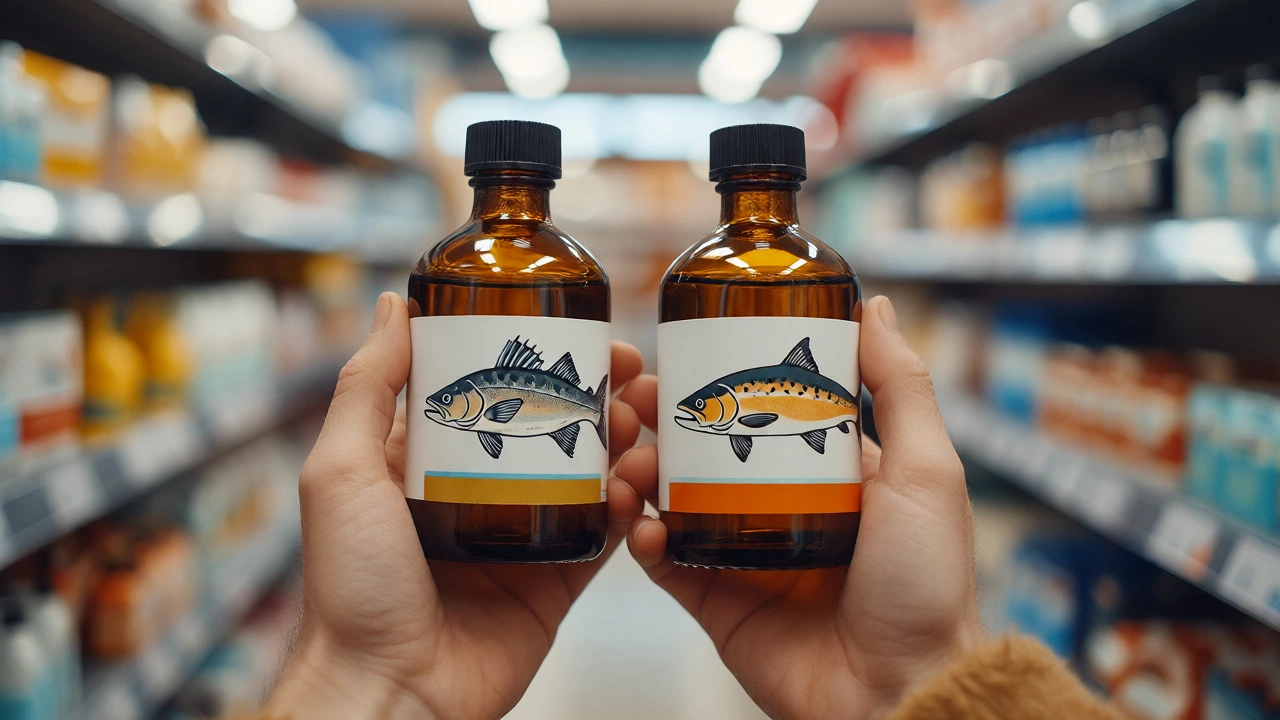
| Vague "Animal Fat" | Specific Fat Source (Salmon Oil) | Specific fats provide known Omega-3s; vague sources may be oxidized. |
Look for AAFCO statement compliance. This ensures the food meets minimum nutritional standards for your cat’s life stage (growth, maintenance, or all life stages). However, AAFCO sets minimums, not maximums. Just because it’s compliant doesn’t mean it’s healthy. Aim for foods with high meat content, low carbs, and natural preservation.
Transitioning Away from Dry Food
If your cat is currently on a poor-quality dry diet, don’t switch overnight. Sudden changes can cause digestive upset. Mix increasing amounts of new food with the old over 7-10 days. Start with 25% new, 75% old, then move to 50/50, then 75% new, and finally 100% new.
Consider a hybrid approach if full transition to wet food is difficult. Add warm water or low-sodium broth to the kibble to increase moisture. Or offer small portions of high-quality canned food alongside reduced kibble. Monitor your cat’s weight, energy levels, and litter box habits closely during the transition. Any signs of vomiting, diarrhea, or refusal to eat should prompt a vet visit.
Remember, convenience shouldn’t come at the cost of your cat’s health. Investing in better quality food now prevents expensive vet bills later. Your cat relies on you to decode those labels. Take the time to choose wisely.
Is grain-free dry cat food healthier than regular dry food?
Not necessarily. Grain-free diets often replace grains with high-carb vegetables like potatoes and peas. Recent FDA investigations link grain-free diets to dilated cardiomyopathy (heart disease) in pets. Unless your cat has a diagnosed grain allergy, there is no proven benefit to avoiding grains. Focus on high meat content instead.
Can I feed my cat only dry food?
While possible, it’s not ideal. Dry food lacks sufficient moisture, leading to chronic dehydration and increased risk of kidney and urinary diseases. Cats evolved to get water from prey. Supplementing with wet food or adding water to kibble is strongly recommended for long-term health.
What does "meat by-products" mean in cat food?
Meat by-products are non-flesh tissues like lungs, spleens, kidneys, brains, livers, blood, bones, and stomachs. While some organs are nutritious, by-products often include low-quality parts like feathers and hooves. They vary widely in quality and nutritional value compared to named muscle meats.
Are artificial preservatives safe for cats?
Synthetic preservatives like BHA, BHT, and ethoxyquin are controversial due to potential carcinogenic effects with long-term exposure. Natural alternatives like mixed tocopherols (Vitamin E) and rosemary extract are safer and equally effective at preventing fat oxidation. Opt for foods using natural preservatives whenever possible.
How much dry food should I feed my cat?
Portion sizes vary by brand, age, and activity level. Generally, adult cats need 20-30 calories per pound of body weight daily. Check the packaging guidelines but adjust based on your cat’s body condition. Free-feeding dry food often leads to overeating and obesity. Measured meals are safer.