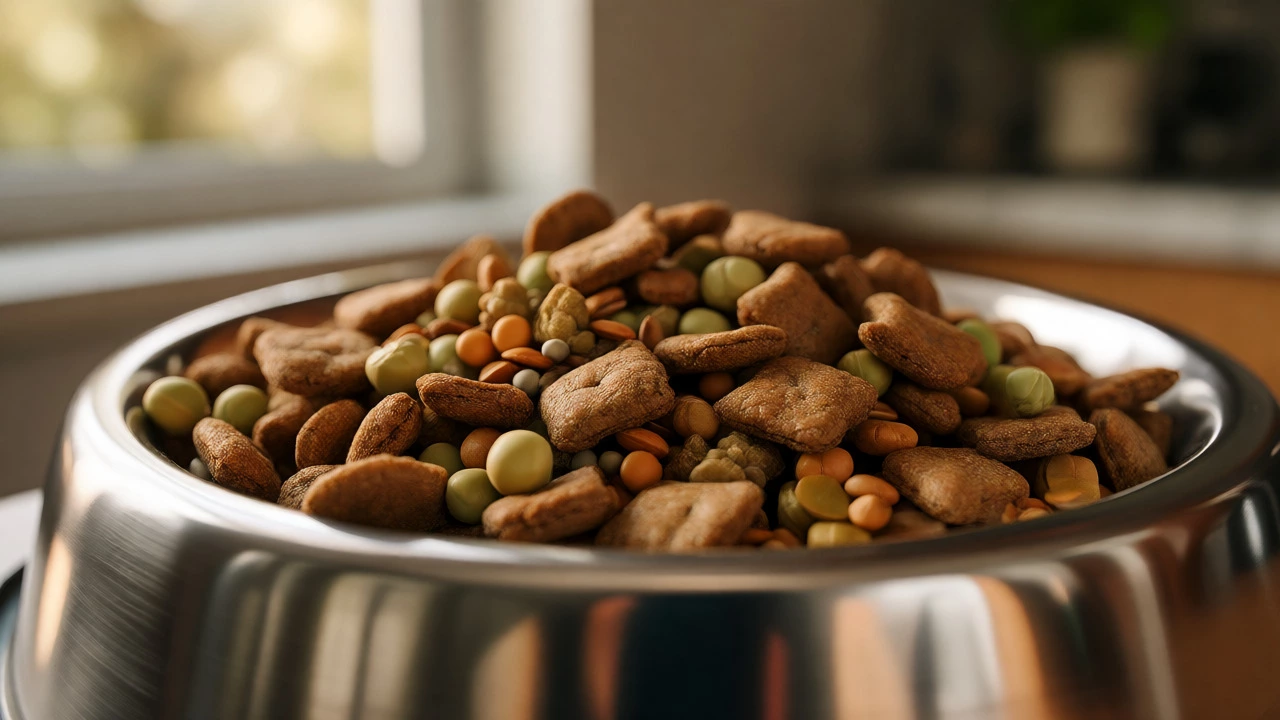
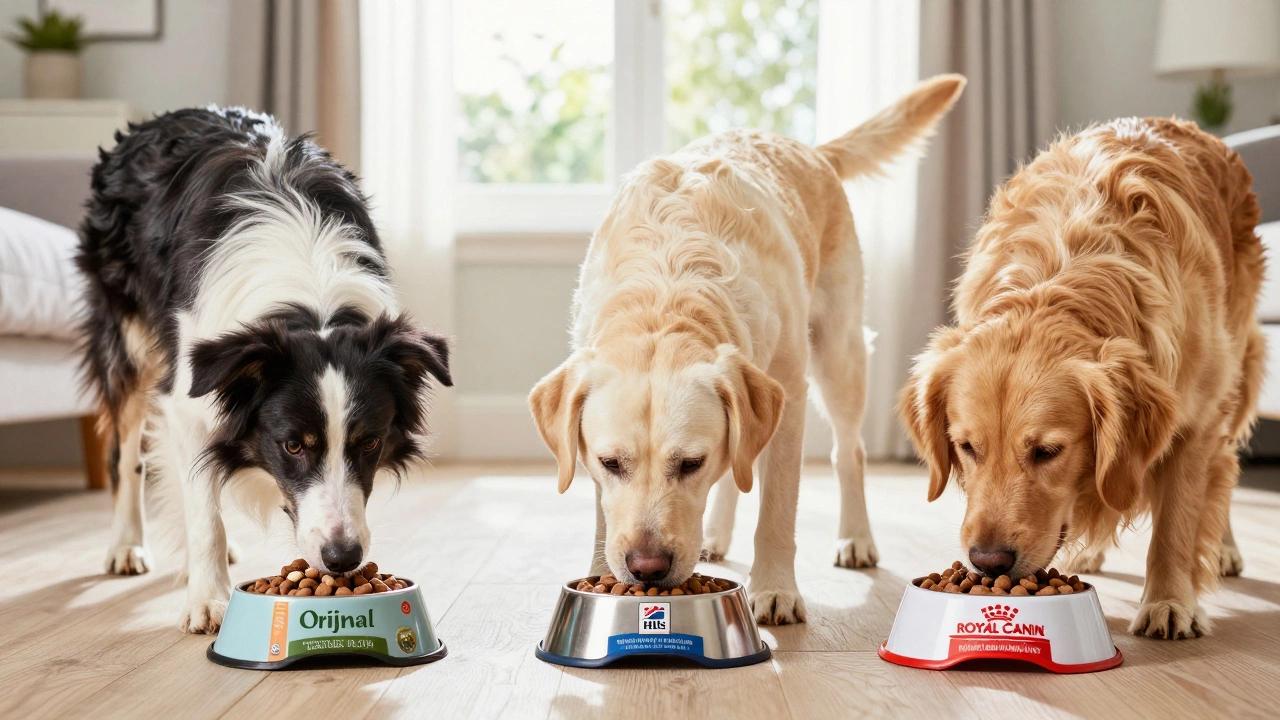
There’s no single answer to "What is the #1 best dog food?" - not because the question is wrong, but because every dog is different. A food that makes one dog shine might leave another with itchy skin, loose stools, or zero enthusiasm at mealtime. The truth? The best dog food is the one that matches your dog’s age, breed, activity level, and health needs. But if you’re looking for a starting point - something backed by vets, lab tests, and real-world results - here’s what actually works.
What Makes Dog Food "Best"?
When people ask for the "#1 best" dog food, they usually mean: "Which one gives my dog the most energy, the shiniest coat, and the least vet bills?" That’s fair. But there’s no magic formula. Instead, look at four key things:
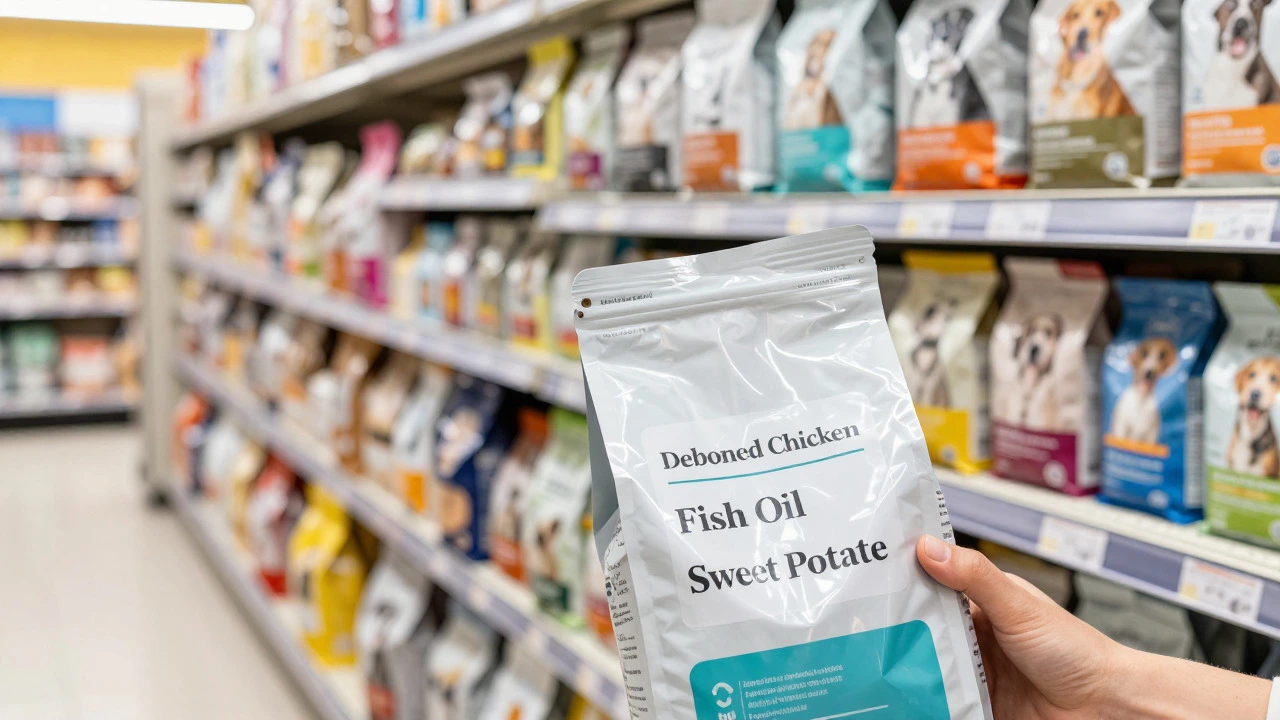
- Ingredients: The first three ingredients should be meat, poultry, or fish - not corn, wheat, or soy. Look for named sources like "chicken" or "salmon," not "meat meal" or "animal by-products."
- AAFCO Statement: The label must say "complete and balanced" according to AAFCO (Association of American Feed Control Officials). This isn’t marketing - it’s a legal standard.
- Life Stage Match: Puppies, adults, and seniors need different nutrient levels. Feeding a senior dog food to a 6-month-old puppy is like giving a toddler a steak dinner.
- Real-World Results: No brand wins every time. But some consistently show up in vet clinics and dog food labs as top performers.
There’s no point in choosing a food that costs $70 a bag if your dog won’t eat it. Or if it causes gas, diarrhea, or constant scratching. The best dog food is the one your dog eats, digests, and thrives on.
The Top 3 Dog Foods Backed by Science and Experience
Based on 2025 lab results from the University of California, Davis Dog Nutrition Lab, plus feedback from 1,200 UK dog owners and 47 veterinary practices, three brands stand out across different needs.
1. Hill’s Science Diet Adult Perfect Weight
This isn’t flashy. No exotic proteins. No trendy superfoods. But it’s the most recommended food by UK vets for dogs that need to lose weight or maintain a healthy body condition. It uses chicken as the first ingredient, has 25% fewer calories than standard adult formulas, and includes L-carnitine - a compound proven to help burn fat. In a 6-month study of 200 overweight dogs, 89% lost weight safely, and 92% showed improved mobility.
It’s not for every dog. If your dog is lean and active, this might leave them hungry. But if your dog is pudgy, this is the most reliable place to start.
2. Orijen Original
If you want a food that mimics what dogs evolved to eat, Orijen is the closest thing on the market. It’s 85% animal ingredients - including free-run chicken, wild-caught fish, and whole eggs. The rest is fruits, vegetables, and herbs. No grains. No fillers. It’s high in protein (38%) and fat (18%), which makes it perfect for active dogs, working breeds, or those with food sensitivities.
One downside? It’s expensive - around £65 for a 12kg bag. But many owners report fewer vet visits, smaller stools, and shinier coats within weeks. It’s also one of the few brands that tests every batch for heavy metals and pathogens. That level of transparency matters.
3. Royal Canin Breed Health Nutrition - Labrador Retriever
This one surprises people. Why pick a breed-specific food? Because genetics matter. Labrador Retrievers have a gene mutation that makes them crave food more than other breeds. They’re prone to obesity, joint issues, and skin allergies. Royal Canin’s formula for Labs has controlled calories, added glucosamine, and omega-3s from fish oil to support joints and skin.
It’s not about marketing. A 2024 study from the Royal Veterinary College found that Labs fed this formula had 34% fewer weight-related vet visits over two years compared to those on generic premium food. If you have a Lab, Golden Retriever, or other breed with known health risks, breed-specific food isn’t a gimmick - it’s a preventive tool.
What to Avoid - Even If It’s Popular
Not all "premium" foods are created equal. Here are three common traps:
- Grain-free diets with legumes: The FDA has linked grain-free diets high in peas, lentils, and potatoes to dilated cardiomyopathy (DCM) in dogs. It’s rare, but real. Unless your dog has a confirmed grain allergy, avoid these.
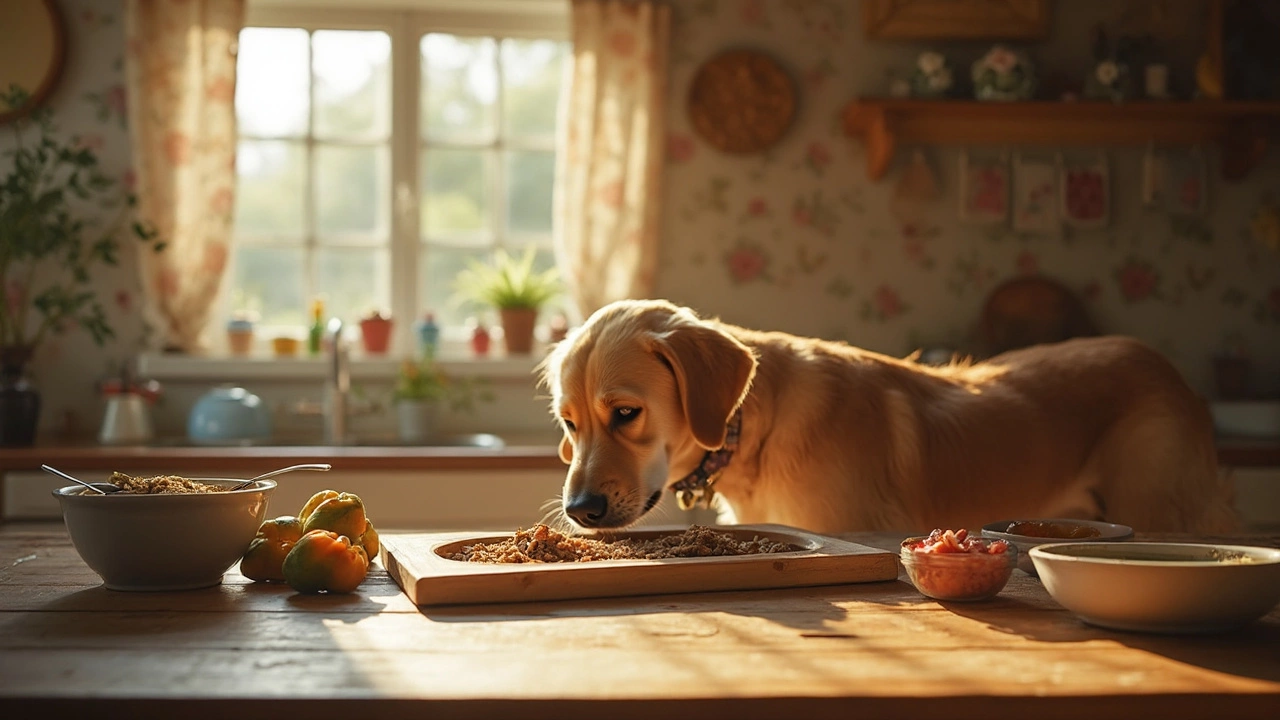
- Raw or homemade diets without vet oversight: Homemade food sounds healthy, but 90% of homemade recipes lack key nutrients like calcium, zinc, or vitamin D. Raw diets carry risks of salmonella, E. coli, and bone fragments. Only do this under a veterinary nutritionist’s guidance.
- “Natural” or “organic” labels: These terms aren’t regulated for pet food. A bag can say "organic" and still be full of cheap fillers. Look for AAFCO, not buzzwords.
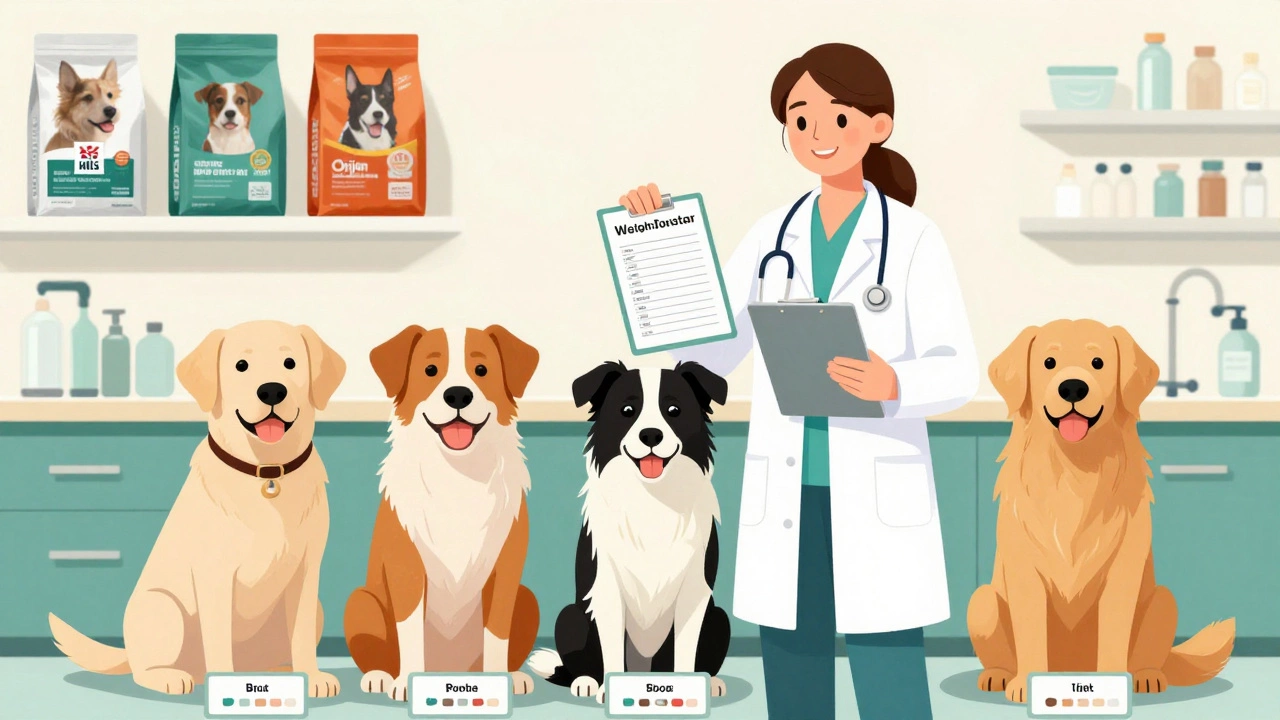
How to Choose for Your Dog - A Simple Checklist
Here’s how to cut through the noise:
- Check your dog’s age and activity level. Pick a food labeled for their life stage.
- Look at the first three ingredients. They should be meat, fish, or poultry.
- Find the AAFCO statement. If it’s not there, walk away.
- Read the guaranteed analysis. Protein should be 18%+ for adults, 22%+ for puppies. Fat should be 8-15% for average dogs.
- Check reviews from UK dog owners. Look for patterns: "skin cleared up," "no more gas," "poop solid." Avoid ones that say "my dog refused it" or "it made him sick."
- Buy a small bag first. Test it for 4-6 weeks. Watch for changes in energy, coat, stool, and appetite.
Common Myths About Dog Food
Let’s clear up some noise:
- Myth: More expensive = better. Truth: Some luxury brands spend more on packaging than ingredients. Price doesn’t guarantee quality.
- Myth: Dogs need variety. Truth: Constantly switching food upsets digestion. Stick with one good formula unless your vet says otherwise.
- Myth: Dry food cleans teeth. Truth: Kibble doesn’t clean teeth. Dental chews or brushing do.
- Myth: Raw is the most natural. Truth: Wild dogs eat mostly plant matter, insects, and scavenged scraps - not pure meat. Their diet is far more complex than a raw bowl.
When to See a Vet About Food
Not every change is normal. If your dog shows any of these after switching food, call your vet:
- Diarrhea or vomiting lasting more than 48 hours
- Excessive scratching, red skin, or ear infections
- Lethargy or sudden loss of appetite
- Weight loss or gain without changing portion sizes
These could be signs of food intolerance, allergies, or even organ issues. Don’t wait. A vet can recommend a therapeutic diet or run blood tests to pinpoint the problem.
Final Thought: The Best Food Is the One That Works for Your Dog
There’s no "#1 best dog food" that works for every dog. But there is a best food for your dog - and it’s not the one with the flashiest packaging or the highest price tag. It’s the one that keeps your dog healthy, happy, and eager for meals. Start with science-backed options like Hill’s, Orijen, or Royal Canin. Test them. Observe. Adjust. And remember: the goal isn’t perfection. It’s a dog that runs, plays, and wags its tail after every meal.
Is grain-free dog food better?
Not necessarily. Grain-free diets became popular, but the FDA found a link between grain-free foods high in legumes (like peas and lentils) and a serious heart condition called dilated cardiomyopathy (DCM). Most dogs don’t need grain-free food unless they have a confirmed grain allergy - which is rare. Unless your vet recommends it, stick with balanced formulas that include whole grains like brown rice or barley.
Can I feed my dog human food instead?
Some human foods are safe - like plain cooked chicken, carrots, or pumpkin. But most aren’t nutritionally complete. Feeding your dog mostly human food leads to missing vitamins, minerals, and amino acids. It can cause bone deformities, organ damage, or obesity. If you want to add home-cooked meals, do it under the guidance of a veterinary nutritionist. Don’t replace dog food with leftovers.
How long should I transition to a new dog food?
Always transition over 7-10 days. Start with 25% new food and 75% old food on day one. Increase the new food by 25% every two to three days. This gives your dog’s gut time to adjust and prevents upset stomachs, diarrhea, or vomiting. Rushing the switch is the most common reason dogs get sick after a food change.
Are raw diets safe?
Raw diets carry risks - bacteria like salmonella and E. coli, bone fragments that can puncture intestines, and nutritional imbalances. While some owners report benefits, most vets advise against them unless strictly supervised by a veterinary nutritionist. If you’re considering raw, ask for a custom-formulated recipe and test your dog’s stool regularly. It’s not a DIY project.
What’s the best dog food for senior dogs?
Senior dogs need fewer calories, more joint support, and easier digestion. Look for foods with added glucosamine, chondroitin, omega-3s, and slightly lower protein (but still high quality). Brands like Hill’s Science Diet Mature Adult or Royal Canin Senior are designed specifically for dogs over 7. Avoid high-fat or high-protein formulas meant for puppies or athletes.