Dog Nutrition & Portion Calculator
Enter Your Dog's Details
Ready to Calculate
Enter your dog's details on the left to see their estimated daily caloric needs and specific dietary recommendations.
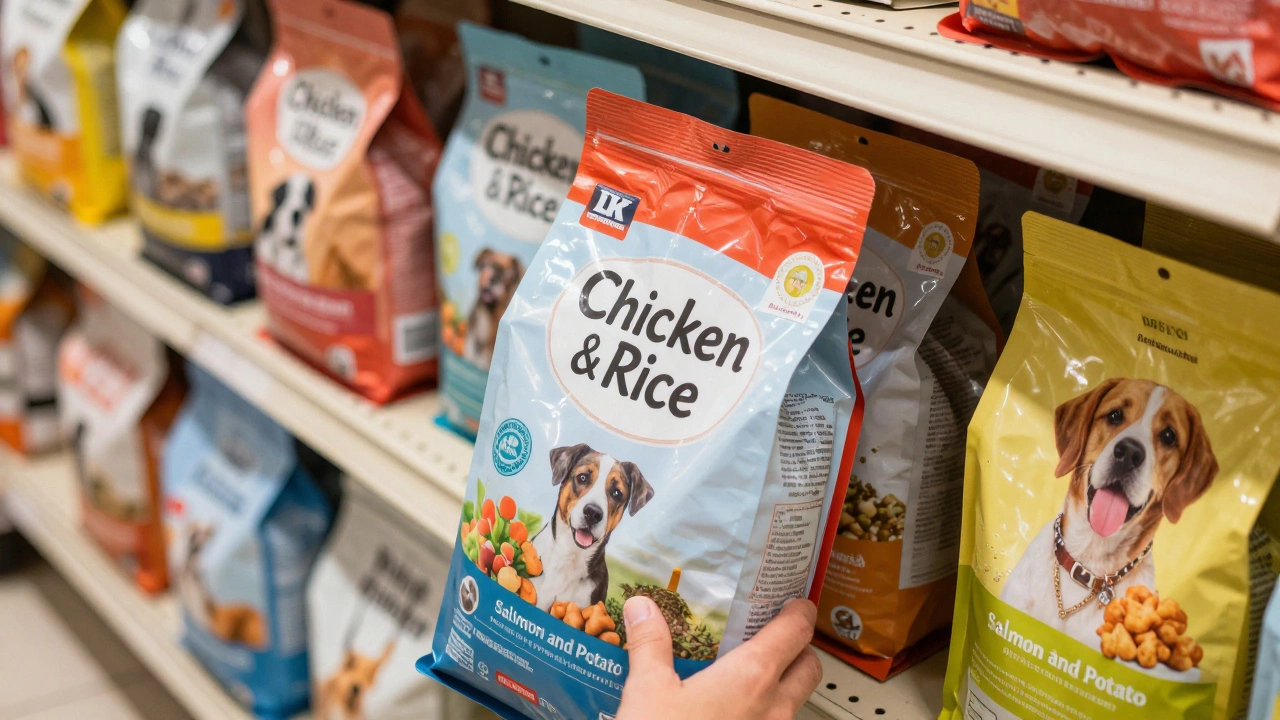
Walk into any pet store aisle in Bristol or anywhere else in the UK, and you are met with a wall of colorful bags. Chicken and rice. Salmon and potato. Grain-free. High-protein. The labels promise vitality, shine, and longevity. But if you pick up three different bags, you will notice something strange: they all claim to be the best, yet their ingredient lists look nothing alike. So, what is actually inside that bag, and more importantly, is it good for your dog?
The truth is, there is no single "magic bullet" food that works for every canine. A Border Collie burning off energy on the moors has different needs than a senior Bulldog lounging on a sofa. However, science gives us clear guidelines on what constitutes a high-quality diet. It comes down to balance, bioavailability, and avoiding harmful fillers.
Quick Summary: Key Takeaways
- Protein is king: Look for named meat sources (like chicken or lamb) as the first ingredient, not vague terms like "meat meal."
- Avoid grain-free unless necessary: Recent studies link certain grain-free diets to heart issues (DCM) in dogs without allergies.
- Wet vs. Dry: Wet food offers better hydration; dry food is convenient and supports dental health slightly better.
- Life stage matters: Puppies need higher calories and specific calcium/phosphorus ratios; seniors need joint support and lower calories.
- Consult your vet: Before switching diets, especially to raw or homemade, get professional advice to avoid nutritional deficiencies.
Decoding the Ingredient List: What Actually Matters
Most owners stop reading after the front of the bag. They see "Real Chicken" and assume that is enough. But marketing language is designed to mislead. To find the healthiest food, you need to understand how ingredients are listed by weight. Ingredients are listed in descending order by weight before processing. This means water content plays a huge role.
If a wet food lists "Chicken" first, it might still be mostly water. If a dry kibble lists "Chicken Meal" first, that is actually a good sign because the water has been removed, concentrating the protein. Here is what you should look for:
- Named Protein Sources: Look for "chicken," "beef," "salmon," or "lamb." Avoid generic terms like "meat by-products" or "animal digest," which can include low-quality parts like feathers and hooves.
- Whole Foods: Healthy fats from fish oil or flaxseed provide Omega-3s for skin and coat. Vegetables like spinach, carrots, and peas offer fiber and vitamins.
- Preservatives: Natural preservatives like mixed tocopherols (Vitamin E) are preferable to artificial ones like BHA, BHT, or ethoxyquin, which have raised safety concerns over time.
One common myth is that grains are bad. Unless your dog has a diagnosed gluten intolerance or wheat allergy (which is rare), grains like brown rice, oats, and barley are excellent sources of energy and fiber. In fact, the FDA has issued warnings about a potential link between grain-free diets and Dilated Cardiomyopathy (DCM), a serious heart condition. Stick to balanced diets that include safe carbohydrates unless your vet advises otherwise.
Dry Kibble vs. Wet Food: Which Is Better?
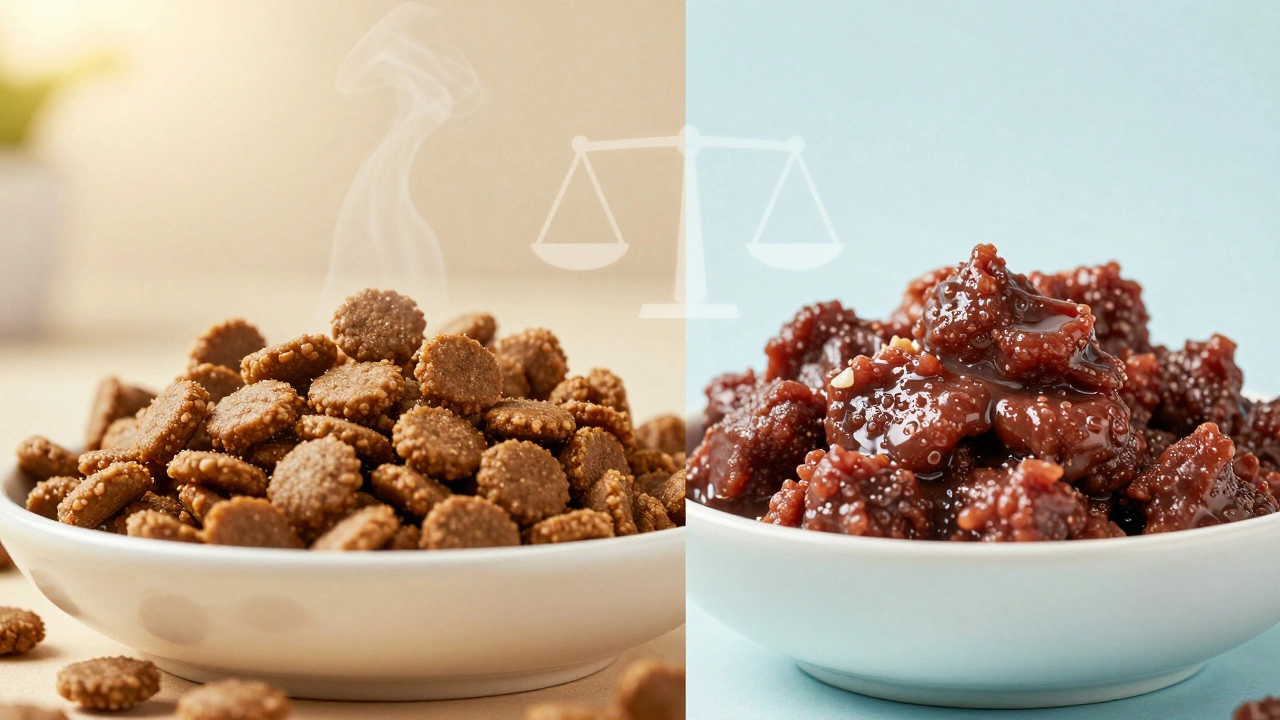
This is the oldest debate in dog nutrition. Neither is inherently "unhealthy," but they serve different purposes. Let’s break down the pros and cons based on real-world usage.
| Feature | Dry Kibble | Wet/Canned Food |
|---|---|---|
| Moisture Content | 10% - 12% | 70% - 80% |
| Convenience | High (leave out all day) | Low (must refrigerate after opening) |
| Palatability | Moderate | High (stronger smell and taste) |
| Dental Health | Slight abrasive benefit | No dental benefit |
| Cost | Generally cheaper per calorie | More expensive per calorie |
If your dog tends to drink little water, wet food is a game-changer. Hydration is critical for kidney function, especially in older dogs. On the other hand, dry kibble is easier to store and measure. Many owners find a middle ground: mixing 50% wet and 50% dry food. This boosts moisture intake while keeping costs manageable and providing some texture variety.
The Rise of Raw and Homemade Diets
In recent years, the BARF diet (Biologically Appropriate Raw Food) has gained popularity. Proponents argue that dogs are descendants of wolves and thrive on raw meat, bones, and organs. While it sounds natural, it carries significant risks.
Raw meat can harbor bacteria like Salmonella and E. coli, which pose risks not just to your dog but to your family members handling the food. There is also the risk of physical injury from sharp bones. If you choose this route, ensure you are using commercially prepared raw diets that are frozen at temperatures sufficient to kill pathogens, rather than sourcing meat yourself without proper knowledge.
Homemade meals are another option, but they are incredibly difficult to balance. Dogs need precise amounts of calcium, phosphorus, taurine, and zinc. Feeding only chicken breast and rice, for example, will lead to severe nutritional deficiencies over time. If you cook for your dog, use a recipe formulated by a veterinary nutritionist and supplement it accordingly. It is not worth the risk of guesswork.
Tailoring Nutrition to Life Stages
A puppy’s nutritional needs are vastly different from an adult’s or a senior’s. Feeding the wrong life-stage food can stunt growth or cause obesity.
Puppies
Puppies grow rapidly. Their food must be calorie-dense and rich in protein to support muscle development. Crucially, the calcium-to-phosphorus ratio must be exact. Too much calcium can cause skeletal deformities in large breeds like Great Danes. Look for foods labeled "Complete and Balanced for Growth" or "All Life Stages."
Adult Dogs
Adult dogs need maintenance nutrition. Focus on lean proteins and moderate fats. If your dog is less active, monitor portion sizes carefully. Obesity is the number one health issue in pets today, leading to diabetes, arthritis, and heart disease.
Senior Dogs
As dogs age, their metabolism slows. Senior formulas often have fewer calories but higher fiber to aid digestion. They also include added glucosamine and chondroitin to support joint health. Watch for signs of cognitive decline; some senior diets include antioxidants to support brain function.
Red Flags: Ingredients to Avoid
Not all fillers are created equal, but some ingredients offer little nutritional value and can cause digestive upset. Be wary of:
- Corn and Wheat Gluten: While not inherently toxic, these are cheap fillers that many dogs struggle to digest. They can trigger allergies in sensitive individuals.
- Artificial Colors: Red 40, Yellow 5, and Blue 2 add no nutritional value. They are used solely to make the kibble look appealing to humans, not dogs.
- Sugar: Some treats and even kibbles contain sugar to enhance flavor. This contributes to tooth decay and obesity.

How to Transition Foods Safely
Switching your dog’s diet abruptly can cause vomiting and diarrhea. Always transition slowly over 7 to 10 days. Start by mixing 25% new food with 75% old food. Gradually increase the proportion of new food every two days until the switch is complete. This allows your dog’s gut microbiome to adjust to the new ingredients.
Frequently Asked Questions
Is grain-free dog food healthier?
Not necessarily. Unless your dog has a specific grain allergy diagnosed by a vet, grain-free diets are not required. In fact, the FDA has investigated a link between grain-free diets and Dilated Cardiomyopathy (DCM). Grains like rice and oats provide essential carbohydrates and fiber.
Can I feed my dog human food?
Some human foods are safe, such as cooked chicken, carrots, and blueberries. However, avoid chocolate, grapes, onions, garlic, and xylitol, which are toxic. Human food should only make up a small percentage of their diet to maintain nutritional balance.
How do I know if my dog is allergic to its food?
Common signs include chronic itching, ear infections, gastrointestinal issues (vomiting/diarrhea), and poor coat condition. If you suspect an allergy, consult your vet for an elimination diet trial, where you feed a novel protein source (like duck or venison) for 8-12 weeks to see if symptoms resolve.
Is raw feeding safe for dogs?
Raw feeding carries risks of bacterial contamination (Salmonella, E. coli) and bone injuries. If you choose to feed raw, use commercially prepared, frozen options that meet safety standards, and practice strict hygiene in your kitchen.
How much should I feed my dog?
Feeding amounts depend on your dog's weight, age, activity level, and the caloric density of the food. Follow the guidelines on the packaging as a starting point, but adjust based on your dog's body condition score. You should be able to feel their ribs easily without seeing them prominently.