Dog Grooming Commitment Calculator
Select a breed to see estimated annual grooming costs, brushing frequency, and professional trim intervals. This tool helps you plan your budget and schedule.
Select a breed above to view grooming details.
You’re standing in a pet shop, staring at a fluffy Poodle puppy that looks like a cloud with eyes. You think, "How hard can it be to keep him clean?" Fast forward six months, and you’re holding a matted, confused dog while a groomer quotes you £80 for a full de-matting service. The truth is, some dogs don’t just need a quick brush; they need a routine, a budget, and sometimes, a second job.
If you are wondering what dog needs to be groomed the most, the answer isn't just about hair length. It’s about coat type, growth rate, and skin health. In Bristol, where we get plenty of rain and mud, this matters even more. A wet coat in autumn turns into a mud-caked nightmare if you don’t stay on top of it. Let’s break down which breeds actually demand the most attention, why they do it, and how you can manage it without losing your mind.
The High-Maintenance Hall of Fame
Not all long-haired dogs are created equal. Some shed once a year. Others grow continuously, meaning their hair never stops getting longer unless you cut it. This continuous growth is the primary driver of high grooming needs. If you ignore it, the hair tangles against the skin, pulling painfully every time your dog moves.
Here are the breeds that consistently top the list for grooming intensity:
- Afghan Hound is a sighthound known for its long, silky coat that requires daily combing to prevent severe matting. Their fine hair tangles instantly if left unattended, even for two days.
- Persian Cat (yes, cats count in grooming discussions) has a dense undercoat that mats rapidly, requiring daily brushing and frequent baths. But among dogs, the Poodle takes the crown for versatility and maintenance.
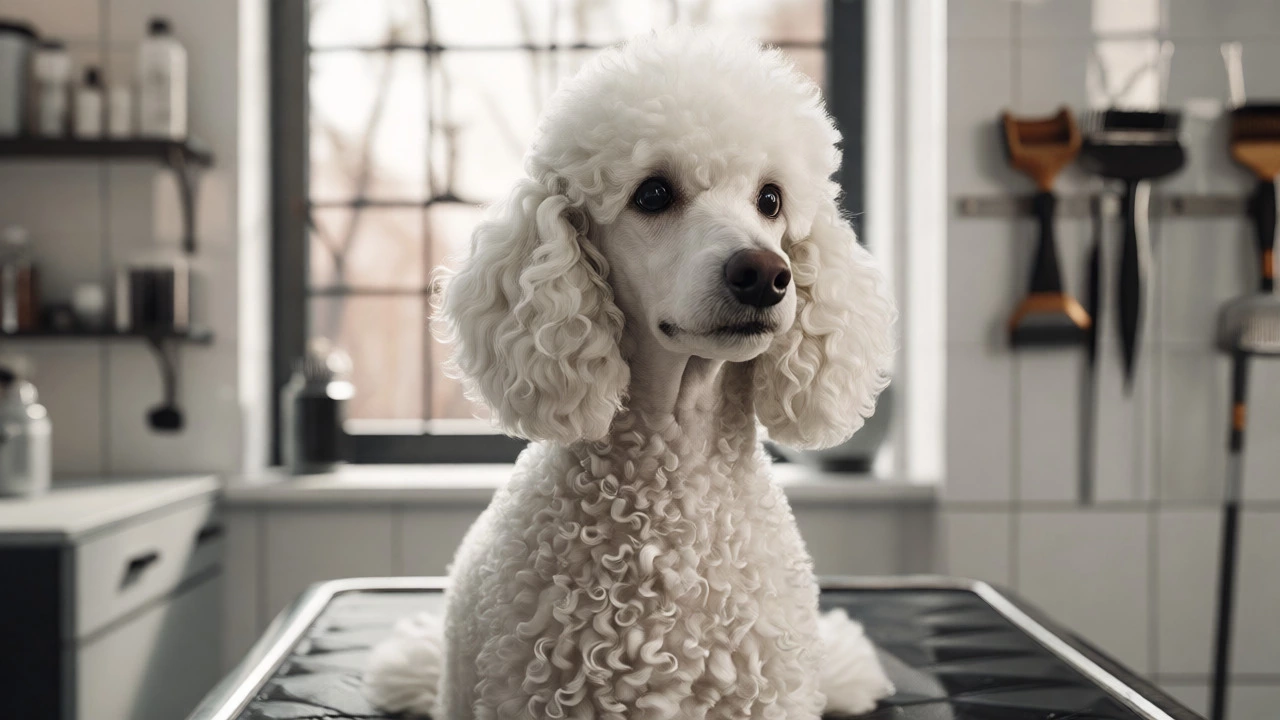
- Poodle (Standard, Miniature, and Toy) has a curly, non-shedding coat that grows continuously and requires clipping every 4-6 weeks. Without regular cuts, their curls turn into felt-like mats.
- Maltese is a small breed with a single-layer white coat that lacks an undercoat but tangles severely due to friction from collars and harnesses.
- Shih Tzu features a double coat with a soft undercoat and longer outer guard hairs, prone to heavy matting around the ears and legs.
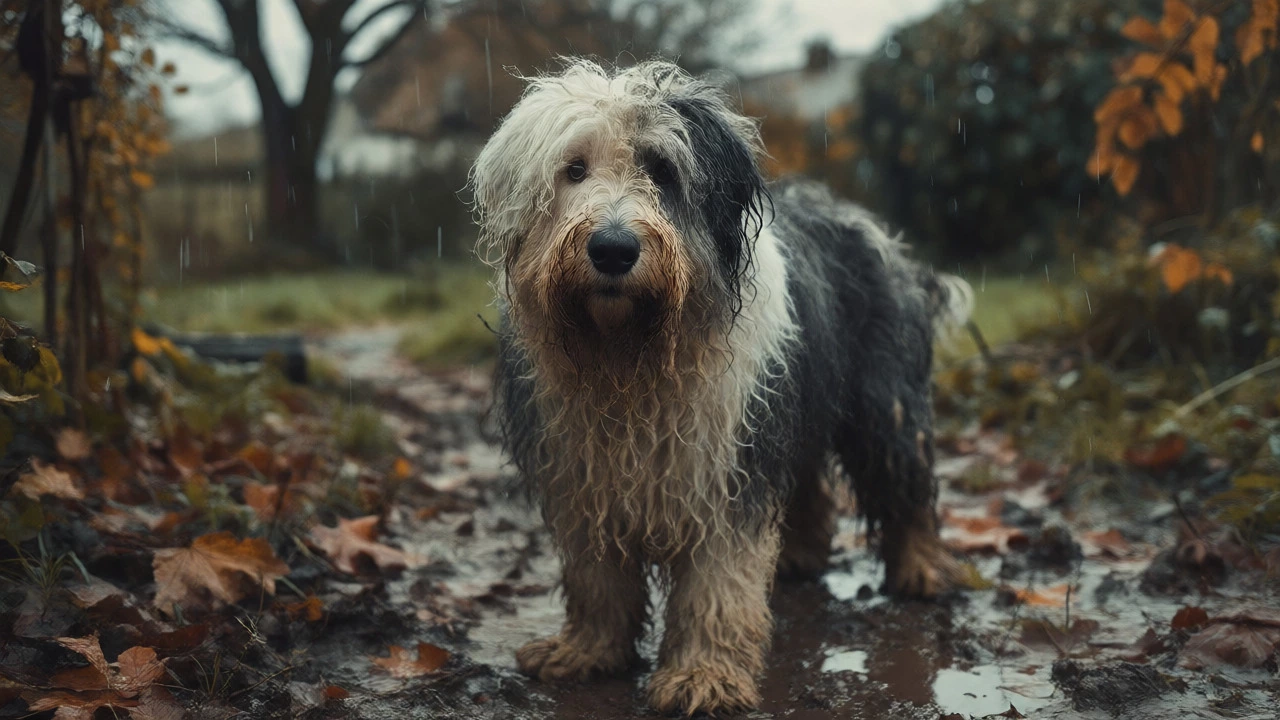
- Old English Sheepdog is a large breed with a profuse, shaggy double coat that traps debris and requires extensive drying after walks.
| Breed | Coat Type | Daily Brushing? | Professional Trim Interval | Estimated Annual Cost (UK) |
|---|---|---|---|---|
| Poodle | Curly, Continuous Growth | Yes (Slicker + Comb) | Every 4-6 Weeks | £300 - £500 |
| Afghan Hound | Silky, Long | Yes (Daily Combing) | Every 8-12 Weeks | £400 - £700 |
| Maltese | Silky, Single Layer | Yes (Gentle Bristle) | Every 6-8 Weeks | £250 - £400 |
| Old English Sheepdog | Double, Shaggy | Yes (Line Brushing) | Every 8-10 Weeks | £350 - £600 |
| Havanese | Soft, Wavy | Yes (Daily) | Every 6-8 Weeks | £200 - £350 |
Why Do These Coats Mat So Quickly?
It’s not just bad luck. It’s biology. Dogs like the Cocker Spaniel have feathering on their ears, chest, and legs that rubs against the ground and other surfaces. Every time your Cocker runs through brambles or rolls on the carpet, those long hairs twist together. Once a knot forms, it tightens as the dog moves. Within weeks, that small tangle becomes a solid mat pressing against the skin, cutting off air circulation and causing hot spots.
Then there’s the issue of oil. Breeds with dense undercoats, like the Newfoundland, produce natural oils that waterproof their fur. If you don’t brush them out, that oil builds up, trapping dirt and dead hair. This creates a perfect environment for bacteria and yeast. You’ll know it’s happening when your dog starts smelling like damp wool, no matter how many times you bathe them.
The Hidden Costs of Neglect
Many owners skip grooming to save money. They think, "I’ll just wash him." But washing a matted dog doesn’t work. Water acts like glue on existing tangles. When you try to brush a wet, matted coat, you often end up breaking the hair rather than detangling it. Worse, you might pull the skin, causing bruising.
In my experience working with local vets in Bristol, I see a direct link between irregular grooming and skin infections. A Golden Retriever might seem low-maintenance compared to a Poodle, but if their feathering gets knotted behind the ears, they can develop painful dermatitis. Treating that infection costs more than the missed grooming sessions ever would.
Consider the tools you need. You can’t use one brush for everything. A slicker brush works for removing loose hair from curly coats. A greyhound comb is essential for checking if the skin is clear after brushing. For double-coated breeds like the Husky, you need an undercoat rake to reach the bottom layer. Buying these tools upfront costs around £50-£80, but it saves you from emergency vet visits later.
Can You Groom Them Yourself?
For some breeds, yes. For others, absolutely not. Take the Bichon Frise. Their powder-puff look requires precise scissoring to maintain shape. If you try to clip them yourself with clippers, you’ll likely end up with a patchy, uneven coat that takes months to grow back correctly. However, keeping a Bichon brushed daily prevents the mats that make professional grooming expensive.
Here’s a simple rule of thumb: If the coat is designed to be shown in a specific style (like a Poodle’s continental clip), leave the cutting to the pros. Your job is maintenance. Daily brushing keeps the coat healthy enough for the groomer to do their job efficiently. If you show up with a heavily matted dog, the groomer may charge extra for de-matting, or refuse to groom until the mats are removed by a vet.
Seasonal Challenges in the UK
Grooming needs change with the seasons. In spring, double-coated breeds like the German Shepherd blow their undercoat. You’ll find tufts of fur everywhere-on your sofa, in your tea, on your black clothes. During this shedding season, daily brushing is non-negotiable. Use a deshedding tool to remove the loose undercoat before it clogs your vacuum.
In winter, the problem shifts to moisture. Snow and salt sticks to paw pads and belly fur. Ice balls form between the toes, causing pain and cracking the skin. Keep the hair between the paw pads trimmed short year-round. This prevents ice buildup and makes cleaning paws after a walk much faster. For long-haired breeds, consider a sanitary trim around the rear end to prevent fecal matter from sticking to the fur, which is a common source of irritation in muddy British winters.
How to Spot a Problem Before It Starts
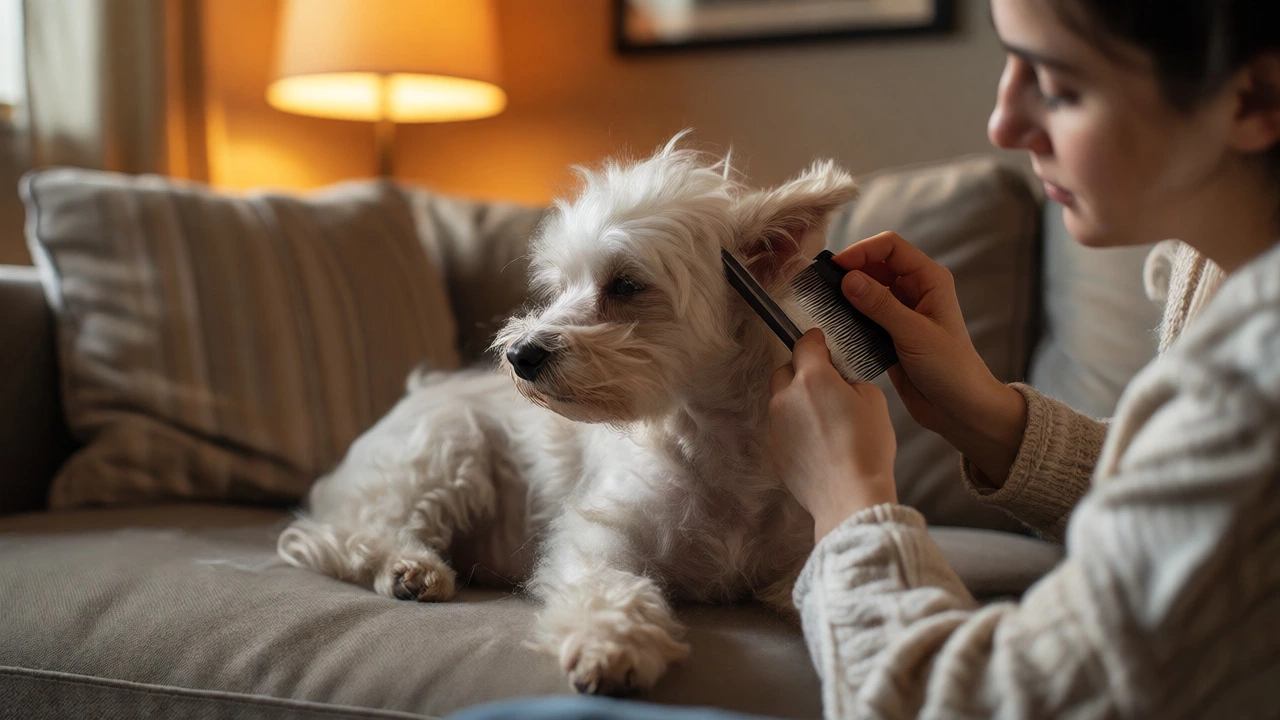
You don’t need to wait for a mat to become visible. Run your hands over your dog’s body weekly. Feel for lumps under the fur. A small pea-sized knot behind the ear is easy to tease apart with cornstarch and fingers. A walnut-sized mat is a vet visit waiting to happen.
Pay special attention to these high-friction zones:
- Behind the ears
- Under the armpits
- The inner thighs
- Where the collar sits
- Between the toe pads
Alternatives to High-Grooming Breeds
If you love the idea of a hypoallergenic dog but hate the grooming schedule, consider breeds with similar traits but lower maintenance. The Basenji is a cat-like dog that grooms itself and has a short, smooth coat requiring minimal brushing. They are quiet, clean, and don’t smell like 'dog'.
Another option is the Whippet. They have a sleek, short coat that only needs a wipe-down with a damp cloth. While they aren’t hypoallergenic, they shed very little compared to a Labrador. If you want a fluffy companion without the daily brush, the Labradoodle can vary wildly. Some have wiry coats that need less upkeep than a purebred Poodle, but always ask the breeder about the parents’ coat types.
Final Thoughts on Maintenance
Owning a high-grooming dog is a commitment, not just a purchase. It’s about accepting that your home will have slightly more hair, and your calendar will have regular slots for the groomer. But for many owners, the bond built during grooming sessions-the trust, the touch, the quiet time-is worth the effort. Just make sure you choose a breed that fits your lifestyle, not just your aesthetic preferences.
Do all long-haired dogs need professional grooming?
No. Breeds like the Golden Retriever or Border Collie have coats that can be maintained entirely at home with regular brushing and occasional bathing. However, breeds with continuously growing hair, such as Poodles, Maltese, and Yorkies, typically require professional trimming every 4-8 weeks to maintain coat health and appearance.
How often should I bathe a high-maintenance dog?
Bathing frequency depends on activity level and coat type. Generally, every 4-6 weeks is sufficient for most indoor dogs. Over-bathing can strip natural oils, leading to dry skin and increased itching. Always use a dog-specific shampoo and ensure the coat is thoroughly dried to prevent fungal infections, especially in thick double coats.
What happens if I don't groom my Poodle regularly?
Poodle hair continues to grow indefinitely. Without regular brushing and clipping, the curls intertwine and form tight mats against the skin. These mats can restrict movement, cause pain, trap moisture and bacteria leading to skin infections, and ultimately require shaving the dog down to the skin, which can take months to grow back evenly.
Are there any low-maintenance hypoallergenic dogs?
True hypoallergenic dogs usually have hair rather than fur, which means they shed less allergens. However, most also require regular grooming. The Basenji is a low-allergen breed with a short coat that needs minimal grooming, though they are not strictly classified as hypoallergenic. The Portuguese Water Dog is another option, though they still need regular clipping.
How much does professional grooming cost in the UK?
Costs vary by location, breed size, and coat condition. In cities like Bristol or London, expect to pay £40-£60 for a small dog (e.g., Maltese) and £60-£90+ for larger breeds (e.g., Standard Poodle). Additional charges apply for de-matting, nail trims, or ear cleaning if not included in the base package.