Cat Food Mixing Calculator
Input Parameters
Daily Feeding Plan
Enter your cat's details to see recommended portions.
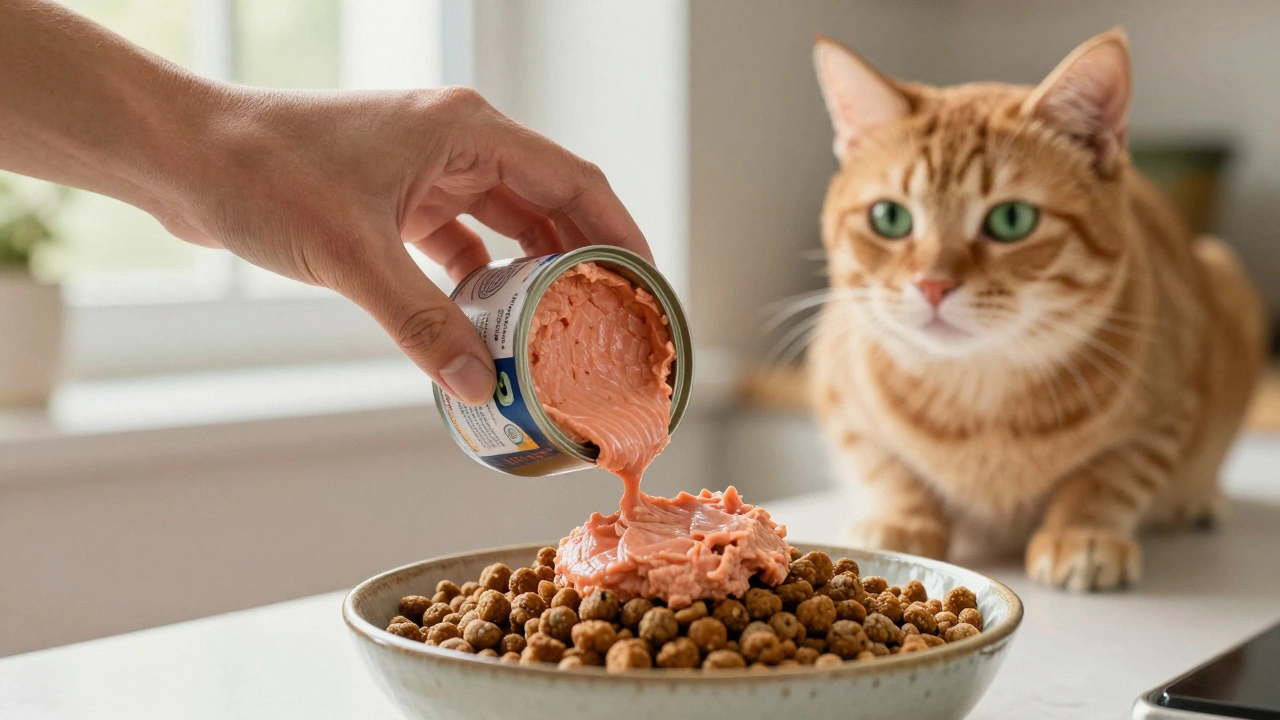
You walk into the kitchen, open a tin of salmon pâté, and pour it right on top of the kibble in your cat’s bowl. It looks like a gourmet meal, doesn’t it? But as you watch your cat sniff it, hesitate, and then eat only the wet part, leaving the dry bits for later, you might wonder: is this actually good for them? The short answer is yes, you can mix wet and dry cat food, but doing it correctly matters more than just dumping two textures together.
Many owners mix foods to get the best of both worlds: the moisture from the wet food and the convenience (and dental benefits) of the dry food. However, there are specific ways to do this that prevent digestive upset, ensure proper nutrient balance, and keep your cat happy. If you’ve ever worried about whether your cat is getting enough water or if their teeth are staying healthy, understanding how these two food types interact is key.
Before we dive into the 'how,' let’s look at why most people start mixing in the first place. Cats are obligate carnivores with a low thirst drive. In the wild, they get almost all their hydration from prey. Domestic cats often don’t drink enough plain water. Wet food solves this by providing 70-80% moisture. Dry food, on the other hand, offers crunchiness that can help scrape plaque off teeth and is easier to leave out for grazing. Combining them seems logical, but biology has some rules we need to follow.
The Hydration Factor: Why Moisture Matters
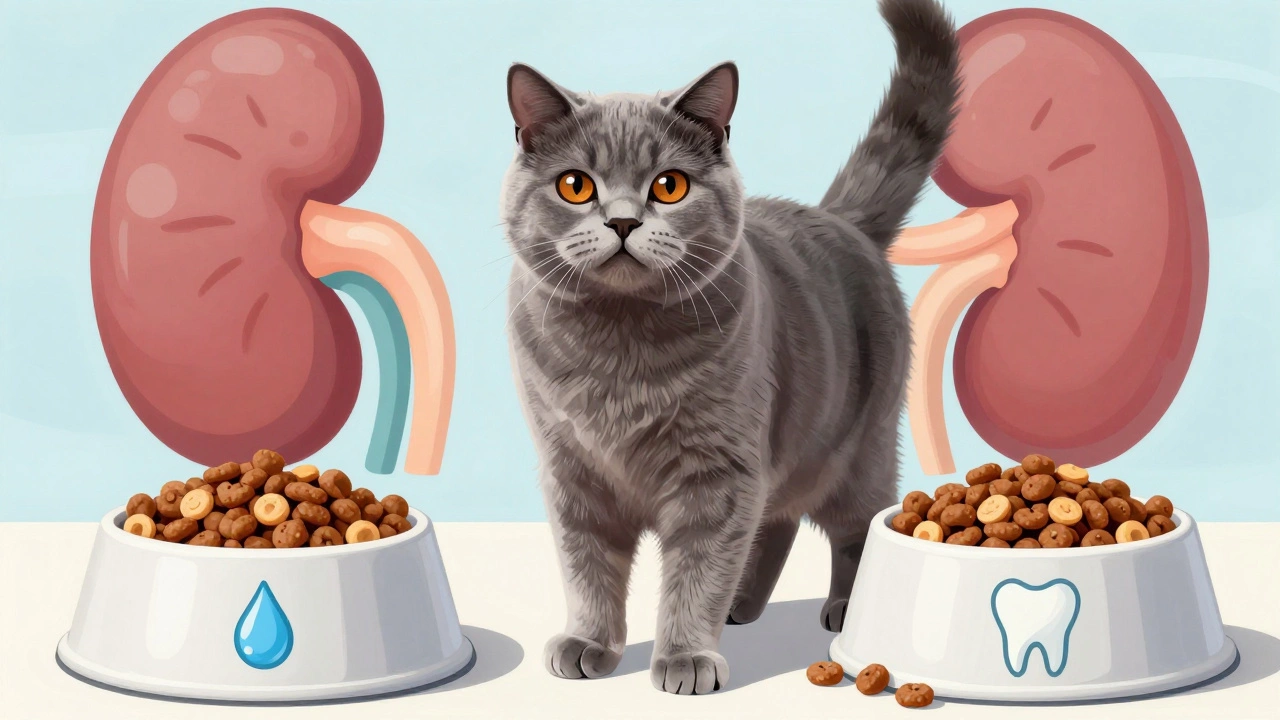
Let’s talk about water. Or rather, the lack of it. Chronic dehydration is a silent killer for cats, leading to urinary tract issues and kidney disease. When you feed only dry kibble, your cat must actively seek out water bowls. Many cats simply ignore them. By adding wet food, you’re boosting their daily fluid intake significantly.
If you mix wet and dry food in the same bowl, you aren’t just changing texture; you’re changing the water content of that specific meal. A standard cup of dry kibble has about 10% moisture. A can of wet food has nearly 80%. When you combine them, you create a meal that is closer to what a cat’s body expects naturally. This is especially crucial for older cats or those prone to bladder stones. Think of it as insurance for their kidneys. Every sip of moisture-rich food counts.
However, be careful not to assume that because you added wet food, your cat no longer needs fresh water available. Always keep a clean water bowl nearby. Some cats will lap up water after eating wet food, while others won’t touch it. Don’t rely solely on the food mixture for total hydration needs throughout the day.
Dental Health: The Crunch vs. The Slurry
Here is where things get tricky. You’ve probably heard that dry food cleans teeth. It’s partially true. The mechanical action of chewing hard kibble can reduce plaque buildup compared to soft diets alone. But it’s not a substitute for brushing. If you mix wet and dry food thoroughly until it becomes a soggy mash, you lose that mechanical benefit. The kibble softens too quickly, turning into mush before it can scrub the teeth.
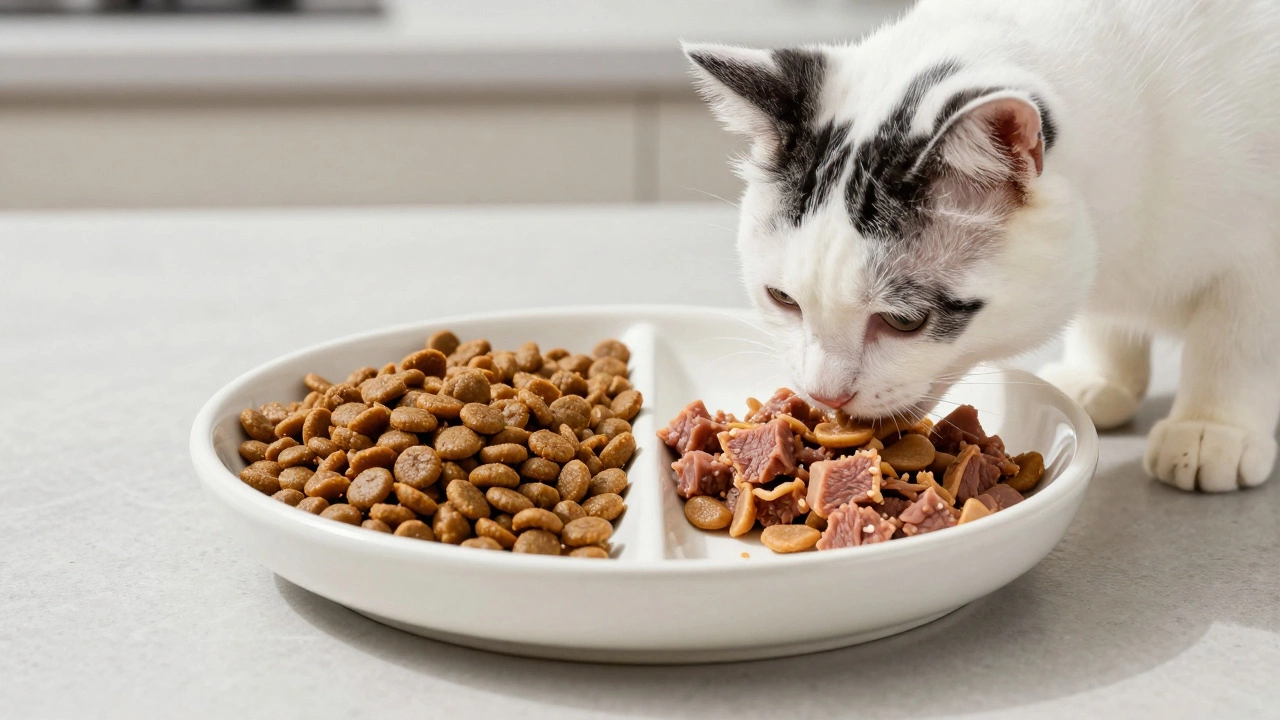
To maintain dental health while mixing, consider serving them separately within the same mealtime. Put the dry kibble in one section of the bowl and the wet food in another. This allows your cat to chew the crunchy bits properly. Alternatively, serve the dry food as a free-feed option (if your cat maintains weight) and use the wet food as a measured meal. This way, the dry food retains its structural integrity long enough to provide some dental abrasion.
If your cat has sensitive gums or missing teeth, the dental argument fades. In that case, the ease of eating wet food outweighs the minor plaque-scraping benefit of kibble. Prioritize comfort and nutrition over tooth cleaning in those cases.
Nutritional Balance: Are You Doubling Up?
This is the biggest mistake owners make. They treat wet and dry food as interchangeable supplements rather than complete meals. Both wet and dry commercial cat foods are labeled "complete and balanced." This means each type already contains the right ratio of protein, fat, vitamins, and minerals for your cat’s life stage.
If you feed half a can of wet food and half a cup of dry food without adjusting portions, you might be overfeeding calories. Or worse, you could be creating nutritional imbalances if the brands have different formulations. For example, one brand might be high in calcium, while another is high in phosphorus. Mixing them randomly can skew these ratios over time.
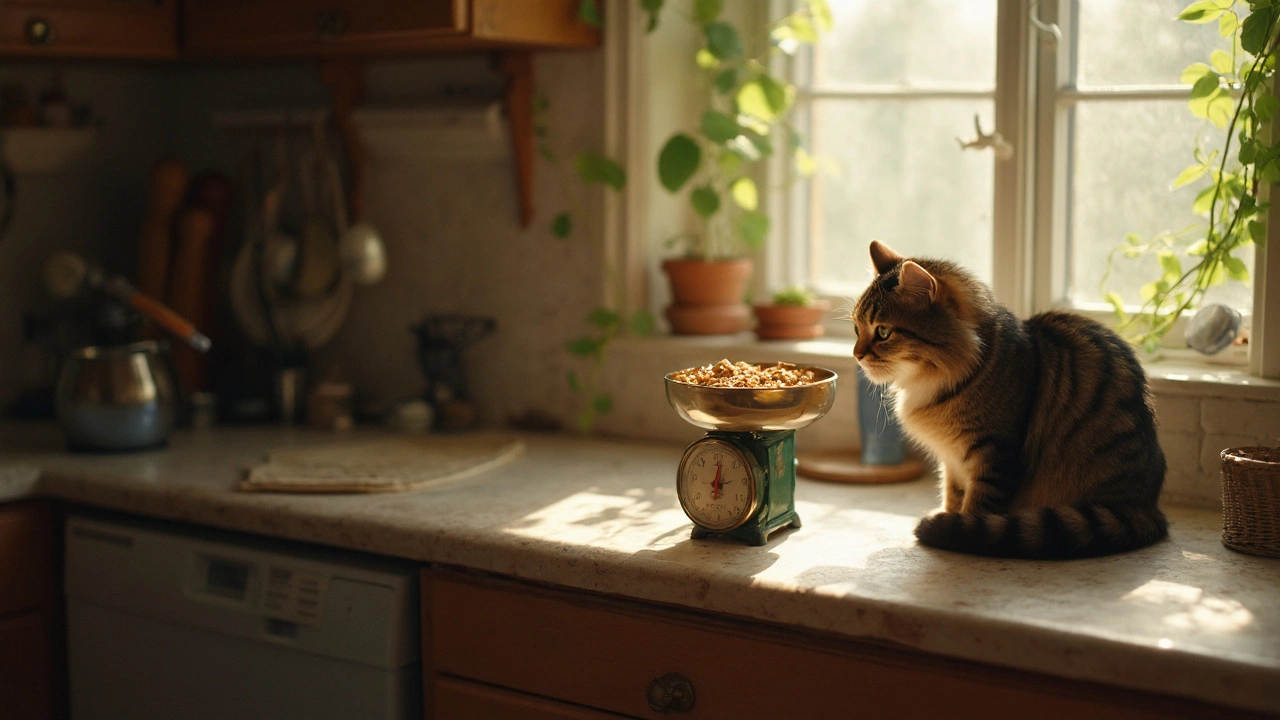
To do this safely, calculate your cat’s total daily caloric needs based on their weight and activity level. Then, decide what percentage of those calories should come from wet food versus dry food. A common split is 50/50 or 70/30 (wet/dry). Use a kitchen scale to measure both portions accurately. Do not guess. Consistency is key to maintaining a stable weight and preventing obesity, which is a major health risk for indoor cats.
| Method | Pros | Cons |
|---|---|---|
| Mixed in Bowl | Easy cleanup, combined flavors | Kibble gets soggy, loses dental benefit |
| Served Separate | Retains crunch, clear portion control | Cat may pick favorites, leave waste |
| Topper Only | Enhances palatability of dry food | Minimal hydration boost |
Pickiness and Behavioral Issues
Have you ever mixed the food, watched your cat eat the wet part, and then find the dry kibble untouched hours later? This is called "cherry-picking," and it’s frustrating. Cats are creatures of habit and texture preference. When you mix foods, you give them the choice to eat the tastiest, easiest part first.
If this happens, try separating the foods physically. Use a divided plate. If your cat still ignores the dry food, it might be a sign that the kibble flavor isn’t appealing enough, or the texture is wrong for their age. Older cats often prefer softer foods due to dental wear. Younger cats might enjoy the hunt-like experience of picking through kibble.
Another behavioral tip: don’t leave mixed food out all day. Wet food spoils quickly, especially when mixed with dry food that absorbs moisture. Bacteria grow rapidly in that warm, moist environment. If you mix them, serve the meal, and remove any uneaten portions after 20-30 minutes. This prevents spoilage and teaches your cat that mealtime is now or never.
For those who travel frequently or work long hours, the convenience of dry food is unmatched. But remember, consistency helps reduce anxiety in cats. Sudden changes in diet can cause diarrhea. If you want to introduce wet food to a dry-food-only cat, do it gradually over 7-10 days. Start with 10% wet food, increasing slowly until you reach your desired ratio.
Storage and Freshness Concerns
When you mix wet and dry food, you change the shelf life of the meal. Dry kibble is designed to stay fresh in a sealed bag. Once you add wet food, the moisture migrates into the kibble. Within an hour, the kibble starts to soften. Within four hours, it can become a breeding ground for bacteria if left at room temperature.
Never mix large batches of food and store them for later. Mix only what your cat will eat in one sitting. If you’re preparing multiple meals for the day, store the wet and dry components separately in the fridge or pantry, then combine them right before serving. This keeps the dry food crisp and the wet food safe.
Also, check expiration dates on both products. Sometimes, we buy bulk dry food that lasts months, but wet food cans expire sooner. Ensure neither component is old. Old fats in dry food can oxidize, leading to tummy upset. Freshness is non-negotiable for sensitive stomachs.
While we focus on pet care, it’s worth noting that managing household routines extends beyond pets. For instance, when planning travel or busy schedules, resources like this directory can help organize personal logistics, ensuring you have the time to dedicate to your pet’s feeding routine without stress.
Special Diets and Medical Conditions
If your cat has a medical condition, such as kidney disease, diabetes, or food allergies, mixing foods requires extra caution. Prescription diets are formulated precisely to manage these conditions. Mixing a prescription wet food with a regular dry food can dilute the therapeutic effect.
For diabetic cats, carbohydrate control is vital. Dry food typically has higher carbs than wet food. Mixing them might spike blood sugar levels unpredictably. Always consult your vet before combining prescription diets with other foods. They may recommend a specific ratio or advise against mixing altogether.
Allergies are another concern. If your cat is allergic to chicken, ensure both the wet and dry foods are chicken-free. Cross-contamination in manufacturing is rare but possible. Stick to single-protein sources if your cat is highly sensitive. Reading labels carefully is essential. Don’t assume "grain-free" means "allergy-safe."
Practical Tips for Successful Mixing
Ready to try it? Here’s how to do it right:
- Start Small: Add a spoonful of wet food to the dry kibble. See how your cat reacts.
- Monitor Weight: Weigh your cat weekly when changing diets. Adjust portions if they gain or lose weight.
- Keep Water Available: Even with wet food, fresh water should always be accessible.
- Rotate Flavors: Use different protein sources in wet and dry food to provide variety and prevent boredom.
- Clean Bowls Daily: Mixed food leaves residue. Wash bowls with hot soapy water every day to prevent bacterial growth.
Remember, every cat is unique. What works for your neighbor’s tabby might not work for your Persian. Pay attention to their stool quality, energy levels, and coat shine. These are indicators of good nutrition. If you notice vomiting, diarrhea, or lethargy, stop the new diet and consult your vet.
Is it better to feed wet or dry food exclusively?
Wet food is generally better for hydration and mimics a natural diet, reducing the risk of urinary and kidney issues. Dry food is convenient and can aid dental health slightly. Most vets recommend a majority-wet diet, but mixing is acceptable if done correctly.
How long can mixed wet and dry food sit out?
No more than 20-30 minutes. The moisture from the wet food makes the dry food soggy and creates an ideal environment for bacteria. Remove uneaten food promptly.
Will mixing foods cause digestive upset?
It can if introduced too quickly. Transition gradually over 7-10 days. Also, ensure both foods are compatible in terms of ingredients to avoid sudden changes in fiber or protein sources.
Can I mix homemade wet food with commercial dry food?
Only if the homemade recipe is formulated by a veterinary nutritionist. Homemade diets often lack essential nutrients like taurine and arachidonic acid. Mixing incomplete homemade food with complete dry food can lead to deficiencies.
Does mixing food help with picky eaters?
Yes, adding a small amount of strong-smelling wet food to bland dry kibble can entice picky eaters. However, be cautious not to reinforce bad habits by always offering the "treat" component.