Cat Wet Food Calorie Calculator
Enter your cat's details and click calculate to see if their diet is balanced.
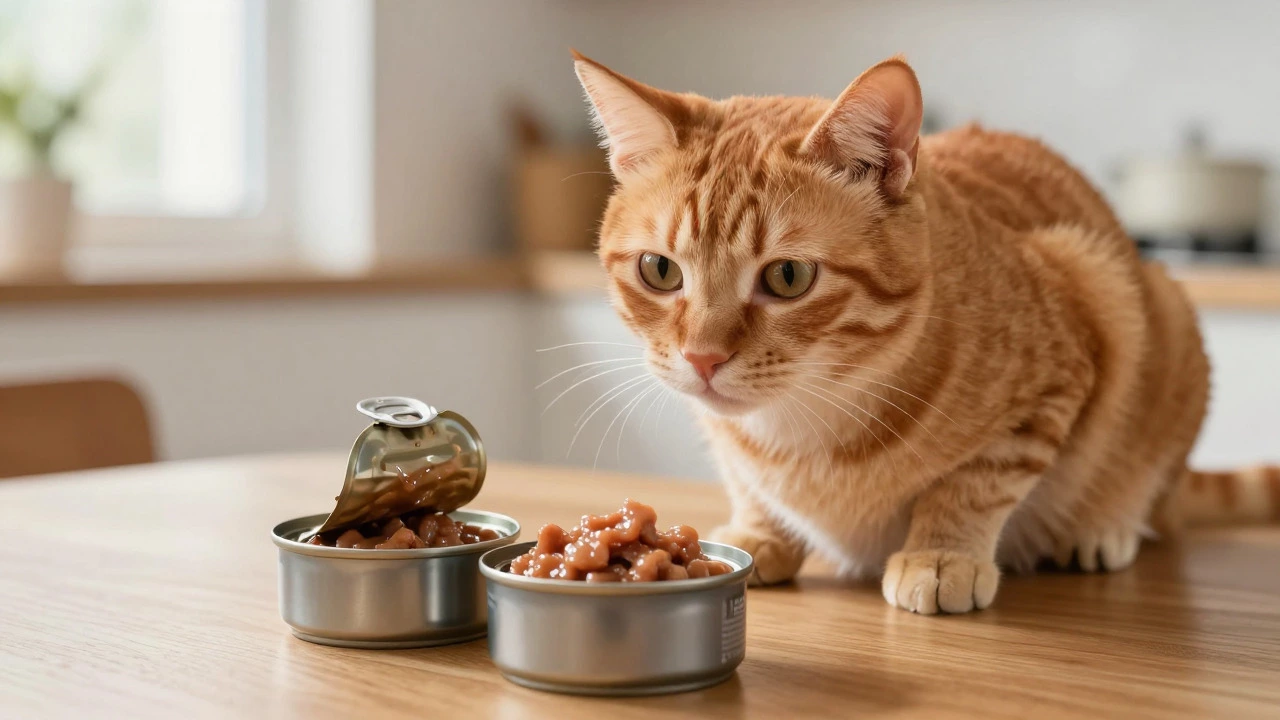
Most cats weigh between 8 and 10 pounds. If you feed your average-sized adult cat two standard 3-ounce cans of wet cat food is a moisture-rich diet option that provides hydration and protein per day, are they getting enough to stay healthy? The short answer is: it depends entirely on the brand, the cat's weight, and their activity level. For many indoor cats, two small cans might actually be too little, leading to slow weight loss or muscle wasting. For others, it’s just right. Getting this wrong can lead to obesity or malnutrition, so let’s break down the math behind feline feeding.
Understanding Caloric Needs: The Math Behind the Bowl
To determine if two cans are enough, you first need to know how many calories your cat requires. This isn't about volume; it’s about energy density. An average adult indoor cat typically needs between 200 and 250 calories per day. Active outdoor cats may need up to 350 calories. Senior cats or those with low activity levels might only need 180 calories.
Now, look at the label on your specific brand of wet food. Most commercial wet foods range from 70 to 90 calories per 3-ounce can. Here is a simple comparison to visualize the difference:
| Feeding Scenario | Average Calories Per Can | Daily Total Calories | Suitability |
|---|---|---|---|
| Two 3-oz cans (Low-cal) | 70 | 140 | Too low for most adults |
| Two 3-oz cans (Standard) | 85 | 170 | Borderline for sedentary cats |
| Three 3-oz cans (Standard) | 85 | 255 | Ideal for average indoor cats |
| One 6-oz can + One 3-oz can | 85 (avg) | 255 | Ideal for average indoor cats |
If your cat eats two 3-ounce cans of a standard formula providing 85 calories each, they are consuming 170 calories total. For an average 10-pound cat needing 220 calories, this creates a deficit of 50 calories a day. Over time, this leads to weight loss. Therefore, two small cans are rarely enough for a healthy, active adult unless the food is extremely high in calories or the cat is very small (under 6 pounds).
Factors That Change the Equation
Your cat’s individual biology plays a massive role in whether two cans suffice. You cannot use a one-size-fits-all rule. Consider these variables when adjusting portions:
- Body Condition Score (BCS): Use a 9-point scale. A score of 4 or 5 is ideal. If your cat is a 6 or higher, they are overweight, and two cans might be a good target for weight management. If they are a 3 or lower, they are underweight and need more than two cans.
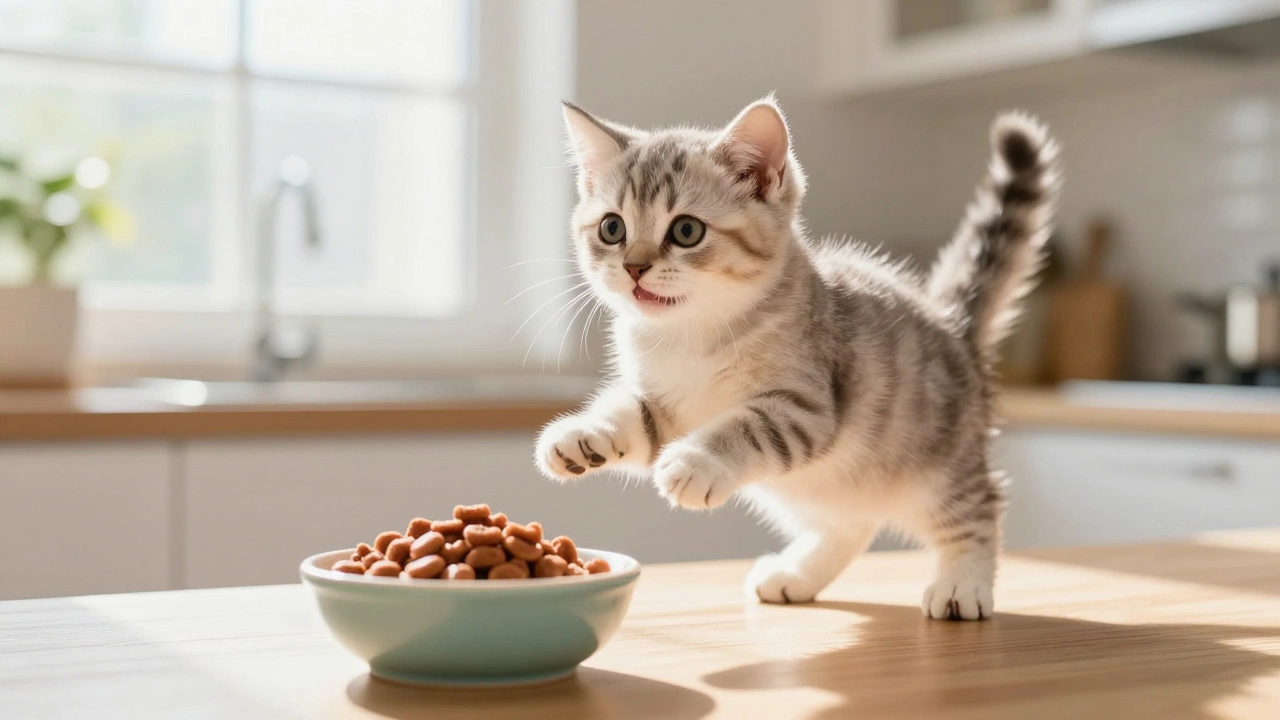
- Age: Kittens require significantly more calories per pound of body weight than adults. A growing kitten often needs three to four meals a day, not just two fixed portions. Senior cats (over 10 years) have slower metabolisms and may require fewer calories but higher quality protein.
- Activity Level: An indoor cat who sleeps 16 hours a day burns far less energy than a cat that hunts birds or runs around the yard. If your cat is mostly sedentary, two cans of a calorie-dense food might be sufficient. If they are playful and active, they will likely need three cans or a larger portion size.
- Health Conditions: Cats with hyperthyroidism burn calories rapidly and often eat voraciously. Two cans will never be enough for them without veterinary intervention. Conversely, cats with diabetes or kidney disease may require specialized diets with specific caloric limits prescribed by a vet.

The Hydration Advantage of Wet Food
While calculating calories is crucial, don’t forget why you chose wet food in the first place: hydration. Cat dehydration is a common issue in domestic cats due to their ancestral desert origins. Dry kibble contains only about 10% water, whereas wet food contains 70% to 80% water. Feeding two cans of wet food provides roughly 4 to 5 ounces of water directly from the meal. This helps prevent urinary tract issues like crystals and stones, which are prevalent in cats fed exclusively dry food. Even if two cans seem low in calories, the fluid content is a significant health benefit that dry food cannot match without extra water supplementation.
How to Adjust Portions Safely
If you suspect two cans aren't enough, don't just double the amount immediately. Sudden changes can upset a cat’s stomach. Follow these steps to adjust their diet safely:
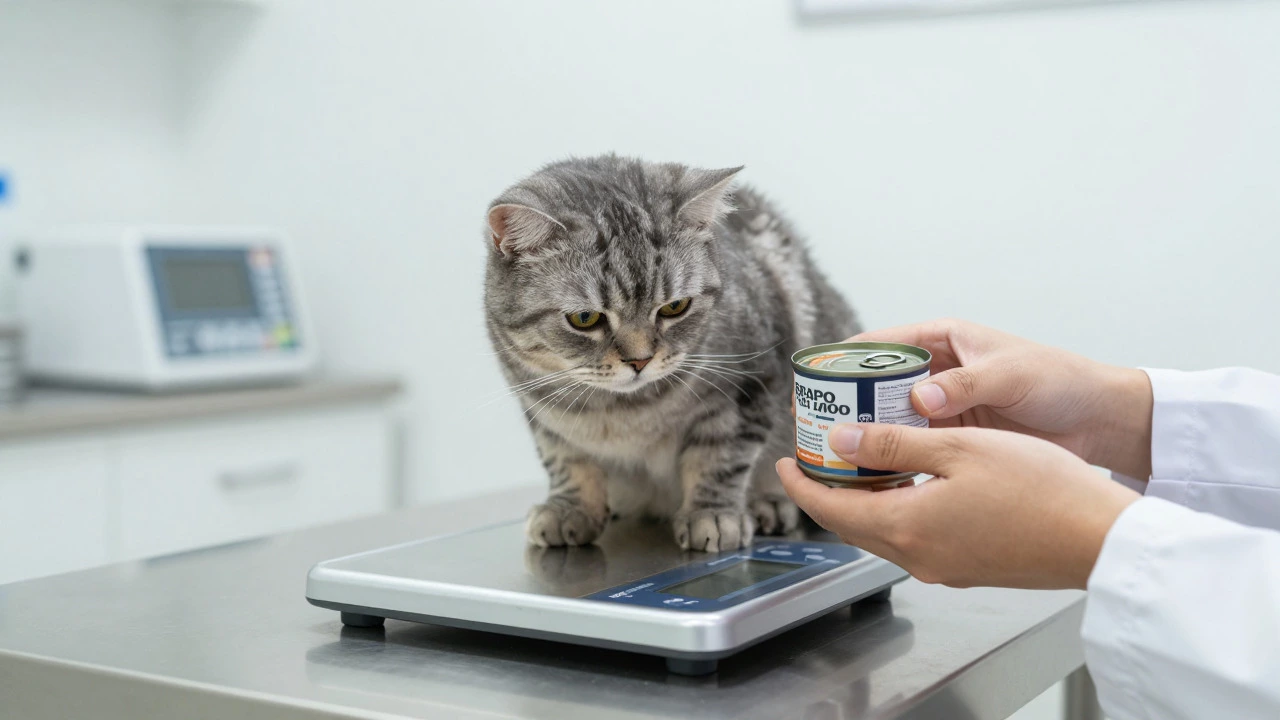
- Weigh your cat: Get an accurate weight in pounds or kilograms. Weigh yourself holding the cat, then subtract your own weight.
- Check the label: Find the "feeding guidelines" section on the back of the can. It usually lists recommended amounts based on weight. For example, a 10-pound cat might be listed as needing 3 to 4 cans of 3-ounce size per day.
- Monitor body condition: Feel along your cat’s ribs. You should be able to feel them easily without pressing hard. If you can see the ribs clearly, they are underweight. If you can't feel them at all, they are overweight.
- Adjust gradually: Add half a can to their daily intake every three days. Watch for weight changes over two weeks. If they gain too much fat, reduce slightly. If they lose muscle mass, increase again.
Many owners find that switching from two small cans to one large 6-ounce can and one small 3-ounce can makes measuring easier and ensures the cat gets enough nutrients in one sitting, reducing the stress of multiple feeding times.
Common Mistakes Owners Make
Even well-meaning pet parents make errors that affect their cat’s health. Avoid these pitfalls:
- Ignoring the "Free Feed" Label: Some premium brands suggest free-feeding (leaving food out all day). If you do this, track exactly how much is eaten over 24 hours. Do not assume they ate everything. Cats often graze and leave leftovers, which spoil and lose nutritional value.
- Mixing Brands Without Checking Calories: If you rotate between two different brands, check if their caloric densities are similar. Brand A might have 75 calories per can, while Brand B has 95. Swapping them randomly can throw off your daily totals.
- Forgetting Treats: If you give your cat treats, account for those calories. Ten pieces of crunchy treat might equal half a can of wet food. If you’re already giving two cans plus treats, your cat is likely overeating.
- Assuming All Cats Are the Same: A 6-pound Siamese and a 14-pound Maine Coon both eating two cans will have vastly different outcomes. Always base portions on *your* cat’s specific weight, not the average.
When to Consult a Veterinarian
Usually, you can manage portions at home. However, certain signs indicate you need professional help. Contact your vet if:
- Your cat loses more than 10% of its body weight in a month despite eating normally.
- Your cat refuses to eat for more than 24 hours (cats can develop liver failure quickly if they stop eating).
- Your cat has visible muscle wasting even though their ribcage looks normal.
- You are managing a diagnosed condition like diabetes, kidney disease, or hyperthyroidism.
Your veterinarian can perform blood work to check organ function and provide a precise caloric requirement tailored to your cat’s medical history. They may also recommend a prescription diet that has different caloric profiles than store-bought options.
How many calories are in a typical can of wet cat food?
A standard 3-ounce can of wet cat food usually contains between 70 and 90 calories. High-protein or grain-free varieties may be on the higher end, while lighter or weight-management formulas may be closer to 60 or 70 calories. Always check the specific label for exact numbers.
Is it better to feed wet food twice a day or once?
Cats naturally prefer to eat small meals frequently throughout the day. Feeding twice a day is generally acceptable for adult cats, but splitting the total daily amount into three or four smaller meals can be better for digestion and preventing boredom. Ensure the food is fresh for each serving.
Can I mix wet and dry food to reach the right calorie count?
Yes, mixing wet and dry food is a common strategy. It allows you to control the high-moisture component while using dry food for dental health or convenience. Just remember to calculate the total calories from both sources. For example, if you give one can of wet food (85 calories), you still need about 135 calories from dry kibble to reach a 220-calorie goal.
What should I do if my cat won't finish two cans?
If your cat leaves food uneaten for more than 30 minutes, remove it to prevent spoilage. Try warming the food slightly to enhance the smell, or switch to a different flavor or texture. If they consistently eat less than expected, monitor their weight weekly to ensure they aren't losing mass.
Do kittens need more than two cans of wet food?
Yes, kittens have much higher metabolic rates and growth requirements. A growing kitten may need three to five meals a day, totaling more calories per pound of body weight than an adult. Two cans is likely insufficient for a kitten unless they are very young and still nursing alongside solid food.