Safe Pumpkin Serving Calculator for Dogs
Results
Safety Tips:
Enter your dog's weight and details above to get personalized recommendations for safe pumpkin feeding.
You’ve probably heard the hype. Pumpkin is the golden ticket for your dog’s tummy troubles. It fixes diarrhea. It helps with constipation. It’s healthy, cheap, and tastes like dessert to most pups. But here’s the question that keeps many owners up at night: can this superfood actually hurt them? What are the side effects of pumpkin for dogs? The short answer is yes, but usually only if you mess up the preparation or the portion size.
Pumpkin itself isn’t toxic. In fact, it’s a staple in veterinary diets. However, "pumpkin" is a broad term. It covers everything from the fibrous green squash used in soups to the sugary, spiced filling inside Halloween pies. Confusing these two can lead to serious health issues. Let’s break down exactly what happens when you feed pumpkin to your dog, where the risks lie, and how to avoid them completely.
The Good Stuff: Why We Feed Pumpkin Anyway
Before we talk about the bad, it helps to understand why pumpkin is so popular. It’s not just a trend; it’s functional food. Pureed pumpkin is high in soluble fiber. This type of fiber acts like a sponge in your dog’s gut. If their stool is too loose, the fiber absorbs excess water. If their stool is too hard, the fiber adds bulk and moisture to help things move along. It’s a natural regulator.
Beyond digestion, pumpkin is packed with beta-carotene, which converts to Vitamin A. This supports eye health and immune function. It also contains potassium, magnesium, and Vitamins C and E. For an aging dog with stiff joints or a senior pup with weaker eyesight, these nutrients matter. But again, benefits come with conditions. You need the right kind of pumpkin, prepared the right way.
The Real Danger: Pie Filling vs. Puree
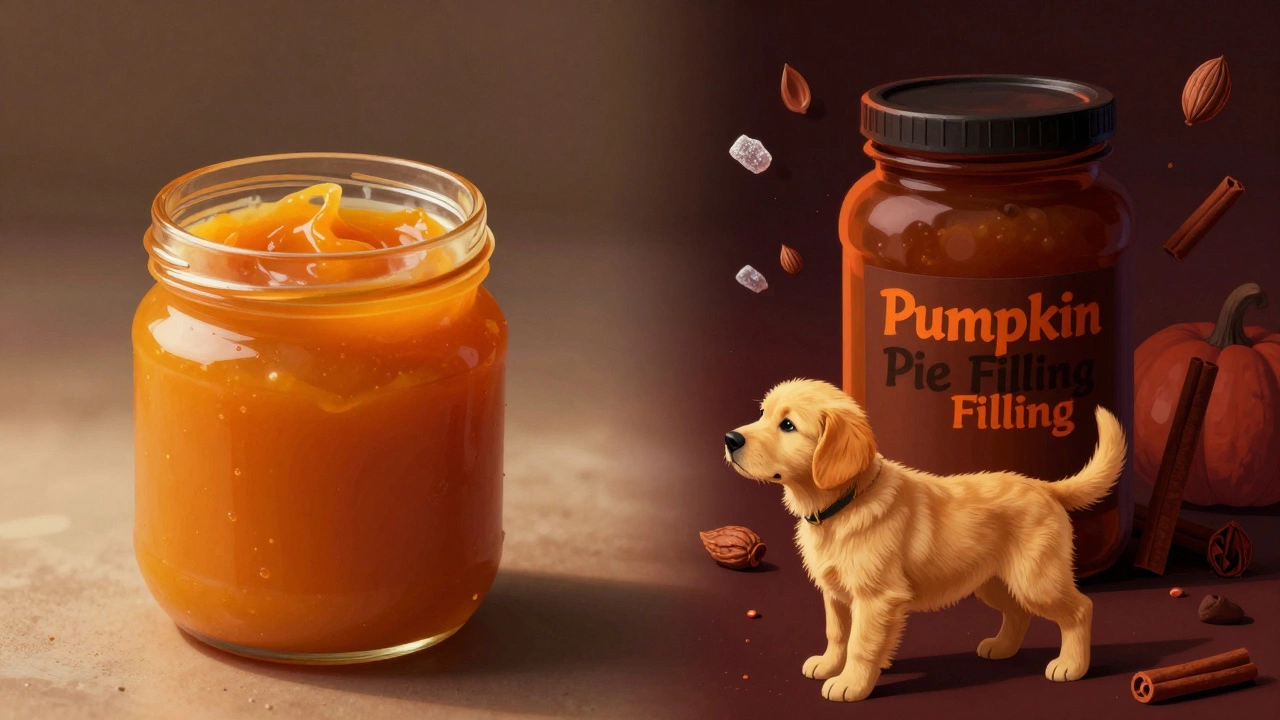
This is where most mistakes happen. You might think you’re doing your dog a favor by scraping a spoonful of leftover pie filling into their bowl. That’s a disaster waiting to happen. Commercial pumpkin pie filling is loaded with ingredients that are harmful to dogs.
- Sugar: Excessive sugar leads to obesity and dental decay. In severe cases, it can contribute to diabetes.
- Cinnamon: While small amounts aren’t immediately fatal, cinnamon oil can be irritating to a dog’s mouth and stomach. Large doses can cause liver damage.
- Nutmeg: This is the big one. Nutmeg contains myristicin, a compound that can cause hallucinations, increased heart rate, confusion, and even seizures in dogs. Even a teaspoon in a large batch of pie filling can be risky for a small breed.
- Xylitol: Some "healthy" or low-sugar pie fillings use xylitol as a sweetener. Xylitol is extremely toxic to dogs. It causes a rapid release of insulin, leading to hypoglycemia (low blood sugar) and potential liver failure. Just a tiny amount can be lethal.
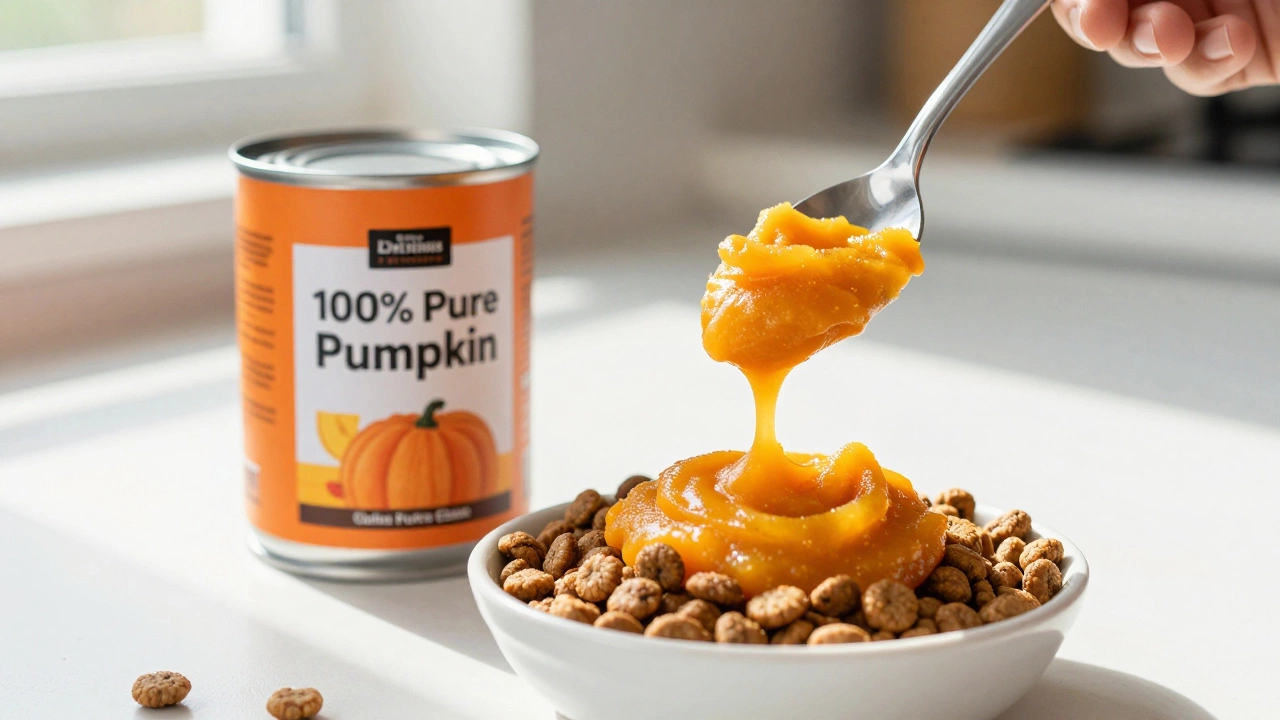
If you want to feed pumpkin, you must use 100% pure canned pumpkin or freshly cooked pumpkin. No spices. No sugar. No additives. Check the label. If the ingredient list says anything other than "pumpkin," put it back on the shelf.
Digestive Distress: When Good Fiber Goes Bad
Even with pure pumpkin, side effects can occur. The primary culprit is overfeeding. Fiber is great, but too much of it disrupts the balance of your dog’s gut microbiome. Here’s what happens when you go overboard:
Bloating and Gas: As the fiber ferments in the colon, it produces gas. For a dog prone to bloat (like Great Danes or German Shepherds), this added pressure is dangerous. Even for smaller breeds, excessive gas is uncomfortable and smelly. You’ll notice more flatulence and a distended belly.
Vomiting: If you introduce pumpkin too quickly, your dog’s stomach may reject it. Sudden dietary changes shock the system. Vomiting is the body’s way of saying, "Whoa, slow down." Start with a teaspoon for small dogs and a tablespoon for large ones. Gradually increase over a week.
Diarrhea Paradox: Yes, pumpkin treats diarrhea, but too much pumpkin can cause it. Soluble fiber absorbs water, but insoluble fiber (found in the skin and seeds) speeds up transit time. If you’re feeding raw pumpkin chunks or including the tough skins, you might end up with looser stools instead of firmer ones. Stick to smooth puree for digestive issues.
Allergic Reactions and Sensitivities
Dogs can develop allergies to almost anything, including vegetables. Pumpkin allergies are rare, but they do exist. Watch for signs after the first few servings:
- Itchy skin or ears
- Redness around the mouth
- Hives or swelling
- Chronic ear infections
If your dog has a history of food sensitivities, proceed with caution. Introduce any new supplement slowly. If you see itching or gastrointestinal upset within 24 hours, stop feeding it. Consult your vet before trying again.
Nutritional Imbalances
Pumpkin is nutritious, but it’s not a complete meal. Relying on it as a major part of your dog’s diet can lead to deficiencies. Dogs need balanced proteins, fats, and specific vitamins that pumpkin doesn’t provide in sufficient quantities. If you replace kibble with pumpkin, you’re setting your dog up for malnutrition.
Also, consider the calorie count. Pumpkin is low-calorie compared to meat, but it still adds up. If you’re adding a quarter cup of pumpkin daily without reducing other calories, your dog will gain weight. Obesity strains the heart, joints, and lungs. Keep pumpkin as a topper, not a main course. Aim for no more than 10% of their daily caloric intake from treats and supplements.
Preparation Pitfalls: Raw, Seeds, and Stems
How you prepare the pumpkin matters just as much as the pumpkin itself. Many owners try to save money by roasting fresh pumpkins. This is fine, but there are hazards.
Raw Pumpkin: Raw pumpkin is hard and difficult to digest. It can cause intestinal blockages, especially in small dogs. Always cook it until soft and blend it into a smooth consistency. Cooking breaks down the cell walls, making the nutrients more bioavailable.
Seeds and Peels: Pumpkin seeds are actually good for dogs-they contain zinc and fatty acids that support coat health. However, whole seeds pose a choking hazard and can cause blockages. If you want to feed seeds, grind them into a powder or buy de-oiled pumpkin seed meal. The peels are tough and fibrous. They don’t digest well and can irritate the lining of the stomach. Remove all peels before cooking.
Stems and Vines: These parts of the plant are woody and inedible. They offer no nutritional value and present a choking risk. Discard them entirely.
Who Should Avoid Pumpkin?
Not every dog needs or should have pumpkin. Certain medical conditions require specific dietary restrictions.
Kidney Disease: Pumpkin contains phosphorus and potassium. Dogs with chronic kidney disease often need to limit their intake of these minerals. High levels can accelerate kidney damage. If your dog is on a renal diet, ask your vet before adding pumpkin.
Diabetes: While pure pumpkin has a low glycemic index, it still contains carbohydrates. For diabetic dogs managing insulin levels, consistent carb intake is crucial. Adding unpredictable amounts of pumpkin can spike blood sugar. Work with your vet to adjust insulin doses if you include pumpkin regularly.
Pancreatitis: Dogs recovering from pancreatitis need a very low-fat diet. While pumpkin is low-fat, some commercial "purees" add oils. Ensure your source is strictly fat-free. Also, the high fiber content might irritate an inflamed pancreas during acute phases.
| Product Type | Safety Status | Key Risks | Recommendation |
|---|---|---|---|
| 100% Canned Puree | Safe | Overfeeding | Best option. Check label for single ingredient. |
| Fresh Cooked Pumpkin | Safe | Peel/Skin ingestion | Remove skin, cook thoroughly, blend smooth. |
| Pumpkin Pie Filling | Unsafe | Sugar, Spices, Xylitol | Never feed. Contains toxic additives. |
| Raw Pumpkin Chunks | Risky | Blockage, Indigestion | Cook before feeding. |
| Pumpkin Seeds (Whole) | Risky | Choking, Blockage | Grind into powder or use seed meal. |
How to Feed Pumpkin Safely
To get the benefits without the side effects, follow these simple rules:
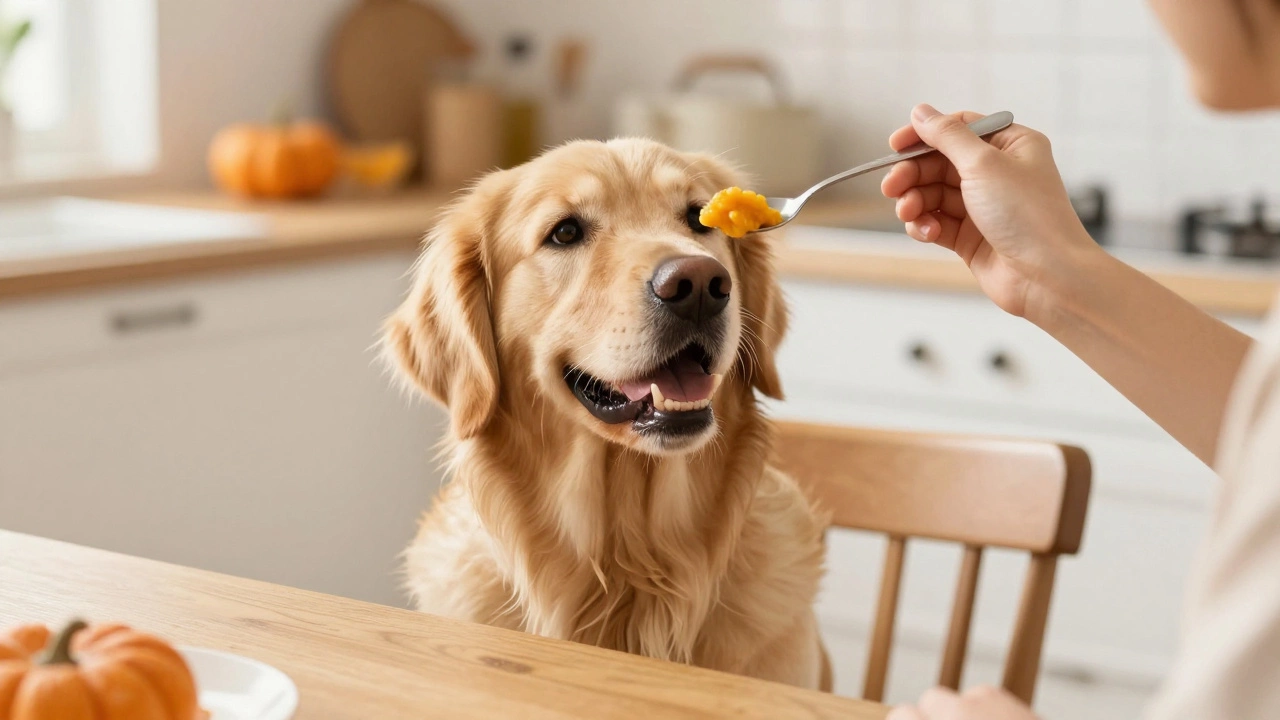
- Start Small: Begin with 1 teaspoon for small dogs and 1 tablespoon for large dogs. Monitor for 24 hours.
- Check the Label: Only buy cans labeled "100% Pure Pumpkin." Ignore "Pie Filling" or "Seasoned" varieties.
- Mix It In: Stir the puree into their regular wet or dry food. Don’t serve it alone unless directed by a vet.
- Hydrate: Fiber needs water to work. Ensure your dog has access to fresh water, especially if increasing fiber intake.
- Rotate Supplements: Don’t rely on pumpkin forever. Rotate with other healthy toppers like blueberries or carrots to ensure varied nutrient intake.
Pumpkin is a powerful tool in your pet care toolkit, but it’s not magic. It works best when used correctly. By avoiding processed fillers, respecting portion sizes, and understanding your dog’s unique health needs, you can safely harness the power of this humble squash. Your dog’s gut-and their tail wags-will thank you.
Can pumpkin make my dog sick?
Yes, if you feed the wrong type or too much. Pie filling contains sugar and spices like nutmeg that are toxic. Overfeeding pure pumpkin can cause bloating, gas, and vomiting due to excessive fiber.
Is canned pumpkin safe for dogs?
Only if it is 100% pure pumpkin. Read the label carefully. Avoid any product labeled "pie filling" or containing added sugars, spices, or preservatives. Freshly cooked and blended pumpkin is also a safe alternative.
How much pumpkin should I give my dog?
Start with 1 teaspoon for small dogs and 1 tablespoon for large dogs per day. Do not exceed 10% of their daily caloric intake. Adjust based on your dog’s size and reaction.
Can dogs eat pumpkin seeds?
Yes, but they should be ground into a powder or used as seed meal. Whole seeds pose a choking hazard and can cause intestinal blockages. Grind them to release nutrients like zinc and fatty acids safely.
What are the signs of pumpkin toxicity in dogs?
If your dog eats pie filling with nutmeg or xylitol, watch for vomiting, diarrhea, lethargy, tremors, or seizures. Contact your vet immediately if you suspect ingestion of toxic additives. Pure pumpkin side effects are usually mild gas or bloating.
Can I give raw pumpkin to my dog?
It is not recommended. Raw pumpkin is hard and difficult to digest, posing a risk of intestinal blockage. Always cook and puree pumpkin to make it safe and nutritious for your dog.
Does pumpkin help with dog allergies?
Pumpkin does not cure allergies. In rare cases, dogs can be allergic to pumpkin itself. If your dog has itchy skin or gastrointestinal issues after eating pumpkin, stop feeding it and consult your vet.