Dog Lick Hygiene Risk Calculator
Use this tool to determine if a specific lick scenario poses a low, moderate, or high health risk.
Risk Assessment
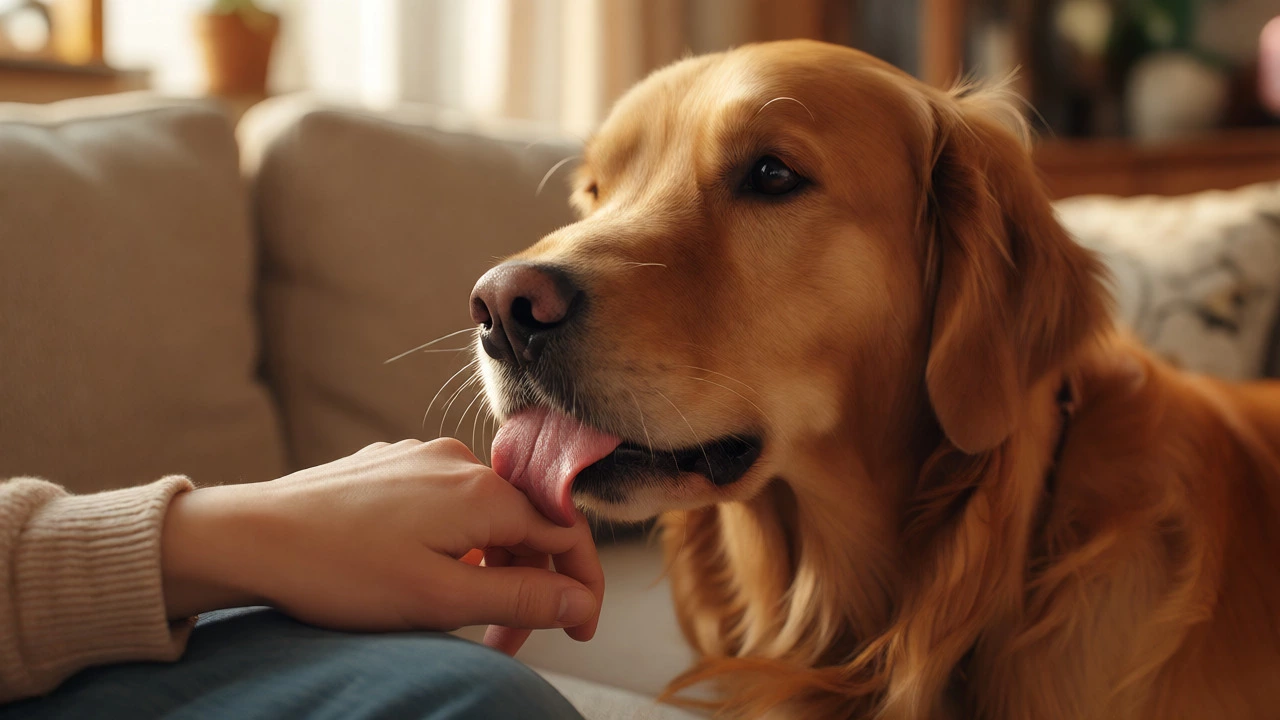
--You’re sitting on the sofa, scrolling through your phone, and suddenly a wet, rough tongue slaps against your hand. It’s affectionate, sure. But is it clean? Most of us have wondered if letting our dogs lick us is actually safe, especially when we see them sniffing things at the park that we’d rather not think about. The short answer isn’t a simple yes or no. It depends on who is being licked, where they are being licked, and what their immune system looks like.
The Myth of Clean Dog Mouths
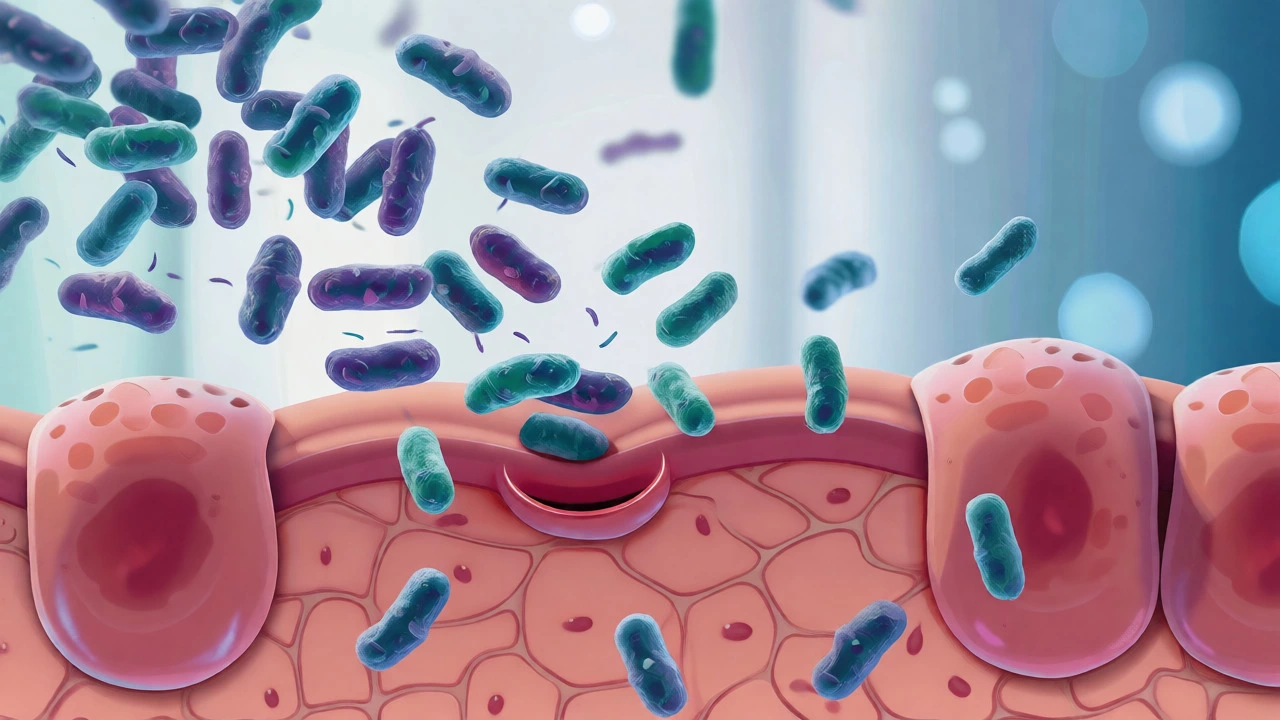
There’s an old saying that a dog’s mouth is cleaner than a human’s because their saliva contains antibacterial enzymes. This idea has been repeated so often that many people believe it without question. But here’s the reality: while dog saliva does contain some compounds that help heal wounds in other dogs, it doesn’t mean their mouths are sterile. In fact, a dog’s mouth hosts hundreds of different species of bacteria. Some of these are harmless to humans, but others can cause infections if they get into the wrong places.
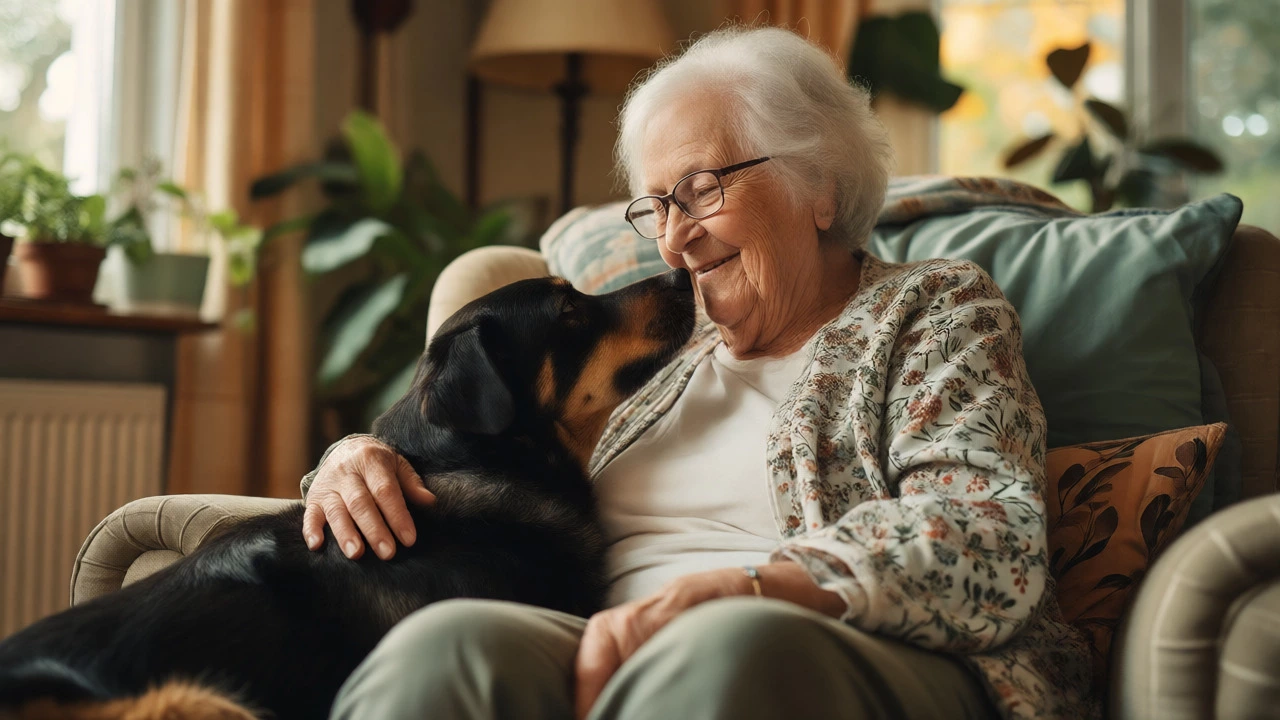
Capnocytophaga canimorsus is one such bacterium. It lives naturally in the mouths of most healthy dogs and cats. For the average person with a strong immune system, exposure to this bacterium through a lick is rarely problematic. However, for individuals with compromised immune systems, those without a spleen, or people with open wounds, Capnocytophaga can lead to serious, sometimes life-threatening infections. A study published in the New England Journal of Medicine highlighted cases where minor scratches or licks led to severe sepsis in vulnerable patients. So, while your healthy adult self might be fine, your grandmother or a friend undergoing chemotherapy might not be.
Zoonotic Diseases and Parasites
Beyond bacteria, there are parasites to consider. Dogs often groom themselves by licking their rear ends. While this keeps them clean from their perspective, it transfers fecal matter-and potentially parasite eggs-into their mouths. If your dog then licks your face or hands, you’re essentially getting a microscopic dose of whatever was in their digestive tract.
Common concerns include Toxocara canis, commonly known as roundworm, which can cause visceral larva migrans in humans. This condition occurs when roundworm larvae migrate through human tissues, causing inflammation and potential organ damage. Another concern is Giardia, a protozoan parasite that causes gastrointestinal issues in both dogs and humans. While transmission via licking is less common than direct contact with feces, it’s not impossible, especially if the dog has just rolled in contaminated soil and then grooms itself vigorously before greeting you.
It’s worth noting that regular deworming and good hygiene significantly reduce these risks. If your dog is on a current dog health supplement regimen that includes preventative care and receives monthly flea and worm treatments, the likelihood of transmitting parasites through a lick drops dramatically. Prevention is far easier than treatment, and keeping up with veterinary check-ups ensures your dog remains a low-risk companion.
| Scenario | Risk Level | Why? |
|---|---|---|
| Licking intact skin on arm/leg | Low | Skin acts as a barrier; healthy immune system handles minor bacteria. |
| Licking face/mouth/nose | Moderate | Mucous membranes absorb bacteria more easily than skin. |
| Licking open wound/cut | High | Direct entry point for bacteria like Staphylococcus and Pasteurella. |
| Licking immunocompromised person | High | Reduced ability to fight off opportunistic pathogens. |
When Licking Becomes a Problem
Sometimes, the issue isn’t just hygiene-it’s behavior. Excessive licking can signal anxiety, boredom, or pain. If your dog is obsessively licking your hands, feet, or face, it might be trying to communicate something beyond affection. Dogs release endorphins when they lick, which soothes them. If your dog is stressed, they might use licking as a self-soothing mechanism that spills over onto you.
On the flip side, if your dog is licking their own paws or joints excessively, it could indicate allergies or joint pain. This is where dog health supplements play a crucial role. Supplements containing omega-3 fatty acids, glucosamine, and chondroitin can support joint health and skin integrity, reducing the urge to lick due to discomfort. When a dog is physically comfortable, their behavioral licking often decreases.
Also, consider the context. Did your dog just eat something gross? Or did they roll in something questionable at the park? Using common sense is key. If their mouth smells foul or they’ve just engaged in typical dog behaviors involving ground-level exploration, maybe skip the facial kisses until they’ve had a chance to rinse out.
Hygiene Tips for Safe Cuddling
You don’t have to ban all licking to stay safe. With a few simple habits, you can enjoy the bond without worrying about germs. First, wash your hands after handling your dog, especially before eating. This breaks the chain of transmission for any bacteria or parasites that might have transferred from fur to skin to mouth.
Second, keep your dog’s dental health in check. Bad breath isn’t just annoying; it’s often a sign of gum disease, which harbors more harmful bacteria. Regular brushing and professional cleanings reduce the bacterial load in their mouth. Many owners find that adding water additives or dental chews helps maintain oral hygiene between vet visits.
Third, avoid letting your dog lick open wounds. If you have a cut, scrape, or surgical incision, cover it up. Don’t let your dog treat it like their own injury. Their instinct to clean wounds works well for their thick skin, but human skin is thinner and more prone to infection from animal-specific pathogens.
The Emotional Benefit vs. The Risk
Despite the warnings, there’s a reason we love being licked. Oxytocin, the “love hormone,” spikes in both humans and dogs during positive social interactions. A gentle lick can lower blood pressure and reduce stress levels for both parties. For many people, the emotional comfort outweighs the minimal health risk, provided basic hygiene is maintained.
If you’re generally healthy and practice good hand-washing habits, letting your dog lick your arms or legs is perfectly fine. It’s a natural part of canine communication and bonding. Just be mindful of the boundaries: avoid mucous membranes (eyes, nose, mouth) and broken skin. And always prioritize your dog’s overall health. A dog that is up-to-date on vaccinations, deworming, and dental care poses a much lower risk than one with neglected health needs.
Ultimately, the decision comes down to personal comfort and specific health circumstances. There’s no need to feel guilty about setting boundaries. If you prefer hugs over licks, train your dog to accept alternative forms of affection. Use treats and praise to reinforce calm behavior instead of jumping and licking. Over time, they’ll learn that sitting quietly next to you earns them just as much attention as slobbering on your face.
Is dog saliva really cleaner than human saliva?
No, this is a myth. While dog saliva contains some antibacterial properties helpful for their own healing, their mouths harbor hundreds of bacterial species, many of which are foreign to humans. Human mouths also have unique bacteria, but neither is "cleaner" in a way that makes cross-species licking inherently safe without caution.
Can I get sick from my dog licking my face?
For most healthy adults, the risk is very low. However, bacteria like Capnocytophaga canimorsus and parasites like Giardia can be transmitted. People with weakened immune systems, young children, and the elderly should avoid having dogs lick their faces to prevent potential infections.
Why does my dog lick me so much?
Dogs lick for several reasons: affection, seeking attention, tasting salt on your skin, or self-soothing anxiety. Sometimes, excessive licking indicates pain or allergies. If the behavior changes suddenly, consult a vet to rule out medical issues.
How can I stop my dog from licking me?
Ignore the behavior when it happens. Turn away or stand up to remove attention. Reward your dog with treats or praise when they are calm and not licking. Consistency is key. You can also redirect their energy with toys or training commands.
Do dog health supplements help with bad breath?
Yes, certain supplements can improve oral health. Probiotics may balance gut flora, which impacts breath. Omega-3 fatty acids reduce inflammation in gums. Always combine supplements with regular tooth brushing and professional dental cleanings for best results.