Dog Coat Safety Checker
Select Your Dog's Details
Coat Visualization & Result
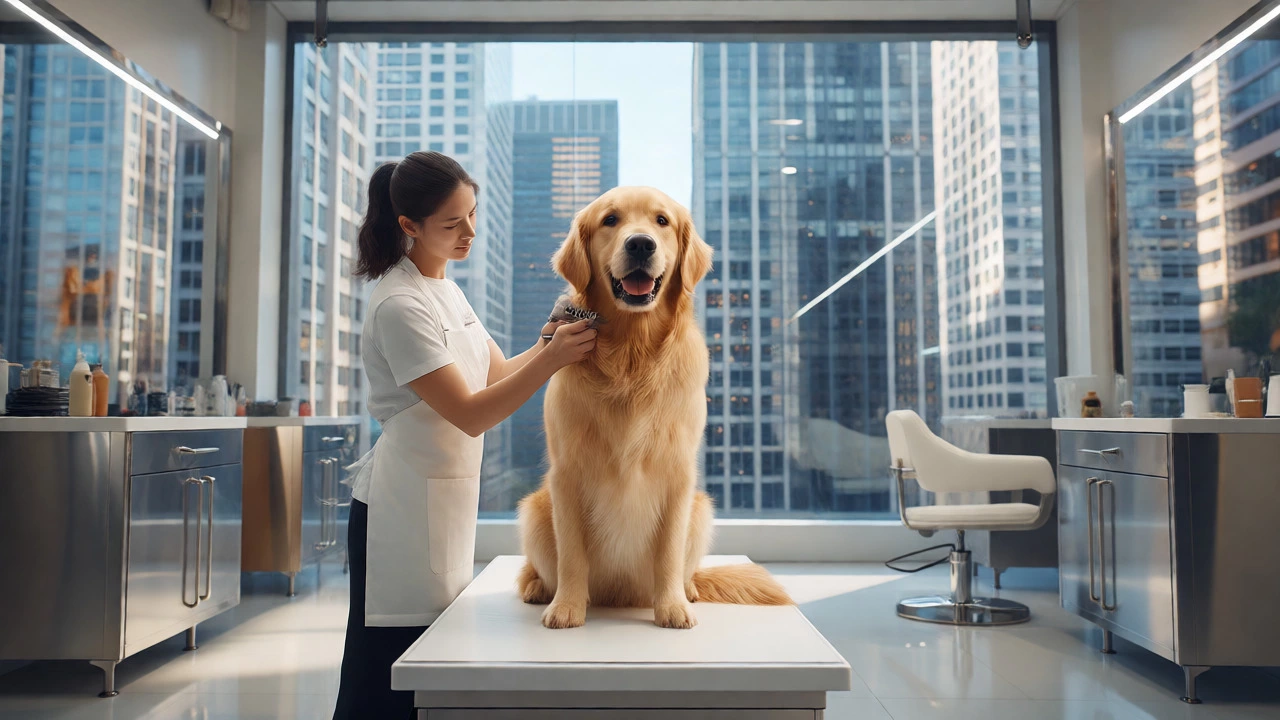
It looks like a quick fix. Your golden retriever is shedding everywhere, so you book a "puppy cut" to keep the mess down. The groomer shaves him down to the skin. Two weeks later, he’s not cooler. He’s sunburned. His coat grows back patchy and weird. And now you’re wondering if you just ruined his fur forever.
This happens more often than you think. Many owners assume that shaving any dog makes them comfortable in summer or easier to manage. But biology doesn’t care about convenience. For certain breeds, cutting their hair isn't just unnecessary-it's dangerous. It strips away their natural insulation, exposes sensitive skin to UV rays, and can permanently alter how their coat grows.
Knowing which dogs should never get a haircut saves your pet from discomfort and saves you from expensive vet bills. Let’s break down exactly who needs the clippers kept far away, why their coats work the way they do, and what you should actually be doing instead.
The Double Coat Trap: Why Shaving Hurts
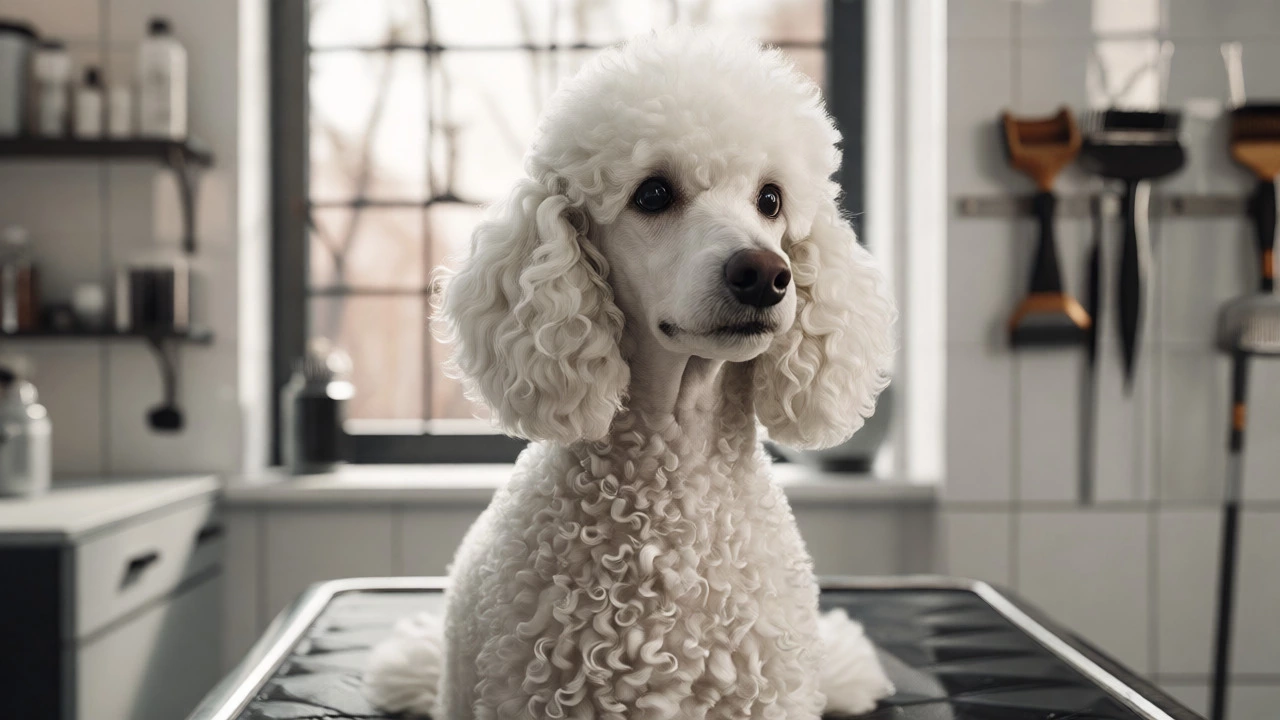
To understand why some dogs shouldn't be shaved, you have to look at what’s under the surface. Most dogs fall into two categories: single-coated and double-coated. Single-coated breeds, like Poodles or Maltese, have one layer of hair that keeps growing. You can trim these safely because the hair structure remains consistent.
Double-coated breeds are different. They have two distinct layers working together as a thermal regulation system:
- The Guard Coat (Outer Layer): These are the long, coarse hairs you see. They repel water, dirt, and debris. Think of this as the raincoat.
- The Undercoat (Inner Layer): This is the soft, dense fluff close to the skin. It traps air to insulate against both cold and heat. Think of this as the sweater.
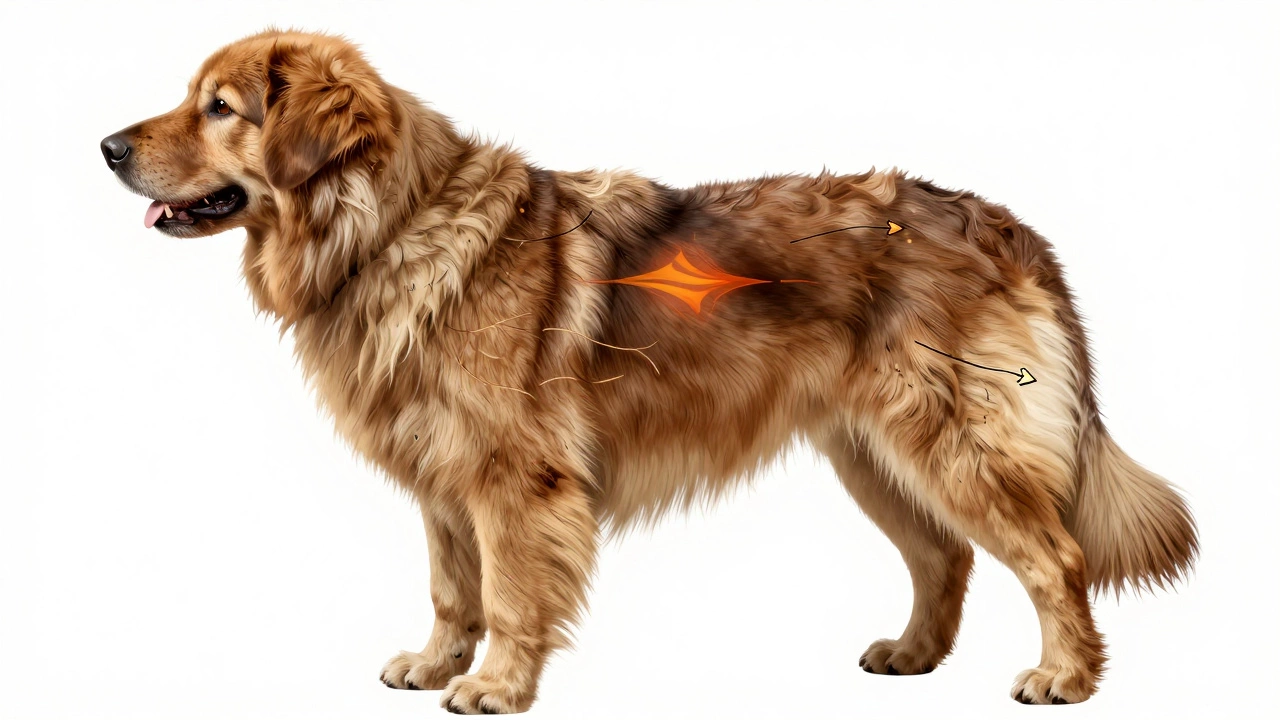
When you shave a double-coated dog, you don’t just remove the length; you disrupt the growth cycle of both layers. The guard hairs may grow back thinner or curly, while the undercoat might stop shedding properly. This leads to "coat blow," where the undercoat gets trapped, causing matting and skin infections. Worse, you lose the natural temperature control. In summer, the intact coat reflects sunlight and allows air to circulate near the skin. Shaved skin absorbs heat directly, making the dog hotter, not cooler.
Breeds That Should Never Be Shaved
If you own one of these breeds, put the clippers down. These dogs rely on their full coat for health, comfort, and identity.
1. Spitz-Type Breeds
This group includes Alaskan Malamutes, Samoyeds, and Keeshonds. They were bred in Arctic conditions. Their coats are engineered to handle sub-zero temperatures, but that same engineering works in reverse during heat waves. The hollow guard hairs create an air gap that keeps the body cool. Shaving them destroys this mechanism. Plus, their skin is thin and prone to tearing if nicked by blades.
2. Working and Herding Dogs
German Shepherds, Belgian Malinois, and Border Collies all have dense double coats. A German Shepherd’s saddle and ruff aren't just for show; they protect muscles and joints. Removing the hair leaves them vulnerable to chafing, bug bites, and scratches. Border Collies, often active outdoors, need their coat to shield against brambles and thorns. A shaved BC is a bruised BC.
3. Retrievers and Pointers
Golden Retrievers, Labradors, and Flat-Coated Retrievers shed heavily, which tempts owners to shave them. But Labradors have a water-resistant outer coat that protects them from lake weeds and sun. Goldens have a soft undercoat that mats easily if cut too short, leading to hot spots. Trimming is fine for hygiene, but a full shave is harmful.
4. Other Sensitive Coats
Akita Inus, Newfoundlands, and even Corgis fall into this category. Corgis might look small, but their coat density is high relative to their size. Shaving a Corgi exposes their belly to ground heat and grass irritation. Newfoundlands have woolly undercoats that trap heat if matted, but shaving them causes permanent texture changes known as "wirehair syndrome."
| Breed Type | Coat Structure | Risk of Shaving | Safe Alternative |
|---|---|---|---|
| Siberian Husky | Dense Double Coat | Sunburn, Coat Blow | De-shedding brushing |
| Golden Retriever | Water-Repellent Double | Hot Spots, Patchy Regrowth | Line brushing & light trimming |
| Poodle | Single Curly Coat | Low (if done correctly) | Regular clipping |
| German Shepherd | Dense Double Coat | Skin Irritation, Heat Stroke | Undercoat rake removal |
The Myth of "Cooling Down" Your Dog
We humans sweat through our pores. Dogs pant and sweat slightly through their paw pads. Their primary cooling method is behavioral: seeking shade, lying on cool floors, and drinking water. A coat acts as insulation, keeping external heat out. Imagine wearing a white t-shirt versus standing naked in the sun. The shirt reflects heat. The skin absorbs it. Same logic applies to dogs.
Studies in veterinary dermatology show that double-coated dogs maintain stable body temperatures better with their coats intact than without. When you shave them, you force their bodies to work harder to regulate temperature. They become lethargic, overheat faster, and suffer from stress. If your dog is overheating, the solution isn't a haircut-it’s hydration, air conditioning, and limiting exercise during peak heat hours.
What About Matted Coats?
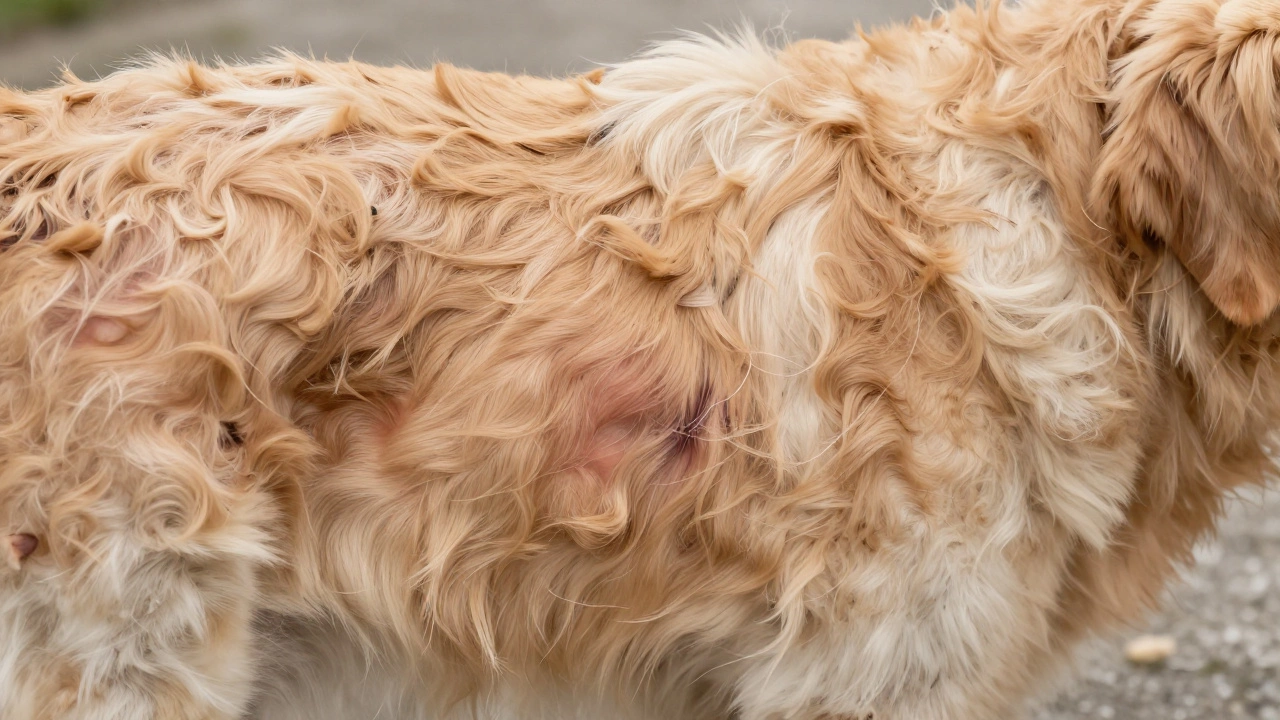
Here’s the hard truth: if your double-coated dog is severely matted, you might have no choice but to shave them. Mats pull on the skin, cause pain, and hide parasites or infections. In this case, shaving is a medical necessity, not a cosmetic choice. However, expect the regrown coat to look different. It may take 6-18 months to return to its original texture, and in some cases, it never fully recovers. This is called "post-clipping alopecia" or "coat disruption."
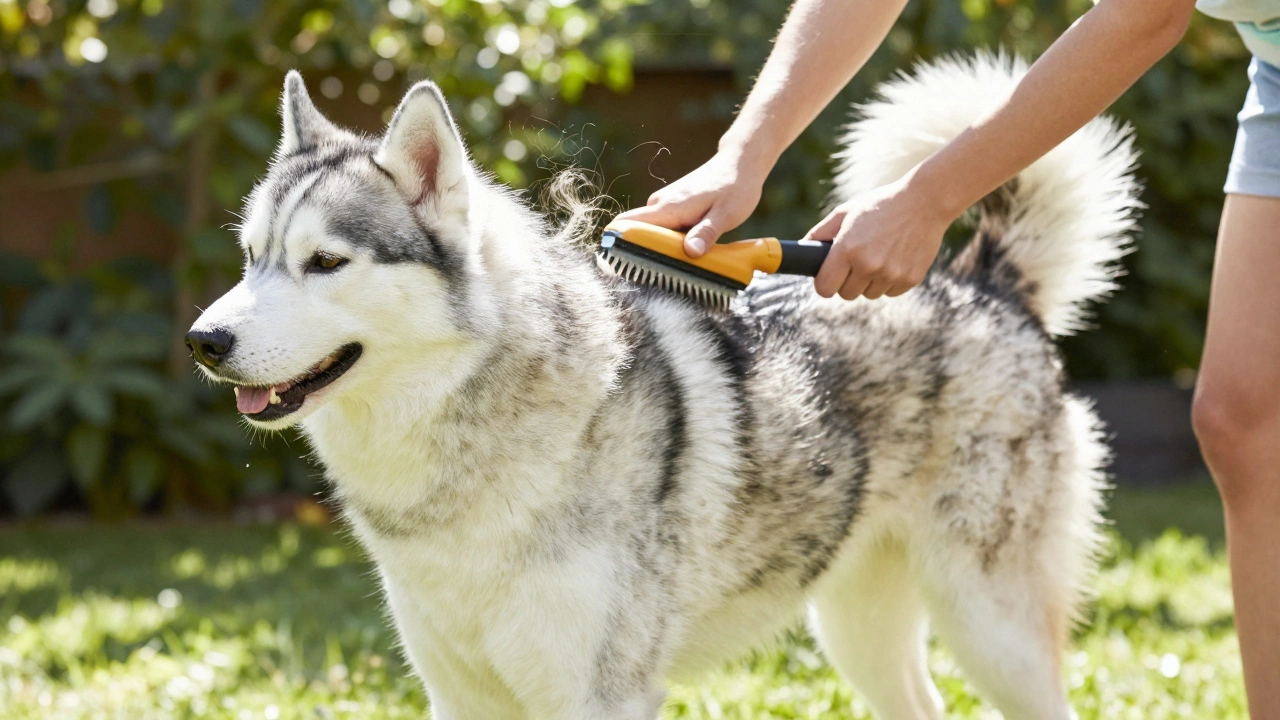
To avoid reaching this point, prevention is key. Regular brushing-daily during shedding seasons-is non-negotiable. Use tools designed for double coats, like undercoat rakes or slicker brushes, to reach the dense layer beneath the guard hairs. Never use a pin brush alone on a thick double coat; it glides over the top without removing loose underfur.
Safe Grooming Practices for Double-Coated Breeds
You don’t need to shave your dog to keep them tidy. Here’s what actually works:
- De-shedding Tools: Invest in a quality undercoat rake (like a Furminator or similar brand). Run it gently through the coat to lift loose underfur without damaging the guard hairs.
- Line Brushing: Part the coat down to the skin and brush section by section. This ensures you’re removing dead hair from the root, preventing future mats.
- Hygiene Trims Only: Ask your groomer to trim only around the sanitary area (genitals/anus), paw pads, and between toes. This keeps them clean without affecting the overall coat function.
- Bathing Frequency: Bathe every 4-6 weeks with a moisturizing shampoo. Over-bathing strips natural oils, leading to dry skin and increased shedding.
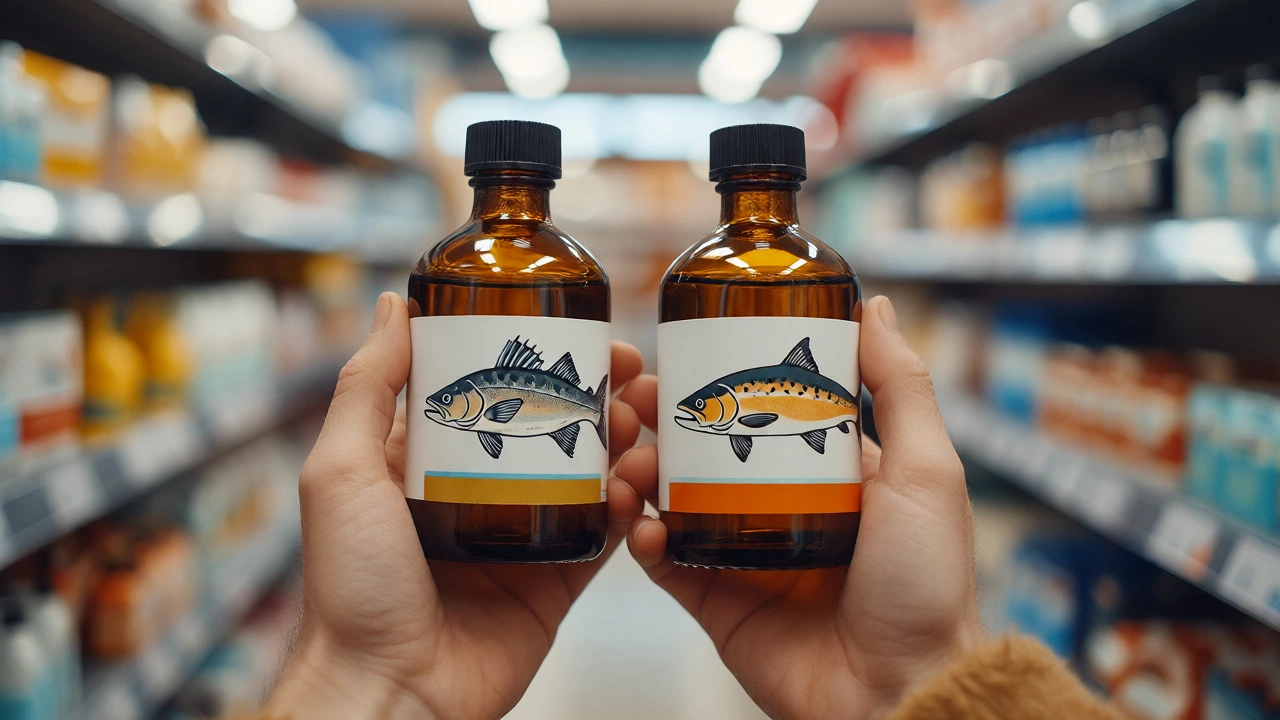
- Dietary Support: Omega-3 and Omega-6 fatty acids improve coat health and reduce excessive shedding. Look for fish oil supplements approved by vets.
When Is It Okay to Cut Hair?
Not all dogs are built the same. Single-coated breeds like Poodles, Shih Tzus, Maltese, and Havanese have hair that grows continuously, similar to human hair. These dogs need regular cuts to prevent tangling and eye irritation. Wire-haired breeds like Terriers often require hand-stripping rather than clipping to maintain texture, but light trims are acceptable for pet shows or ease of care.
If you’re unsure about your dog’s coat type, ask your breeder or vet. Look at the hair when you pluck a strand. Does it have a medulla (a hollow center)? Is there a soft layer underneath? If yes, it’s likely a double coat. If the hair is uniform in thickness and keeps growing, it’s single-coated.
Signs Your Dog Needs Professional Help
Don’t try to de-mat a severe case yourself. Pulling on mats causes micro-tears in the skin, leading to infection. Watch for these signs:
- Hard, felt-like patches that don’t separate with fingers
- Redness or odor coming from beneath the fur
- Your dog whining or pulling away when touched
- Lumps or bumps hidden under the coat
In these cases, seek a professional groomer experienced with double coats. They know how to shave safely if necessary and will advise on post-shave care. Always choose a groomer who prioritizes animal welfare over speed.
Will my dog's coat grow back normally after being shaved?
For many double-coated breeds, the coat may grow back, but it often takes 6 to 18 months. The texture might change permanently-a condition called wirehair syndrome-where the soft undercoat becomes wiry and brittle. Some dogs experience patchy regrowth or thinning areas that never fully recover. It’s best to avoid shaving unless medically necessary.
Does shaving a Husky help with shedding?
No. Shaving does not stop shedding. Huskies shed their undercoat naturally twice a year ("blowing coat"). Shaving removes the guard hairs but leaves the undercoat intact, which continues to shed. In fact, shaving can make shedding worse by disrupting the natural cycle, leading to uneven regrowth and more loose hair floating around.
Can I trim my Golden Retriever's ears and paws?
Yes. Light trimming around the ears, sanitary area, and paw pads is safe and recommended for hygiene. Just ensure the groomer uses scissors or low-guard clippers carefully to avoid nicks. This maintains cleanliness without compromising the protective function of the main coat.
Why do groomers sometimes recommend shaving double-coated dogs?
Some groomers may suggest shaving for convenience or if the coat is already severely matted. However, reputable groomers specializing in double coats will advise against full shaves unless required for health reasons. Always ask for alternatives like line brushing or de-shedding treatments before agreeing to a shave.
How often should I brush a double-coated dog?
During heavy shedding seasons (spring and fall), daily brushing is ideal. In other months, 2-3 times per week suffices. Use an undercoat rake to remove loose fur from the root. Consistent brushing prevents mats, reduces household shedding, and promotes healthy skin circulation.