Cat Food Additive Checker
Select an ingredient you are considering adding to your cat's dry kibble to see its impact on health, hydration, and safety.
Result Title
StatusPrimary Benefit
-
Risk Factor
-
Recommended Usage
-
Hydration Tip
Dry food typically contains only 6-10% moisture. Cats have a low thirst drive. Adding water or broth is often the easiest way to prevent urinary issues like FLUTD.
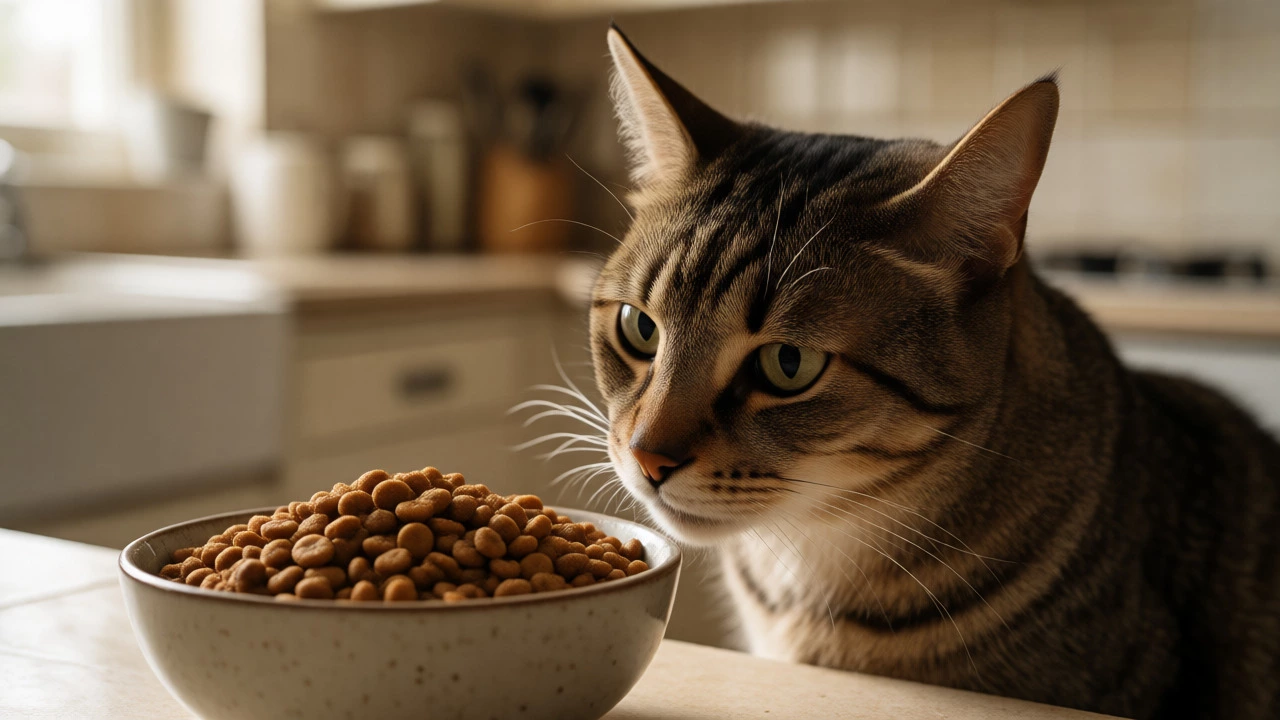
You pour the kibble into the bowl, watch your cat sniff it, maybe eat a few pieces, and then walk away. It’s a common scene in households across Bristol and beyond. You start wondering: is this enough? Should I be adding something to make it healthier, tastier, or more hydrating? The short answer is yes-but not just anything. Adding random bits of human food can actually mess up your cat’s delicate nutritional balance.
Cat dry food is a convenient, shelf-stable diet option that provides essential nutrients but often lacks sufficient moisture content. While modern formulations are complete and balanced on their own, many cats benefit from specific additions that improve hydration, palatability, and overall well-being. Let’s break down exactly what works, what doesn’t, and why.
Why Hydration Is the Biggest Issue with Dry Food
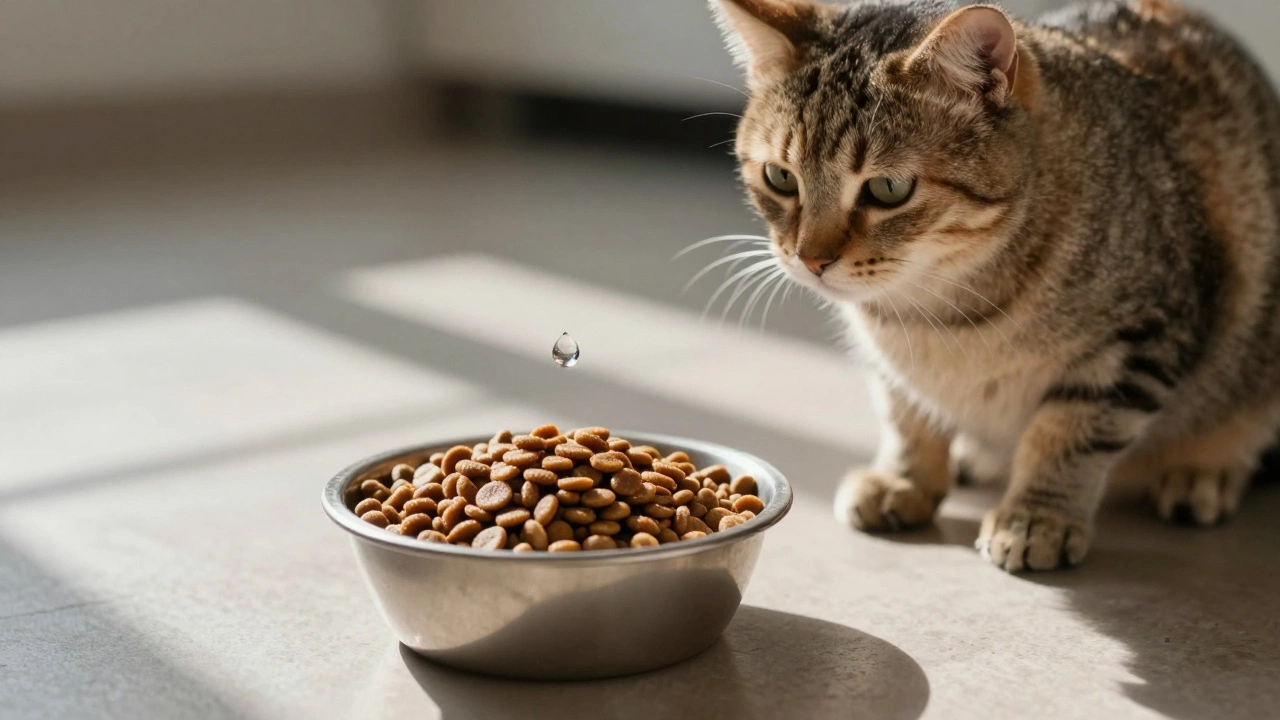
Cats are descendants of desert-dwelling ancestors who got most of their water from prey. This means they have a low thirst drive compared to dogs or humans. When you feed only Dry Kibble, which typically contains only 6-10% moisture, you’re asking your cat to drink significantly more water than their biology naturally encourages.
This discrepancy leads to concentrated urine, which increases the risk of urinary crystals, stones, and lower urinary tract disease (FLUTD). If your cat rarely visits its water bowl, adding moisture to their food is one of the easiest ways to support kidney and bladder health without forcing them to drink more.
The Best Additions: Safe and Beneficial Options
Not all toppings are created equal. Here are the top three categories of additions that vets and nutritionists generally approve of, provided they are used in moderation.
Warm Water or Bone Broth
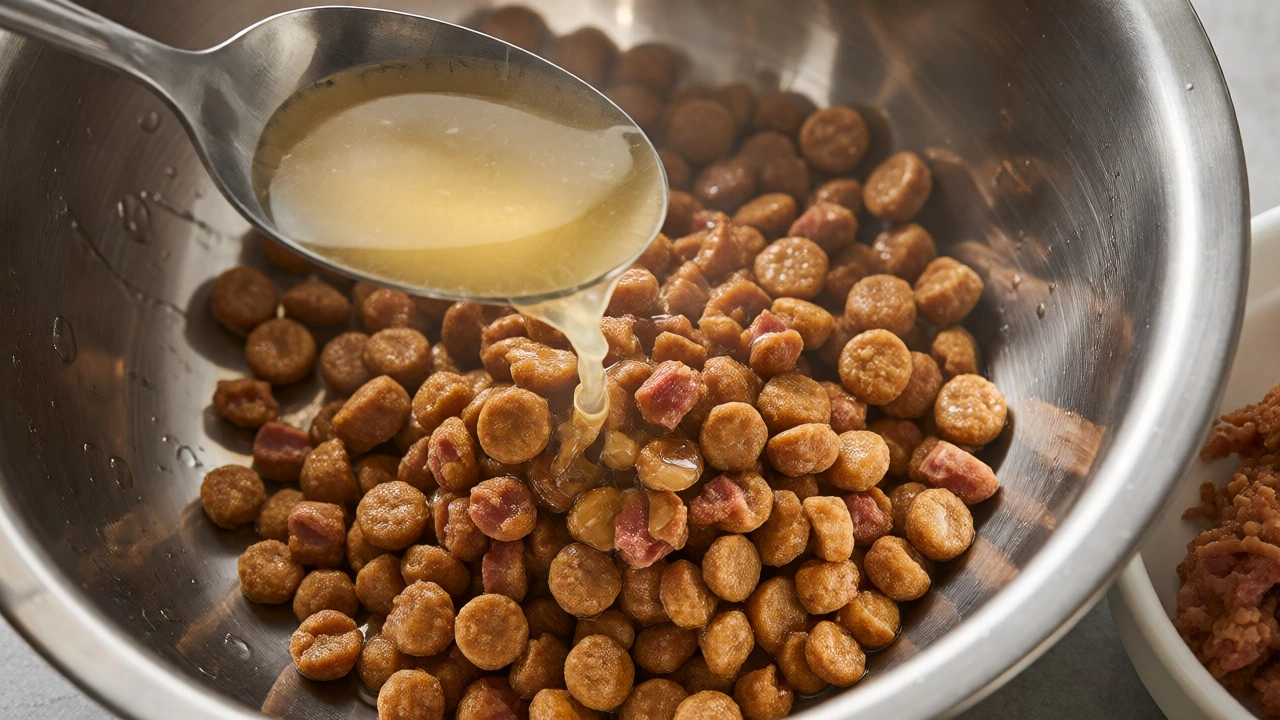
The simplest upgrade is plain, warm water. It releases the aroma of the kibble, making it more appealing to picky eaters, and instantly boosts hydration. For an extra nutrient kick, use unsalted, onion-free bone broth. Ensure it has no added garlic or onions, as these are toxic to cats. A tablespoon per meal is usually sufficient.
Wet Food Mixing
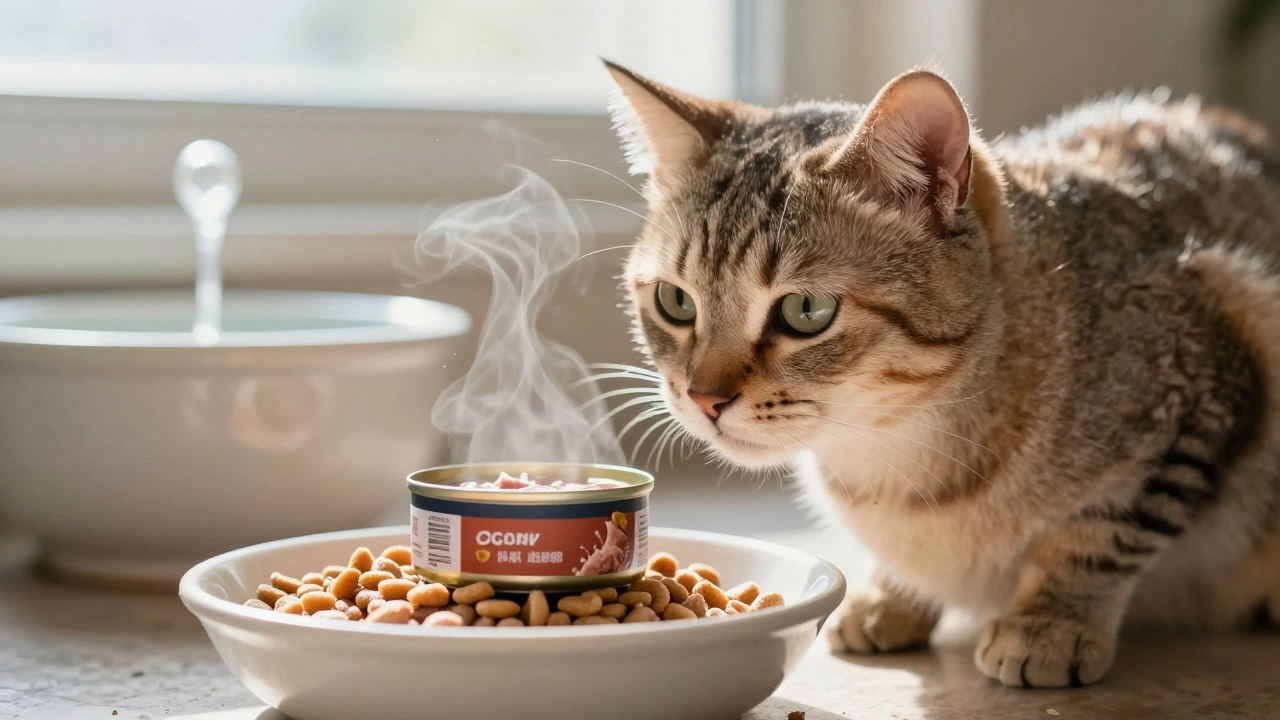
Mixing a small amount of high-quality wet food into dry kibble is a popular strategy. This isn't cheating; it’s strategic feeding. Wet food typically contains 70-80% moisture. By mixing them, you get the dental benefits of chewing dry food (though minimal) and the hydration of wet food. Look for brands with named meat sources like chicken or salmon rather than vague "meat by-products."
Healthy Fats: Fish Oil and Coconut Oil
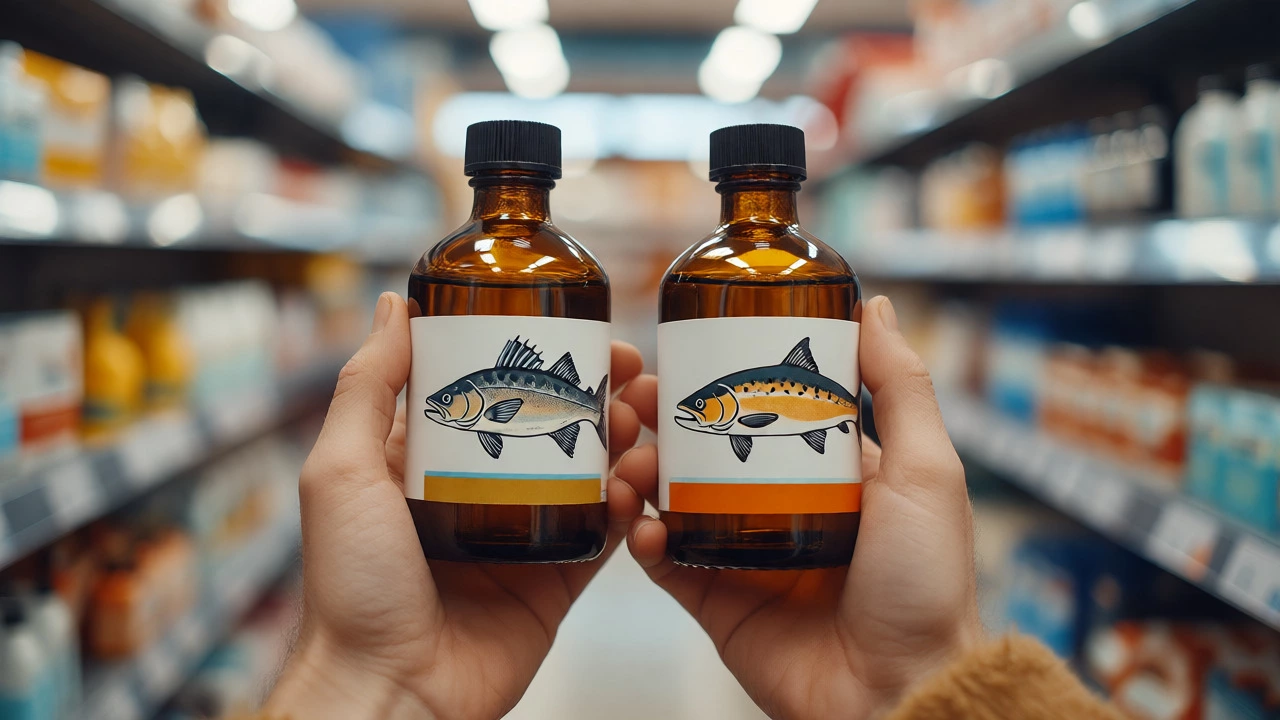
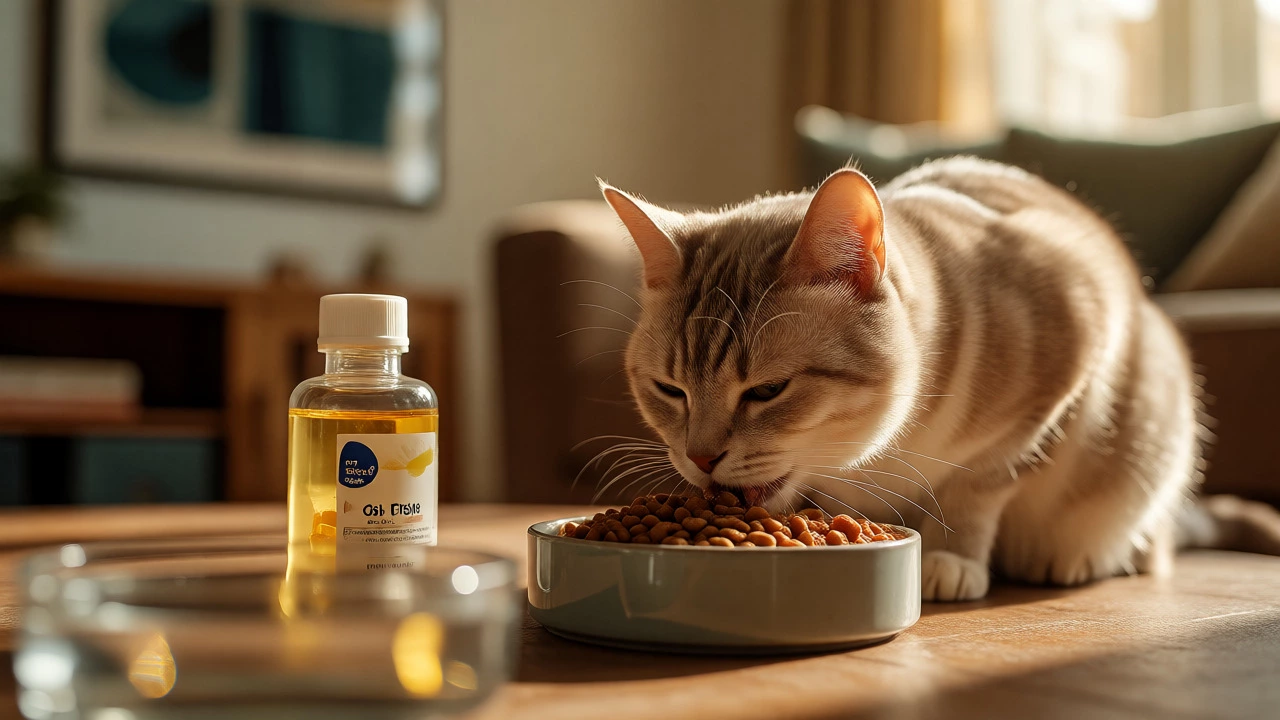
If your cat has a dull coat or dry skin, omega-3 fatty acids can help. Fish oil supplements designed for pets are excellent anti-inflammatories. Coconut oil is another option, though opinions vary; some cats love the taste, while others avoid it. Always introduce fats slowly-start with a quarter teaspoon-to avoid digestive upset or diarrhea.
What to Avoid: Common Mistakes
We’ve all been tempted to give our cats a scrap from our plate. But human food isn’t always safe. Here’s what you should leave out of the bowl.
- Milk and Dairy: Most adult cats are lactose intolerant. Cow’s milk can cause gas, bloating, and diarrhea. Stick to specialized cat milk if you want to offer a milky treat.
- Onions, Garlic, and Chives: These belong to the Allium family and can damage red blood cells in cats, leading to anemia. Even powdered forms in seasoned meats are risky.
- Raw Dough or Yeast: This can expand in the stomach and produce alcohol, causing toxicity.
- Excessive Treats: If you add too much wet food or treats, your cat might ignore the balanced kibble, leading to nutritional gaps over time.
How Much Should You Add?
Balance is key. If you add too much topping, you dilute the precise vitamin and mineral ratios engineered into commercial dry foods. A good rule of thumb is the 90/10 rule: 90% of your cat’s calories should come from their primary balanced diet (the dry food), and 10% can come from extras.
| Addition Type | Primary Benefit | Risk Factor | Recommended Amount |
|---|---|---|---|
| Warm Water | Hydration & Aroma | None | 1-2 tbsp per cup |
| Unsalted Broth | Flavor & Electrolytes | Sodium/Garlic content | 1 tbsp per meal |
| Fish Oil | Skin/Coat Health | Caloric density | 1/4 tsp daily |
| Wet Food Mix | Hydration & Palatability | Imbalance if overused | Max 10% of total volume |
Signs Your Cat Needs More Than Just Dry Food
Some cats thrive on dry food alone. Others struggle. Watch for these signs that suggest your current setup needs tweaking:
- Constant Thirst: If your cat is drinking excessively, ensure fresh water is available, but also consider increasing dietary moisture.
- Weight Fluctuations: Dry food is calorie-dense. It’s easy to overfeed. Weigh portions to prevent obesity.
- Dull Coat: Lack of essential fatty acids may show in fur texture.
- Lethargy: Dehydration can make cats less active. If playtime decreases, check hydration levels.
Transitioning Smoothly
If you decide to start adding things to your cat’s dry food, do it gradually. Cats are creatures of habit. Suddenly changing the texture or smell of their meal can lead to refusal.
- Week 1: Add just a teaspoon of warm water or broth. Observe acceptance.
- Week 2: Increase slightly or switch to a tiny bit of wet food mixed in.
- Week 3: Monitor stool consistency. Loose stools mean you added too much fat or changed the diet too fast.
- Ongoing: Keep additions consistent. Sudden changes stress cats out.
Remember, every cat is different. One might love fish oil, while another turns its nose up at it. Trial and error is part of the process, but keeping it simple and safe ensures your feline friend stays healthy and happy.
Is it okay to put wet food on top of dry food?
Yes, mixing wet food with dry food is a common practice to increase hydration and palatability. However, ensure the wet food makes up no more than 10% of the total caloric intake to maintain nutritional balance. Discard any uneaten wet food after 30 minutes to prevent bacterial growth.
Can I add tuna juice to my cat's dry food?
You can add a small amount of water from canned tuna packed in water (not oil) to flavor dry food. Avoid tuna in brine or oil due to high sodium and fat content. Do not make tuna the main diet, as it lacks certain nutrients like taurine and can lead to mercury accumulation if fed too frequently.
Does adding water to dry food make it soggy?
Yes, it does. Some cats dislike the texture change. To mitigate this, add water just before serving so the kibble softens slightly but retains some crunch. Alternatively, you can serve water in a separate bowl nearby to encourage drinking without altering the food texture.
Are probiotics good to add to dry cat food?
Probiotics can support gut health, especially during diet transitions or after antibiotic use. There are specific pet-safe probiotic powders available. Check with your vet before starting, as some cats may experience mild digestive adjustment periods when first introducing probiotics.
How do I know if my cat is dehydrated?
Gently pinch the skin between your cat’s shoulder blades and lift it up. If it snaps back into place quickly, your cat is likely hydrated. If it remains tented or returns slowly, dehydration may be present. Other signs include dry gums, loss of appetite, and lethargy. Consult a vet if symptoms persist.