Dog Bed Location Finder
Answer these questions to find the ideal spot for your dog's new bed.
Fill out the form to see recommendations tailored to your dog.
You just bought the perfect dog bed with memory foam and a washable cover. You set it up in what you think is a cozy corner, walk away, and come back ten minutes later to find your dog asleep on the cold kitchen tile instead. Sound familiar?
It’s frustrating, but it’s not a mystery. Dogs don’t choose sleeping spots based on price tags or aesthetic appeal. They choose based on temperature, security, social proximity, and instinct. If you’re asking where is the best place to put a dog bed, the answer isn’t one specific room. It’s about matching the location to your dog’s personality and your household’s daily rhythm.
| Dog Profile | Best Location | Why It Works | Potential Pitfall |
|---|---|---|---|
| Anxious / Shy | Quiet Corner (Bedroom/Living Room) | Reduces sensory overload; provides visual cover. | May isolate them from family interaction if too hidden. |
| Social Butterfly | Living Room Center or Kitchen Edge | Keeps them in the "pack" center; easy to monitor activity. | High traffic can disturb sleep during busy hours. |
| Guardian / Watchdog | Near Entryway or Hallway | Allows monitoring of door movements without blocking paths. | Drafts from opening doors can chill them. |
| Older / Arthritic | Ground Floor Near Bathroom | Minimizes stairs; supports joint relief. | Proximity to wet areas requires waterproof covers. |
The Psychology of Canine Sleeping Spots
To pick the right spot, you have to think like a wolf-or at least, a descendant of one. Wild dogs seek out dens that offer protection from predators and harsh weather while maintaining a vantage point to watch their territory. In a modern home, this translates to three core needs: safety, temperature control, and social connection.
When you place a bed in an open, high-traffic area like the middle of the living room floor, an anxious dog might feel exposed. Conversely, hiding the bed in a dark closet might make a sociable dog feel isolated. The sweet spot usually involves a balance: a location where the dog can see what’s happening without being in the direct line of foot traffic.
Location #1: The Living Room Hub
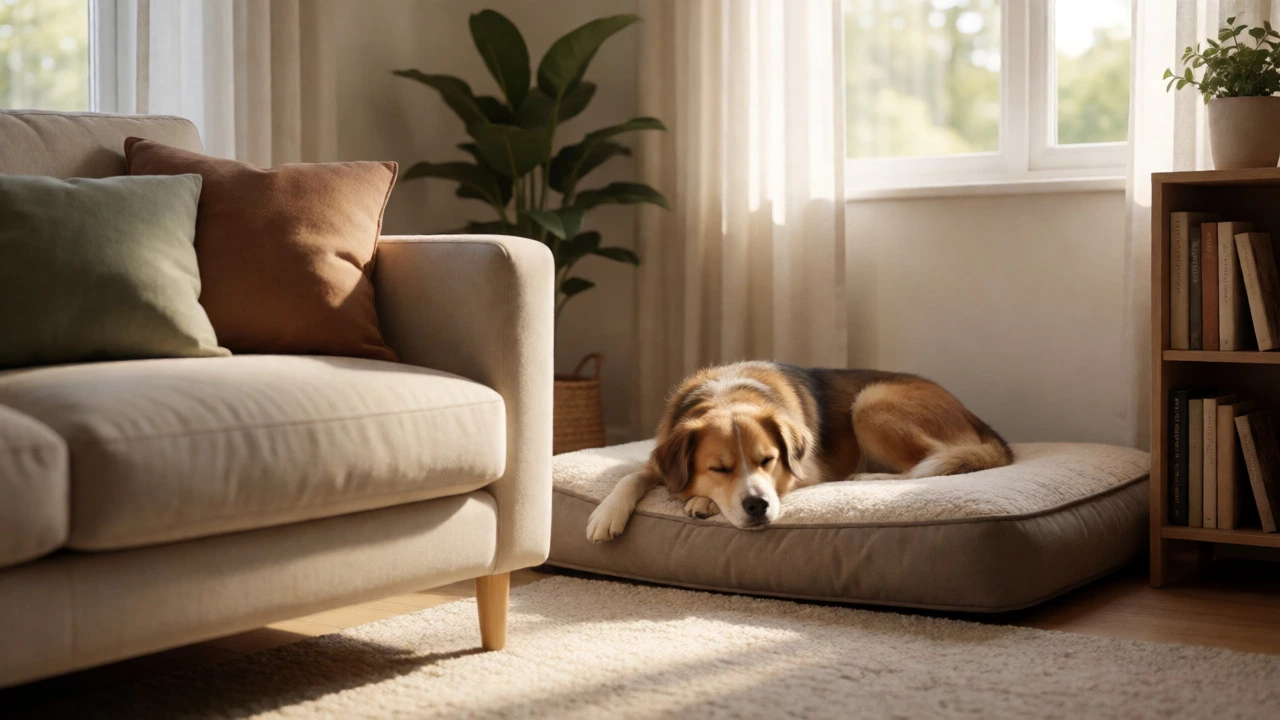
For most families, the living room is the heart of the home. Placing the dog bed here keeps your pet integrated into family life. This is ideal for dogs who suffer from separation anxiety because they can hear and smell their owners constantly. However, placement matters. Avoid putting the bed directly in front of the TV or in the main walking path between the sofa and the kitchen. Instead, look for a "dead zone"-a corner behind the sofa or beside a bookshelf. This creates a natural boundary that protects the dog’s back, satisfying their instinct to guard their rear while facing the room.
If you have young children, the living room is also practical. It allows you to supervise interactions easily. Just ensure the bed is raised slightly off the floor if possible, or use a rug underneath to prevent kids from tripping over the edges.
Location #2: The Bedroom Sanctuary
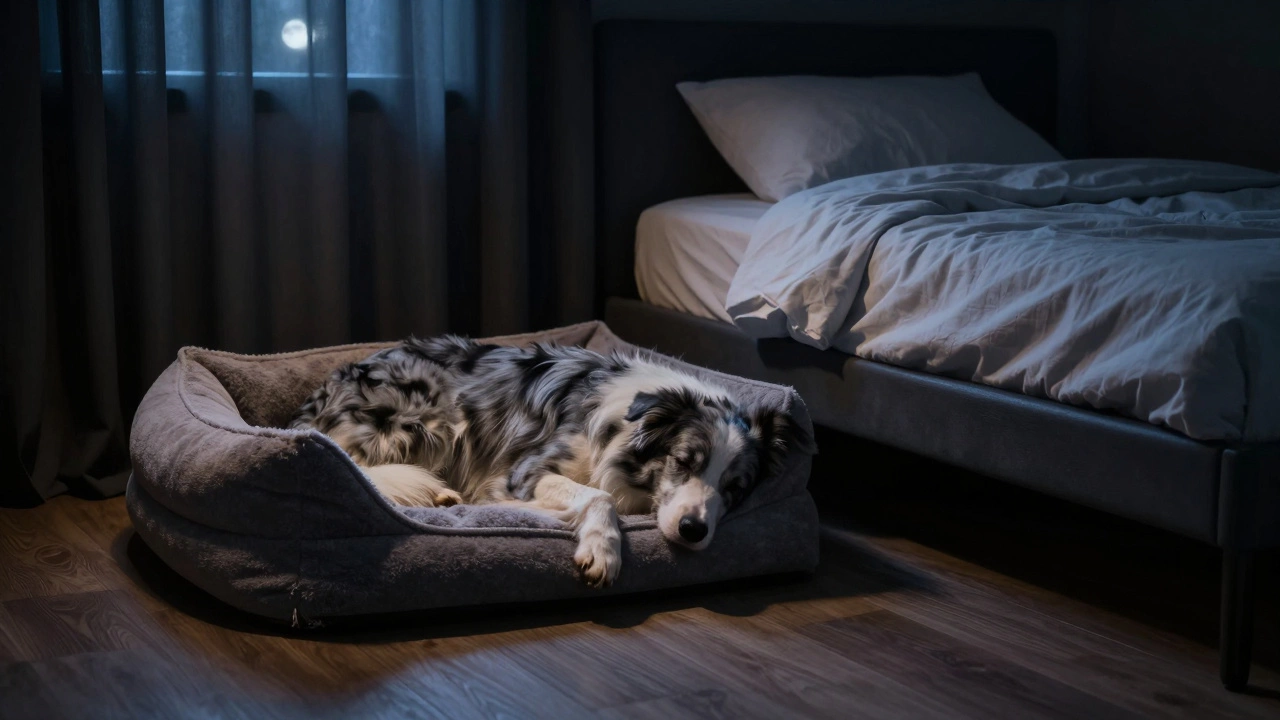
Many owners debate whether dogs should sleep in the bedroom. If your dog is crate-trained or prefers solitude, the bedroom offers quiet and darkness. This is often the best choice for light sleepers or dogs who are sensitive to daytime noise. Studies suggest that co-sleeping can lower cortisol levels in both humans and dogs, promoting deeper rest for everyone.
However, there’s a catch. If your dog has bladder issues or is a puppy, the bedroom might be risky due to accidents. Also, if you move around a lot at night, a large dog bed next to your bed might get kicked or shifted. If you go this route, place the bed on the opposite side of the room from the window to avoid early morning sunlight waking them up prematurely.
Location #3: The Kitchen or Dining Area
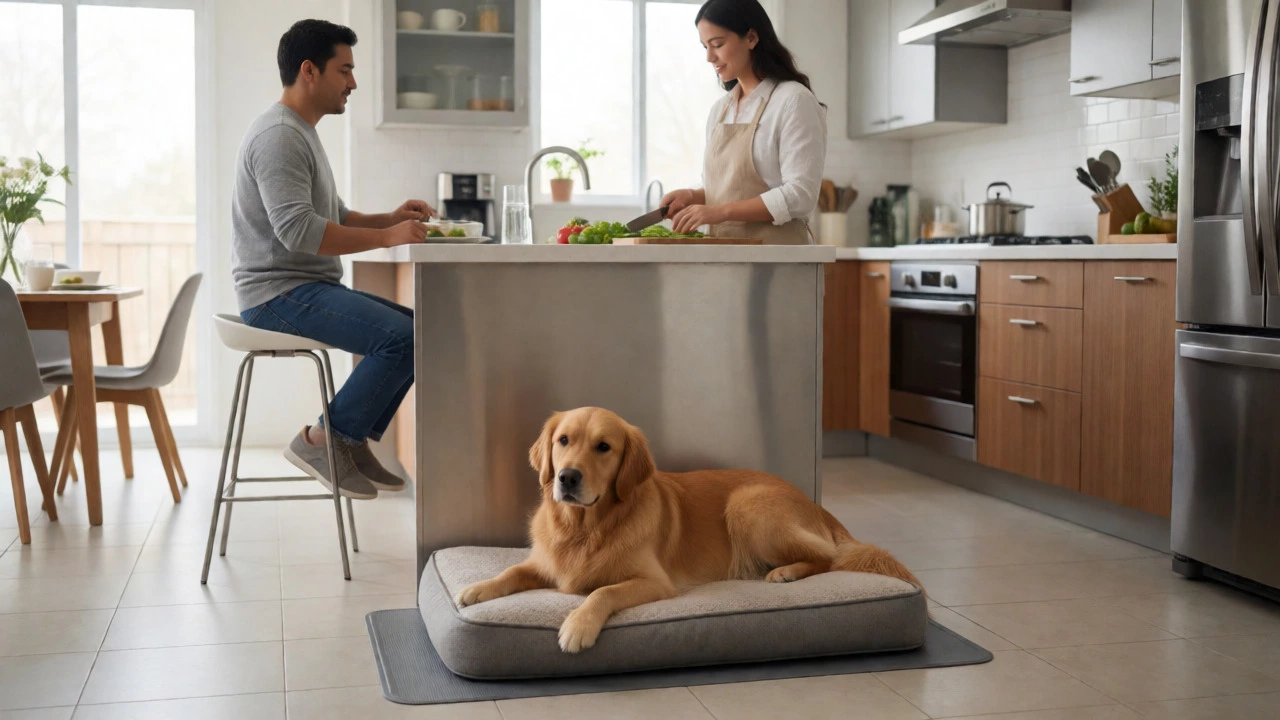
Surprisingly, many dogs love the kitchen. Why? Because food happens there. Even if you don’t feed them immediately, the scent of cooking lingers, making it a stimulating environment. For working-from-home owners, placing a bed near the kitchen island or dining table allows the dog to stay close while you work. It’s a great compromise for dogs who need to be nearby but shouldn’t be underfoot.
The downside? Floors in kitchens are often hard surfaces like tile or laminate, which can be cold and hard on joints. If you choose this spot, invest in a thick orthopedic mattress or add a layer of insulation underneath. Also, be mindful of cleanliness; crumbs and spills can attract pests if the bed is left on the floor for too long.
Location #4: The Entryway or Hallway
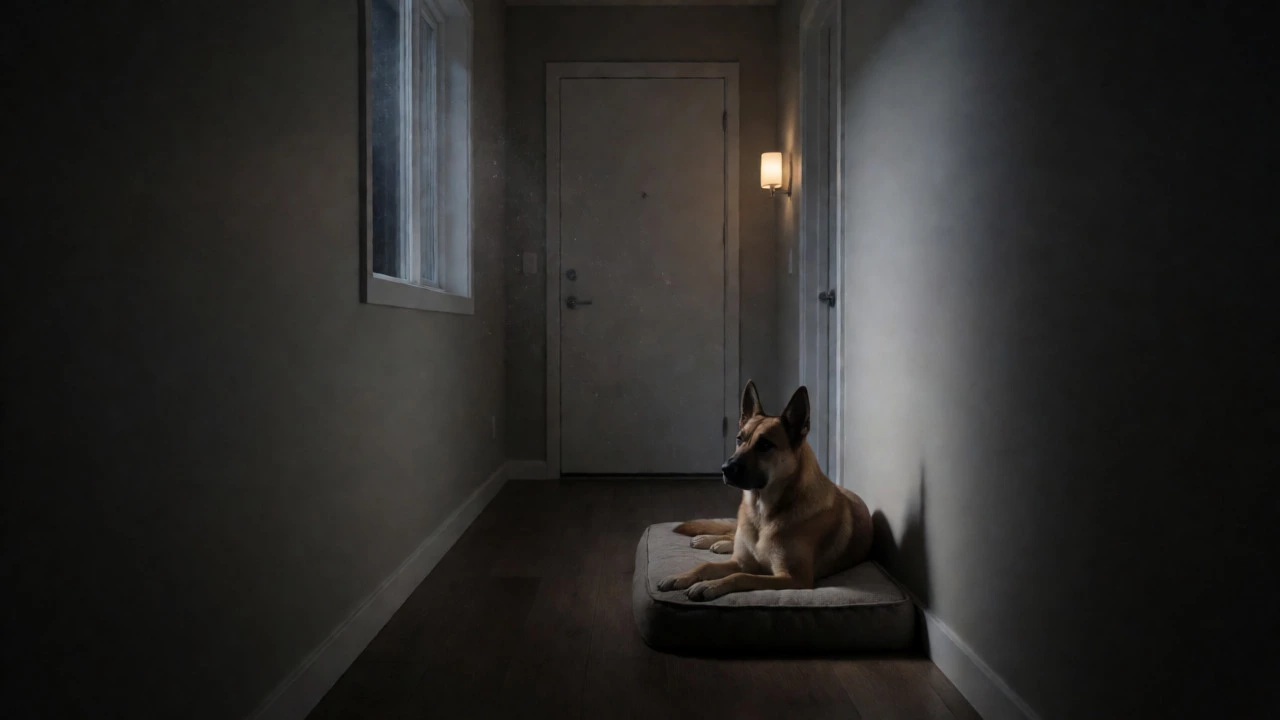
Is your dog a self-appointed security guard? Do they rush to the door whenever someone arrives? These dogs often prefer spots where they can monitor entrances. A hallway near the front door or a landing at the top of the stairs works well. It gives them a sense of purpose and control over their domain.
Be careful with drafts here. Hallways can act as wind tunnels in older houses, especially in the UK autumn and winter. Use a draft excluder or place the bed against an interior wall rather than an exterior one. Also, ensure the bed doesn’t block emergency exits or create a trip hazard for guests carrying groceries.
Factors That Disrupt Sleep Quality
Even if you pick the right room, small details can ruin the experience. Temperature regulation is huge. Dogs regulate body heat differently than humans. Short-nosed breeds like Pugs or Bulldogs struggle with heat, so keep their beds away from radiators or sunny windowsills. Long-haired breeds or those from colder climates, like Huskies, might appreciate a warmer spot but still need ventilation to prevent overheating.
Noise sensitivity is another major factor. If your dog flinches at thunderstorms or fireworks, consider a basement or an interior bathroom with no windows. These rooms tend to be quieter and more insulated. Conversely, if your dog loves watching birds, a spot near a window with a view might be worth the slight increase in ambient street noise.
How to Transition Your Dog to a New Spot
You’ve picked the perfect location, but your dog ignores it. Don’t force them. Start by moving the bed gradually. If they currently sleep on your sofa, place the new bed right next to it. Once they start using it, move it a few inches closer to the desired spot each day. Use positive reinforcement: toss a treat onto the bed when they step on it voluntarily.
Cleanliness plays a role too. Dogs have a keen sense of smell. If the new bed smells like plastic or packaging, wash the cover first. Adding an unwashed t-shirt of yours to the bed can provide a familiar scent, bridging the gap between their old spot and the new one.
Special Considerations for Multi-Pet Homes
If you have multiple dogs, one bed rarely suffices. Competition for prime real estate can lead to tension. Create separate zones for each dog to reduce resource guarding. For example, give the dominant dog the living room spot and the subordinate dog the bedroom or office. Ensure each bed is far enough apart that they don’t feel crowded, but close enough that they can still communicate visually if they are bonded.
Cats often claim the highest points, like shelves or cat trees, while dogs prefer ground-level security. If you have both, try to avoid placing the dog bed directly beneath a cat tree to prevent fur rain or accidental jumps onto the dog’s head.
Should I let my dog sleep on my bed instead of a dog bed?
This depends entirely on your lifestyle and your dog's behavior. If your dog is well-trained, doesn't snore loudly, and doesn't disrupt your sleep cycles, sharing the bed can strengthen your bond. However, if you have allergies, limited space, or a dog with behavioral issues like resource guarding, a dedicated dog bed is usually a better choice for long-term harmony.
Is it bad to put a dog bed in the kitchen?
Not necessarily, but it comes with risks. Kitchens are high-traffic areas with hard floors that can be cold and noisy. There's also the risk of hygiene issues from food prep. If you do place the bed there, use a waterproof, easy-to-clean mat underneath and ensure the bed isn't in the direct path of hot appliances or sharp knives being washed.
How do I know if my dog likes the new bed location?
Watch for signs of relaxation: sighing, circling before lying down, and staying still for extended periods. If your dog consistently returns to the bed after being disturbed, or chooses it over other furniture, it's a good sign. If they pant excessively, whine, or leave within minutes, the spot may be too hot, too noisy, or too isolating.
Can I move the dog bed around the house?
Yes, and sometimes you should. As seasons change, you might want to move the bed away from a sunny window in summer or closer to a heat source in winter. However, frequent drastic changes can confuse some dogs. Make moves gradually and observe how your dog reacts. Stability is generally preferred, but flexibility helps accommodate changing environmental factors.
What if my dog refuses to use the bed altogether?
First, check the bed itself. Is it too soft, too firm, or does it have an unpleasant chemical smell? Try removing any pillows or accessories initially. Second, evaluate the location. Move it to a different room for a few days. Finally, consider health issues; pain from arthritis or dental problems might make lying down uncomfortable regardless of location. If the refusal persists, consult your vet.